In the realm of industrial automation, proximity switches and cylindrical sensors stand as fundamental components, enabling precise, non-contact detection essential for modern manufacturing and control systems. These devices are engineered to detect the presence or absence of objects without physical contact, thereby minimizing wear and tear, enhancing reliability, and ensuring high-speed operation in demanding environments.
Proximity switches, often referred to as proximity sensors, operate based on various principles, with inductive, capacitive, and magnetic types being the most prevalent. Inductive proximity switches are particularly common in industrial settings, utilizing an electromagnetic field to detect metallic objects. When a metal target enters the sensor's field, it induces eddy currents, causing a change in oscillation amplitude that triggers a switching signal. This makes them ideal for applications involving ferrous and non-ferrous metals, such as in conveyor systems, machine tools, and robotic arms. Capacitive proximity switches, on the other hand, can detect both metallic and non-metallic materials—including liquids, plastics, and wood—by sensing changes in capacitance when an object enters their electrostatic field. They are frequently used in level detection, material handling, and packaging industries. Magnetic proximity switches rely on reed switches or Hall effect sensors to detect permanent magnets, offering robust performance in harsh conditions like those found in automotive or heavy machinery applications.
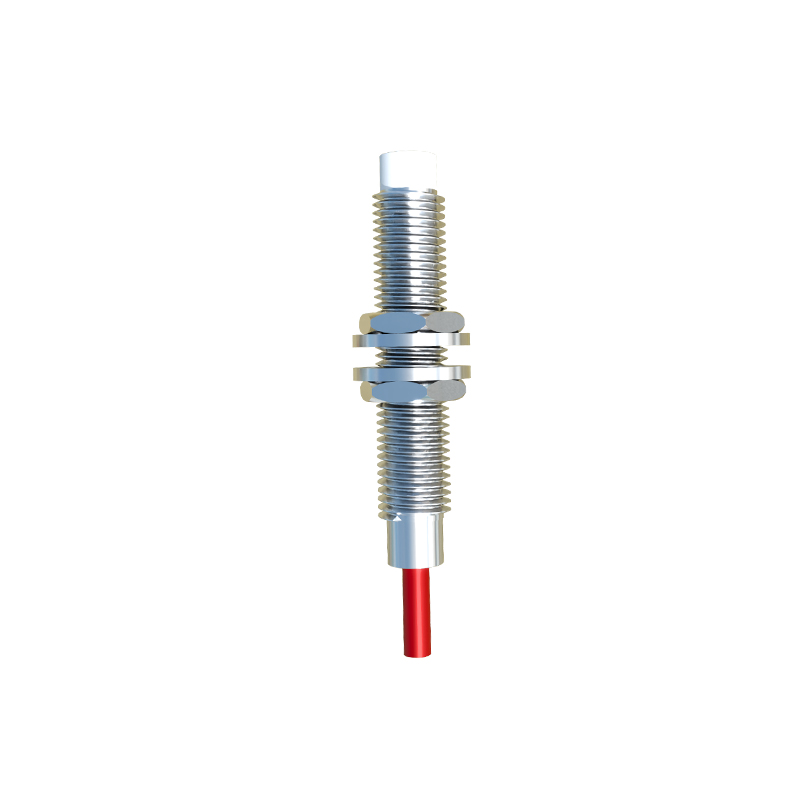
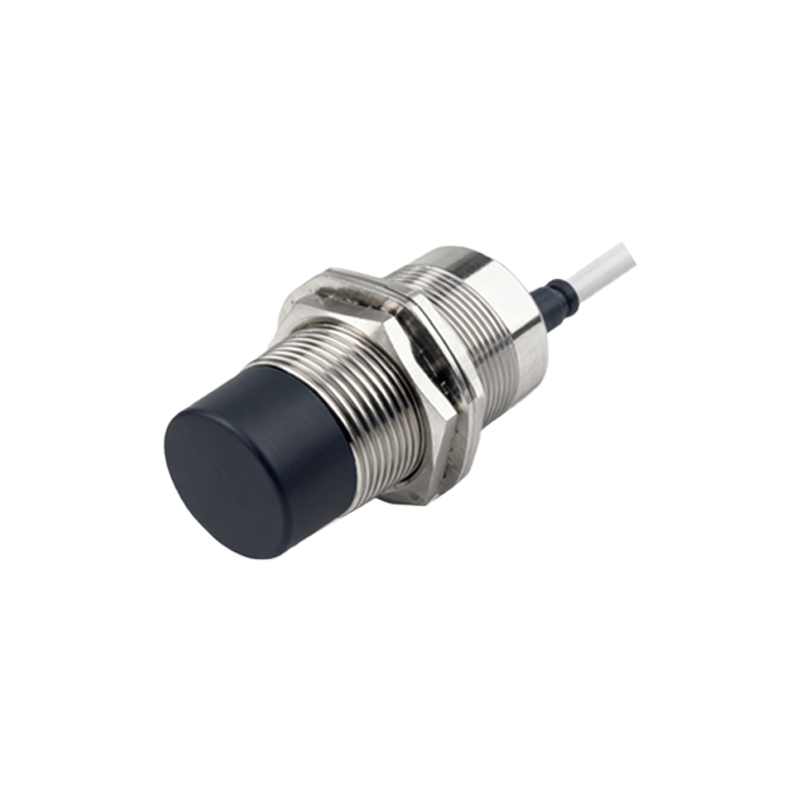
Cylindrical sensors, a subset of proximity switches, are characterized by their rugged, cylindrical housing, typically made of stainless steel or nickel-plated brass, providing excellent resistance to mechanical stress, chemicals, and environmental factors. Their compact design allows for easy installation in tight spaces, often via threaded mounting holes that ensure secure placement. These sensors are available in various sizes, with common diameters ranging from M4 to M30, catering to diverse application needs. The cylindrical form factor not only enhances durability but also facilitates standardized integration into industrial machinery, making them a staple in assembly lines, CNC machines, and pneumatic systems.
The selection between different types of proximity switches and cylindrical sensors depends on factors such as sensing range, material composition of the target, environmental conditions, and output requirements. For instance, inductive cylindrical sensors with short sensing ranges (e.g., 1-5 mm) are preferred for precise positioning of metal components, while capacitive variants might be chosen for detecting granular materials in silos. Output options typically include NPN or PNP transistor configurations, analog signals, or IO-Link communication, enabling seamless connectivity with PLCs (Programmable Logic Controllers) and other control units.
In practice, these sensors contribute significantly to efficiency and safety. They enable automated counting, positioning, and inspection tasks, reducing manual intervention and minimizing errors. In safety-critical applications, such as guarding hazardous machinery, proximity switches can serve as interlock devices, ensuring equipment operates only when conditions are safe. Regular maintenance, including checks for contamination, alignment, and electrical connections, is vital to sustain optimal performance, especially in dusty, humid, or high-temperature settings.
Advancements in technology continue to refine proximity switches and cylindrical sensors, with trends toward miniaturization, enhanced sensing distances, and smart features like diagnostic capabilities. As Industry 4.0 evolves, these components are increasingly integrated into IoT (Internet of Things) networks, providing real-time data for predictive maintenance and process optimization. For engineers and technicians, understanding their operational principles and application nuances is key to leveraging their full potential in driving industrial innovation.
Overall, proximity switches and cylindrical sensors are indispensable in automation, offering versatile, reliable solutions for object detection. Their ability to function without contact ensures longevity and precision, making them a cornerstone of modern industrial systems. By selecting the appropriate type and configuration, businesses can achieve higher productivity, improved quality control, and reduced downtime, ultimately fostering a more resilient and efficient manufacturing landscape.
