Magnetic proximity sensors are integral components in modern gate systems, offering reliable and non-contact detection capabilities. These sensors operate based on the principle of detecting changes in a magnetic field, typically using Hall effect or magnetoresistive technologies. In gate applications, they are commonly employed to monitor the position of gates, doors, or barriers, ensuring smooth and safe operation.
The core functionality of a magnetic proximity sensor involves a magnet and a sensor unit. The magnet is attached to the moving part of the gate, such as the door leaf, while the sensor is fixed on the stationary frame. As the gate moves, the magnet approaches or moves away from the sensor, triggering a signal that indicates the gate's position. This signal is then processed by a control system to manage operations like opening, closing, or locking the gate. One key advantage of magnetic sensors is their ability to work in harsh environments. They are resistant to dust, moisture, and temperature variations, making them suitable for outdoor installations in gates used in parking lots, industrial facilities, or public transportation systems. Unlike mechanical switches, magnetic sensors have no physical contact, reducing wear and tear and minimizing maintenance needs. This leads to longer service life and higher reliability, which are critical for high-traffic areas where gates are frequently operated.
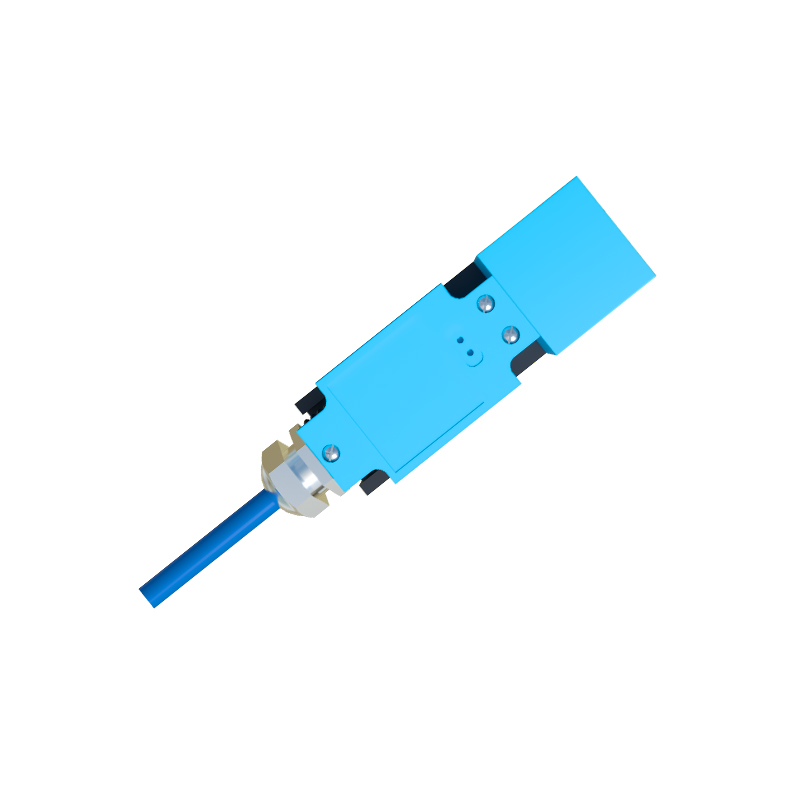
In terms of design, magnetic proximity sensors come in various forms, including reed switches and solid-state sensors. Reed switches consist of two ferromagnetic blades sealed in a glass tube, which close or open in response to a magnetic field. They are cost-effective and simple but may have limitations in speed and durability. Solid-state sensors, such as Hall effect sensors, use semiconductor technology to detect magnetic fields, offering faster response times and better resistance to shock and vibration. These are often preferred in advanced gate systems that require precise control and integration with digital networks.
Installation and calibration are straightforward for magnetic sensors. Proper alignment between the magnet and sensor is essential to ensure accurate detection. Most sensors include indicators, such as LEDs, to signal when the magnet is within range, simplifying setup. Additionally, many models feature adjustable sensitivity, allowing engineers to fine-tune performance based on specific gate configurations. This flexibility makes magnetic sensors adaptable to diverse applications, from sliding gates in residential complexes to swing gates in commercial buildings.
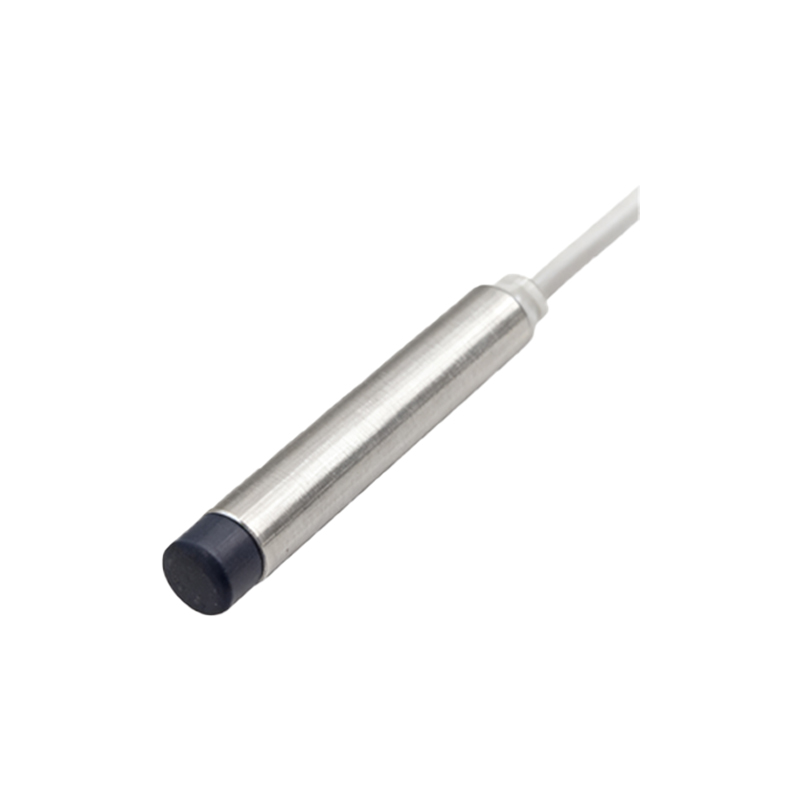
Safety is a paramount concern in gate systems, and magnetic proximity sensors contribute significantly to this aspect. They can be used to implement safety features like obstacle detection or emergency stop functions. For instance, if a sensor detects an unexpected position during gate movement, it can send a signal to halt operation, preventing accidents or damage. In automated gates, sensors often work in tandem with other devices, such as photocells or pressure sensors, to create a comprehensive safety system that complies with industry standards and regulations.
Energy efficiency is another benefit of magnetic sensors. They typically consume low power, especially in standby modes, which is advantageous for battery-operated or solar-powered gate systems. This aligns with growing trends toward sustainable and smart infrastructure, where sensors play a role in optimizing energy use. Moreover, magnetic sensors can be integrated into IoT (Internet of Things) platforms, enabling remote monitoring and diagnostics. Engineers can access real-time data on gate performance, predict maintenance issues, and enhance overall system efficiency through connected networks.
Despite their advantages, magnetic proximity sensors have some limitations. They may be affected by strong external magnetic fields from nearby equipment, which can cause false triggers or reduced sensitivity. To mitigate this, shielding or careful placement is recommended during installation. Additionally, extreme temperatures or corrosive environments might impact certain sensor types, so selecting models with appropriate IP (Ingress Protection) ratings is crucial for long-term reliability.
In summary, magnetic proximity sensors are vital for the functionality and safety of gate systems. Their non-contact operation, durability, and adaptability make them a preferred choice in various settings. As technology advances, these sensors are evolving with features like wireless connectivity and enhanced precision, further improving gate automation. For engineers and installers, understanding the principles and applications of magnetic sensors is key to designing effective and reliable gate solutions that meet modern demands for security, efficiency, and convenience.