In the realm of industrial automation, proximity sensors serve as critical components for detecting the presence or absence of objects without physical contact. Acquiring data from these sensors efficiently is paramount for ensuring seamless operations, enhancing safety, and optimizing productivity. This article delves into the methodologies, best practices, and common challenges associated with data acquisition from proximity sensors, tailored for electrical engineers and automation professionals.
Proximity sensors, including inductive, capacitive, ultrasonic, and photoelectric types, generate signals based on the detection of metallic or non-metallic objects within their sensing range. The data acquisition process begins with the sensor's output, which is typically a digital signal (e.g., PNP or NPN transistor output) or an analog signal (e.g., 4-20 mA or 0-10 V). For digital sensors, the output is straightforward: a high or low voltage indicates the presence or absence of an object. Analog sensors, however, provide a continuous signal proportional to the distance or other parameters, requiring more sophisticated handling.
To acquire data, the sensor must be integrated into a control system, such as a Programmable Logic Controller (PLC), Distributed Control System (DCS), or a data acquisition (DAQ) device. The first step involves proper wiring and power supply, adhering to manufacturer specifications to avoid signal interference or damage. For instance, inductive sensors often require a DC power source, and shielding cables may be necessary in environments with electromagnetic interference (EMI).
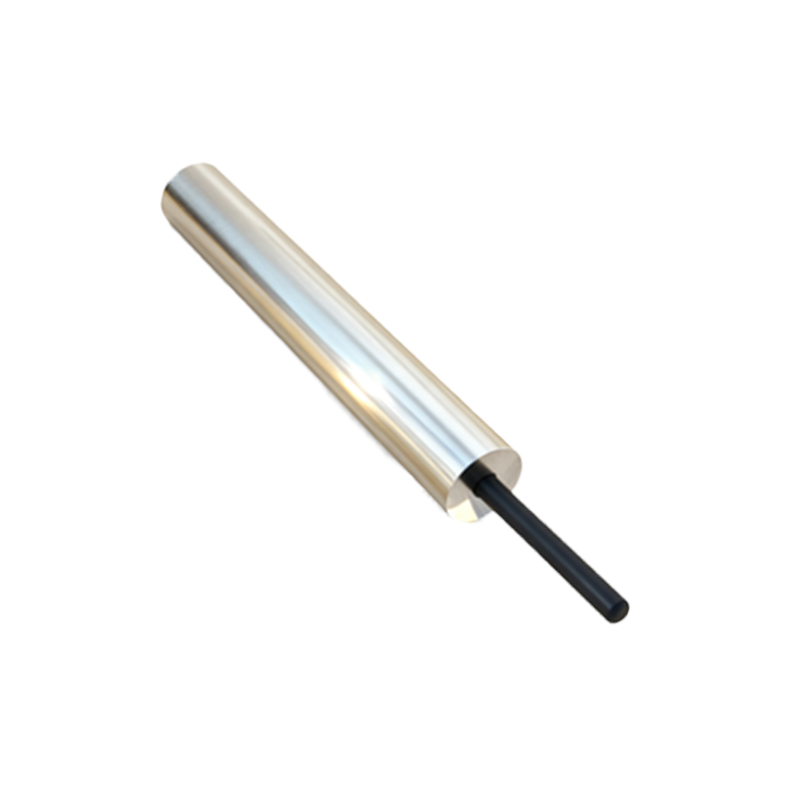
Once connected, the control system reads the sensor signals through input modules. For digital sensors, this involves monitoring the state of the input channel. In PLC programming, ladder logic or structured text can be used to trigger actions based on sensor inputs, such as activating a conveyor belt or stopping a motor. Analog sensors require analog input modules that convert the continuous signal into a digital value for processing. Calibration is crucial here; engineers must map the analog range (e.g., 4-20 mA) to the corresponding physical units (e.g., millimeters of distance) using scaling functions in the control software.
Data acquisition from proximity sensors also involves real-time monitoring and logging. Modern industrial networks, such as Ethernet/IP, Profinet, or Modbus TCP, enable seamless communication between sensors and higher-level systems like Supervisory Control and Data Acquisition (SCADA) or Manufacturing Execution Systems (MES). These systems can collect, visualize, and analyze sensor data to track performance, predict maintenance needs, and generate reports. For example, a photoelectric sensor monitoring product count on an assembly line can feed data into a SCADA dashboard, providing operators with instant insights into production rates.
However, challenges may arise during data acquisition. Environmental factors like temperature fluctuations, humidity, or dust can affect sensor accuracy, leading to false readings. Regular maintenance and calibration are essential to mitigate these issues. Additionally, signal noise from nearby machinery can corrupt data; using filters in the control system or opting for sensors with built-in noise immunity can help. Another common pitfall is improper sensor placement, which may cause missed detections or interference. Engineers should conduct thorough testing during installation, adjusting the sensor's position and sensitivity as needed.
Advanced techniques, such as using smart sensors with integrated diagnostics, are gaining traction in Industry 4.0 applications. These sensors can communicate not only detection data but also health status, such as temperature warnings or contamination alerts, via IO-Link or other digital protocols. This enhances predictive maintenance and reduces downtime. Furthermore, integrating proximity sensor data with machine learning algorithms can enable predictive analytics, such as forecasting equipment failures based on vibration patterns detected by ultrasonic sensors.
In summary, acquiring data from proximity sensors involves a blend of hardware integration, software configuration, and ongoing optimization. By following best practices—such as proper installation, calibration, and noise reduction—engineers can ensure reliable data flow, supporting efficient and safe industrial automation. As technology evolves, leveraging smart sensors and networked systems will further enhance data acquisition capabilities, driving innovation in the electrical and automation sectors.