In the intricate world of industrial automation and machinery, precision, reliability, and safety are paramount. Among the myriad of components enabling this precision, the paper proximity sensor stands out as a critical, yet often understated, element. This article delves into the fundamentals of what a paper proximity sensor is, its operating principles, key applications, and essential considerations for selection and integration.
At its core, a paper proximity sensor is a specialized type of non-contact sensor designed to detect the presence, absence, or position of paper, cardboard, or similar sheet materials. Unlike generic proximity sensors that may detect metals or various objects, these sensors are finely tuned to respond to the specific dielectric, reflective, or physical properties of paper substrates. Their primary function is to provide a reliable electrical signal when paper enters or leaves a predefined sensing zone, without making physical contact with the material. This non-contact nature is crucial as it prevents marking, tearing, or disturbing the delicate paper web or sheets during high-speed operations.
The working principle of paper proximity sensors typically falls into two main categories: capacitive and optical (often diffuse reflective). Capacitive proximity sensors operate by generating an electrostatic field. When a paper sheet, which has a different dielectric constant than air, enters this field, it causes a detectable change in the sensor's internal oscillation circuit, triggering an output signal. These sensors are excellent for detecting paper regardless of color, transparency, or surface finish, and can even sense through certain non-metallic materials. Optical sensors, on the other hand, emit a beam of light (usually infrared or red LED) and detect the reflection from the paper's surface. The intensity of the reflected light changes when paper is present, prompting the sensor to switch its output state. Optical types are highly sensitive and can be used for very precise edge detection or for distinguishing between different paper grades based on reflectivity.
The applications for paper proximity sensors are vast and integral to numerous industries. In printing presses, they are indispensable for detecting paper jams, monitoring paper feed, and ensuring accurate sheet registration. In packaging machinery, these sensors verify the presence of cardboard blanks, count sheets, and control the insertion of leaflets or instructions. Converting equipment, such as slitters, rewinders, and sheeters, relies on them for web break detection and edge guiding systems to maintain material alignment. Furthermore, in office automation equipment like high-speed copiers and printers, paper proximity sensors ensure smooth paper path operation and prevent misfeeds. Their role extends to pulp and paper manufacturing plants, where they monitor the paper web on production lines.
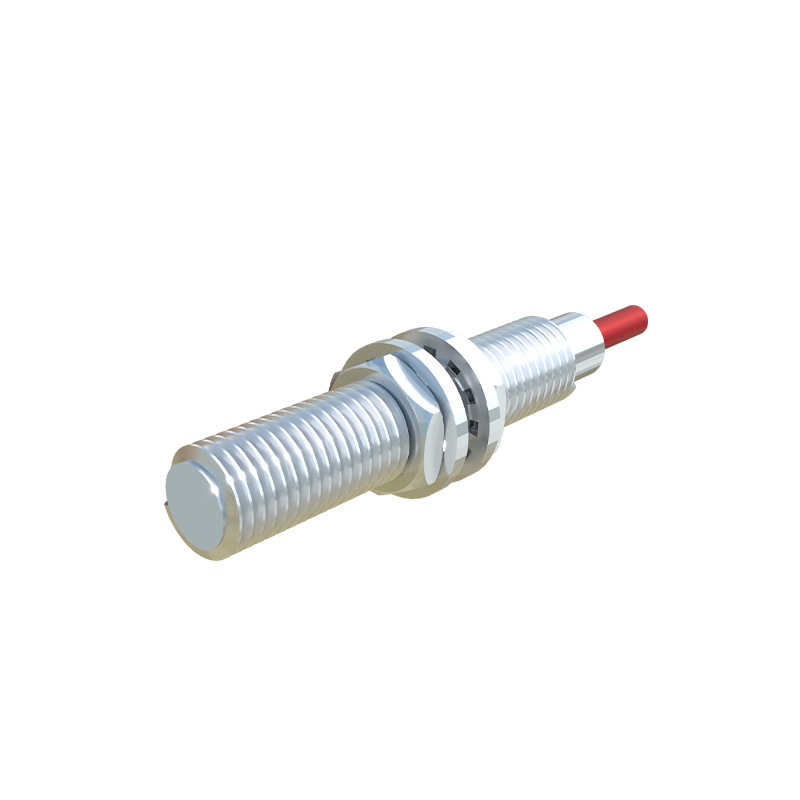
Selecting the right paper proximity sensor requires careful analysis of several parameters. First, the sensing range must be appropriate for the application's mechanical setup. Environmental factors are critical; sensors used in paper dust-heavy environments, like near cutters or shredders, must have high ingress protection (IP) ratings. The response time must be fast enough to keep up with line speeds, which can exceed thousands of feet per minute. For optical sensors, the paper's color and surface gloss can affect performance, potentially necessitating sensors with background suppression or adjustable sensitivity. Capacitive sensors may require calibration to ignore background objects like conveyor belts. Output type (PNP/NPN, analog, IO-Link) must be compatible with the control system. Finally, physical form factor—cylindrical, rectangular, or slot-style—is chosen based on mounting constraints.
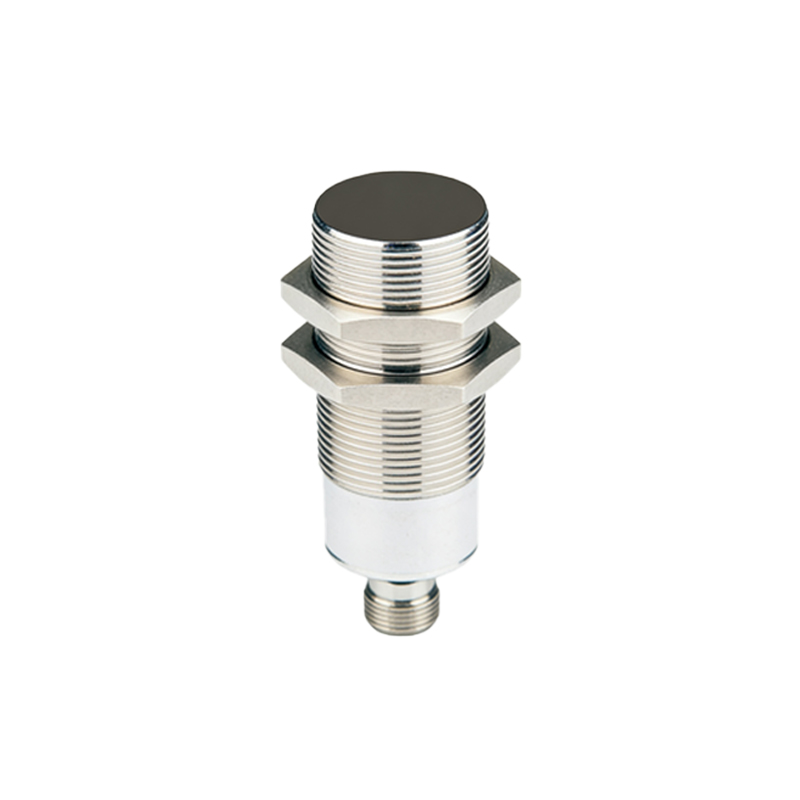
Installation and maintenance are straightforward but vital for longevity. Proper alignment relative to the paper path is essential to avoid false triggers. Regular cleaning of the sensor face, especially for optical types, prevents dust and debris from impairing function. In harsh environments, protective housings or air blow-off devices may be employed. Modern sensors often feature diagnostic LEDs and teach-in functions for easy setup and troubleshooting.
In conclusion, the paper proximity sensor is a sophisticated, purpose-built component that plays a silent yet vital role in ensuring the efficiency, quality, and safety of paper handling processes across multiple sectors. By understanding its principles and carefully matching sensor capabilities to application demands, engineers and technicians can optimize system performance, minimize downtime, and achieve new levels of operational precision in an industry where the thinness of a sheet belies the complexity of its automated journey.