Proximity sensors are critical components in modern industrial automation, providing non-contact detection of metallic and non-metallic objects. However, like any electronic device, they are susceptible to various failures that can disrupt production lines and cause costly downtime. This article outlines common proximity sensor issues and provides practical solutions for maintenance engineers and technicians.
One of the most frequent problems encountered is false triggering or failure to detect objects. This can stem from environmental factors such as excessive dust, moisture, or metal chips accumulating on the sensor face. Regular cleaning of the sensing surface with appropriate solvents and compressed air can prevent this issue. Additionally, ensuring proper mounting distance according to the sensor's specifications is crucial—installing the sensor too close or too far from the target can lead to unreliable operation. Electrical interference is another common culprit, especially in facilities with numerous motors and variable frequency drives. To mitigate this, use shielded cables and separate sensor wiring from high-voltage power lines. Installing ferrite cores on cables near interference sources can also reduce noise.
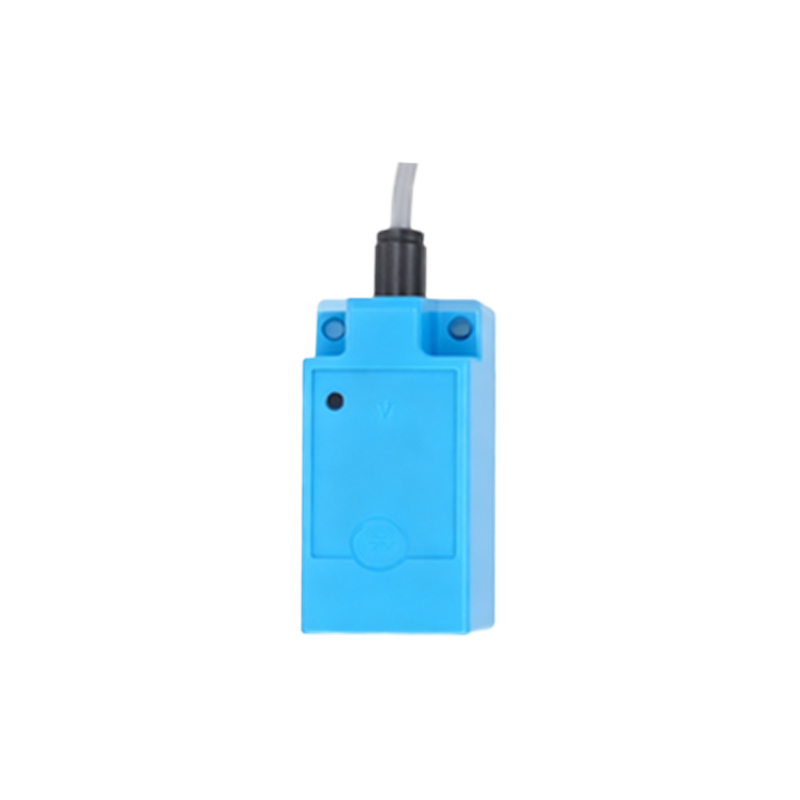
Sensor output failures often relate to wiring problems or power supply issues. Always verify that the power voltage matches the sensor's requirements, typically ranging from 10-30V DC for most industrial models. Check for loose connections, corroded terminals, or damaged cables. Using a multimeter, measure the voltage at the sensor terminals during operation to confirm stable power delivery. For three-wire sensors, ensure correct wiring of the brown (positive), blue (negative), and black (output) wires according to the manufacturer's diagram. If the sensor outputs a signal when it shouldn't, or fails to output when it should, consider testing with a known good sensor to isolate the fault.
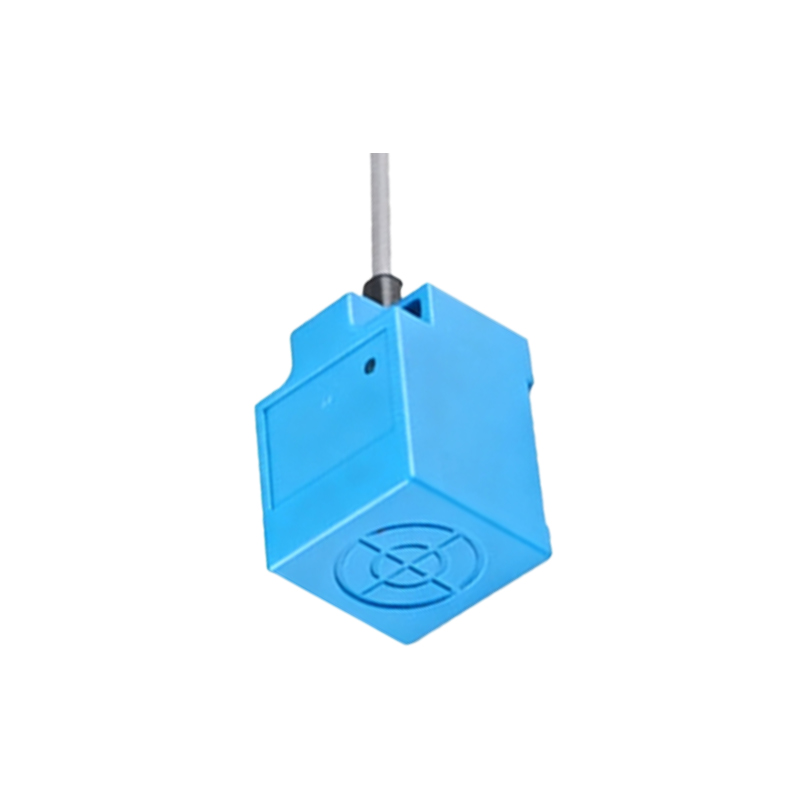
Temperature extremes can severely impact sensor performance. High temperatures may cause internal components to degrade, while low temperatures can affect response times. Select sensors with appropriate temperature ratings for your environment—many industrial models operate between -25°C to 70°C. In extreme conditions, consider installing protective housings or cooling/heating systems. Additionally, avoid mounting sensors near heat sources like motors or ovens unless they are specifically designed for such environments.
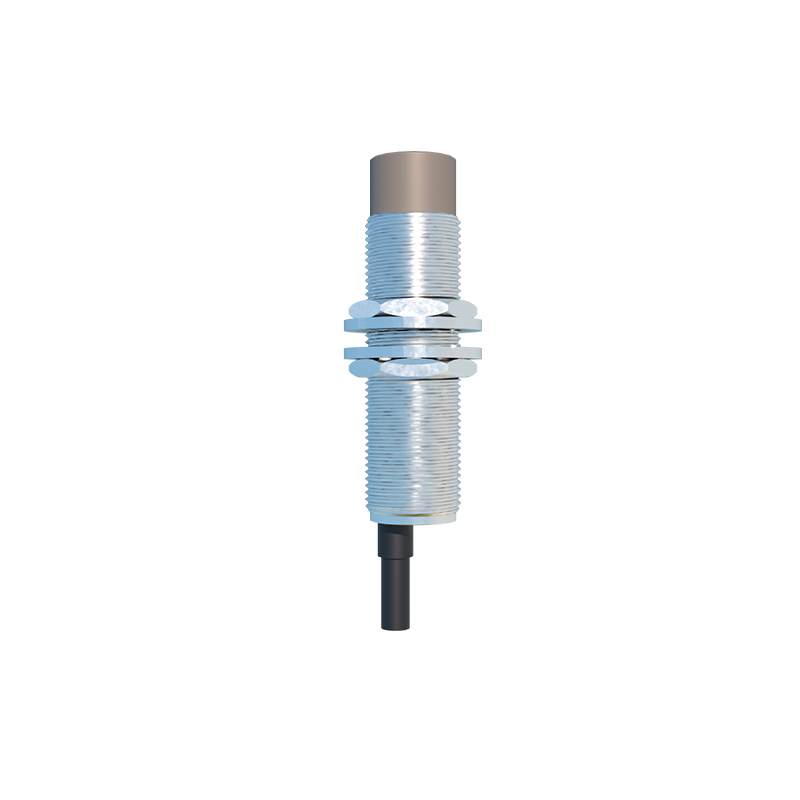
Mechanical damage, such as cracked housings or bent sensing faces, often results from physical impact or vibration. Use robust mounting brackets and anti-vibration pads in high-shock applications. Regularly inspect sensors for signs of wear, and replace any with visible damage immediately. For applications with heavy machinery, consider using sensors with metal housings instead of plastic for enhanced durability.
Calibration drift over time is another issue, particularly for analog or adjustable sensors. Periodically verify detection distances using calibration targets. If a sensor consistently reads inaccurately, recalibrate it according to the manufacturer's instructions or replace it if calibration fails. Keep records of calibration dates and results for preventive maintenance scheduling.
When troubleshooting, follow a systematic approach: first, visually inspect the sensor and its environment; second, check electrical connections and power supply; third, test with a known good target object; fourth, verify output signals with a multimeter or oscilloscope; finally, consult the sensor's manual for error codes or diagnostic indicators. Many modern sensors have LED status lights that flash specific patterns to indicate faults—documenting these patterns can expedite future repairs.
Preventive maintenance is key to minimizing failures. Establish a routine schedule that includes cleaning, inspection, and functional testing. Keep spare sensors on hand for critical applications to reduce downtime. Train personnel on proper handling and installation techniques, emphasizing the importance of following manufacturer guidelines.
In summary, proximity sensor reliability depends on correct selection, installation, and maintenance. By understanding common failure modes and implementing these solutions, industrial facilities can maintain optimal sensor performance and ensure smooth automation processes.