In modern industrial environments, particularly within hazardous locations such as oil refineries, chemical plants, and mining operations, safety and precision are paramount. Laser explosion-proof sensors have emerged as critical components, designed to operate reliably in areas where flammable gases, vapors, or dust may be present. These sensors combine advanced laser technology with robust explosion-proof enclosures, ensuring both accurate measurements and compliance with stringent safety standards. One of the standout features is their high-precision measurement capability. Utilizing laser beams, these sensors can detect minute changes in distance, position, or presence of objects with exceptional accuracy, often within micrometer ranges. This precision is vital for applications like level monitoring in tanks or alignment in conveyor systems, where even slight errors could lead to operational failures or safety incidents.
Another key characteristic is their inherent safety design. Explosion-proof sensors are constructed with housings that can contain any internal explosion, preventing it from igniting the surrounding atmosphere. Materials such as stainless steel or aluminum alloys are commonly used, providing durability against corrosion and mechanical impacts. Additionally, these sensors often feature intrinsic safety barriers, limiting electrical energy to levels insufficient to cause ignition. This dual protection—physical containment and energy limitation—makes them suitable for Zone 0, 1, and 2 hazardous areas as classified by standards like ATEX and IECEx.
Durability and resilience are also notable. Industrial settings expose equipment to extreme conditions, including temperature fluctuations, humidity, and vibrations. Laser explosion-proof sensors are engineered to withstand these challenges, with ingress protection ratings like IP67 or higher ensuring resistance to dust and water ingress. Their optical components are typically sealed and coated to maintain performance despite contamination or fogging. Moreover, many models offer self-diagnostic functions, alerting operators to potential issues like lens dirt or alignment drift, thereby reducing downtime and maintenance costs.
Integration flexibility further enhances their appeal. These sensors support various communication protocols, such as IO-Link, PROFIBUS, or Ethernet/IP, enabling seamless connectivity with programmable logic controllers and industrial networks. This allows for real-time data monitoring and adaptive control, essential for Industry 4.0 initiatives. Users can often adjust parameters like sensing range or response time via software interfaces, tailoring the sensors to specific tasks without physical modifications.
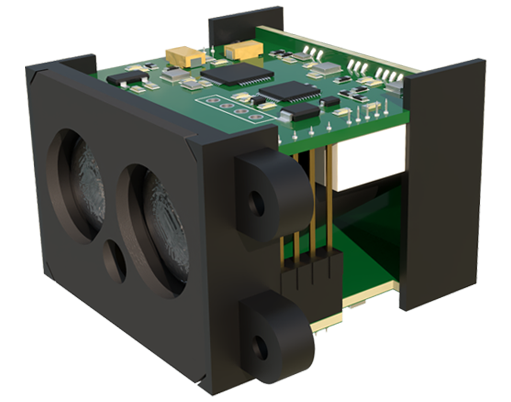
Energy efficiency is another advantage. Modern laser sensors consume minimal power while delivering high performance, contributing to lower operational expenses and environmental sustainability. Some advanced versions incorporate pulsed laser technology, which reduces heat generation and extends lifespan. This efficiency, coupled with long service intervals, makes them a cost-effective solution over time.
In summary, laser explosion-proof sensors offer a blend of precision, safety, durability, and smart functionality. They empower industries to enhance operational reliability while adhering to safety regulations, ultimately protecting both assets and personnel. As technology evolves, these sensors are likely to incorporate more AI-driven features, such as predictive analytics, further solidifying their role in hazardous industrial applications.
