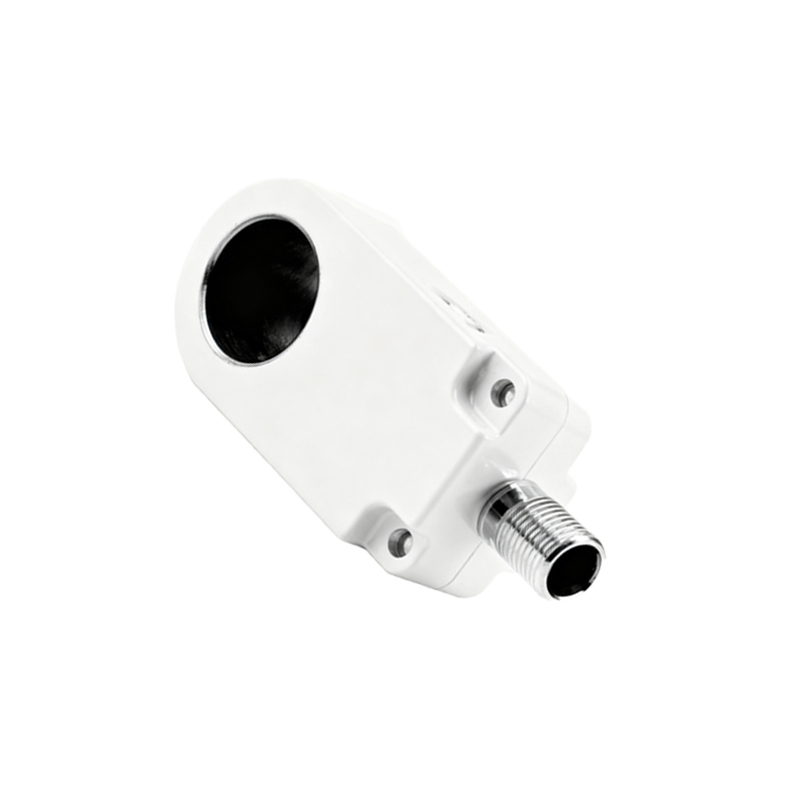
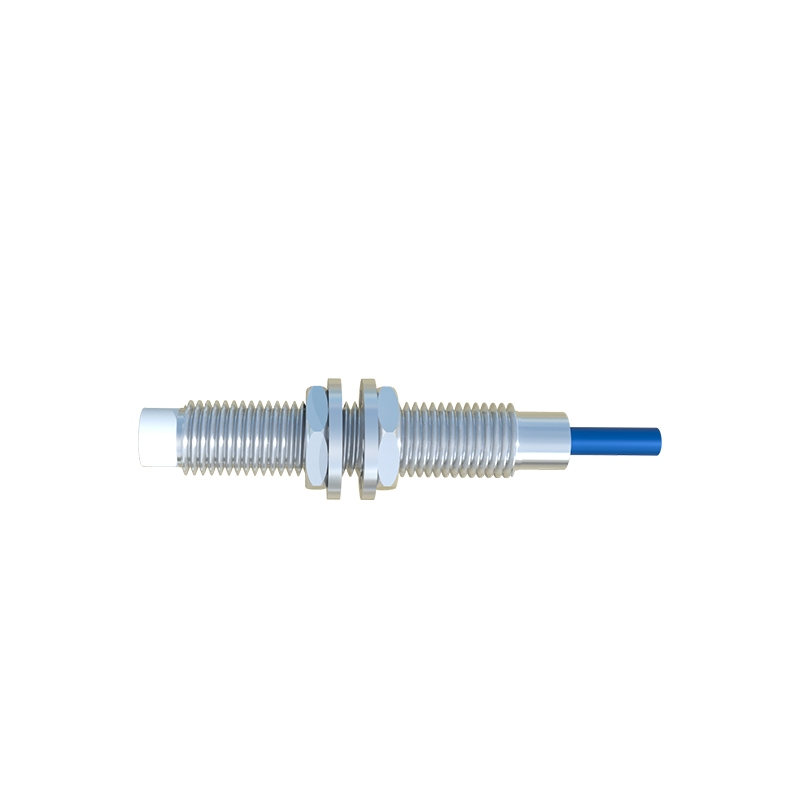
In the realm of industrial automation and machine safety, the question of sensor reliability is paramount. Proximity sensors and photoelectric sensors form the backbone of countless detection, positioning, and control tasks. But are they truly reliable? The answer is a resounding yes, but with critical nuances that every engineer and system designer must understand. Their "good performance" is not a matter of chance but a result of precise operating principles, rigorous design, and correct application.
Proximity sensors, primarily inductive and capacitive types, function without physical contact. Inductive sensors detect metallic objects through electromagnetic fields, while capacitive sensors respond to both metallic and non-metallic materials by sensing changes in capacitance. Their reliability stems from several inherent advantages. With no moving parts to wear out, they offer exceptional mechanical longevity. Sealed in robust housings (often IP67 or higher), they resist dust, moisture, and vibration common in industrial environments. They provide high switching frequencies and repeatability, crucial for precision counting and positioning. However, their reliability is application-dependent. An inductive sensor will fail to detect a plastic bottle, just as a capacitive sensor might be falsely triggered by environmental humidity or material composition changes. Selecting the correct sensing distance, material factor, and shielding type is non-negotiable for dependable operation.
Photoelectric sensors, utilizing light beams (visible, infrared, or laser), offer another dimension of versatility. They excel at long-range detection and can sense virtually any object regardless of material. Their reliability is anchored in advanced optical design and stable electronics. Modern models feature powerful background suppression, which ignores objects beyond a set distance, and robust filters to mitigate ambient light interference. Fiber optic versions allow sensing in extreme temperatures or tight spaces by separating the amplifier from the sensing head. The perceived weakness—obstruction of the light beam—is also their strength; any blockage is a definitive signal. Yet, their performance can be compromised by highly reflective or transparent targets, dirty lenses, or harsh environments with heavy fog or steam. Regular maintenance of the optical surface and careful alignment are essential for sustained reliability.
The true measure of "good performance" extends beyond the sensor unit itself to the entire system. Electrical compatibility is fundamental. Ensuring correct voltage supply (10-30V DC being industry standard), proper wiring (sourcing vs. sinking), and adequate protection against surge, short-circuit, and reverse polarity is critical. Environmental ratings must match the application's demands for temperature, chemical exposure, and mechanical stress. Furthermore, integrating these sensors with a Programmable Logic Controller (PLC) or other control systems requires attention to signal stability, noise immunity, and response time to prevent false triggers or missed signals.
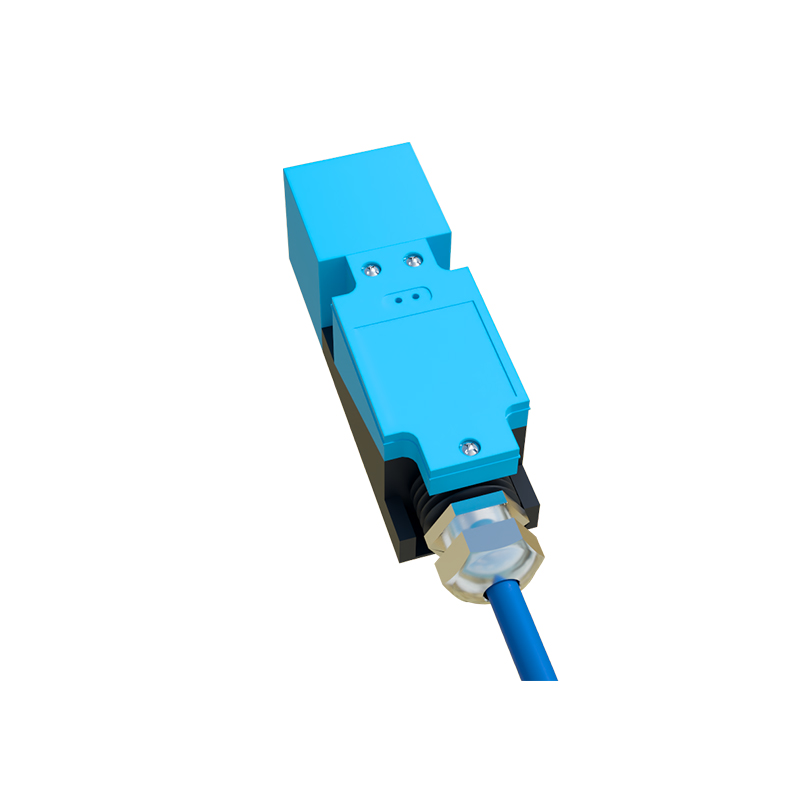
Diagnostic features in modern sensors significantly enhance operational reliability. Many proximity and photoelectric sensors now incorporate LED indicators for power, output status, and signal strength. Advanced models offer IO-Link communication, providing real-time data on device health, operating parameters, and even predictive maintenance alerts, such as lens contamination levels or declining signal strength. This shift from simple switching to smart sensing transforms reliability from a hope into a managed variable.
In conclusion, proximity and photoelectric sensors are exceptionally reliable components when applied correctly. Their "good" performance is a function of selecting the right technology for the target and environment, installing them according to specifications, and integrating them into a well-designed electrical system. There is no universal "best" sensor; there is only the most appropriate and reliably applied one for a given task. For engineers, the focus should be on meticulous planning, selection from reputable manufacturers adhering to international standards (e.g., IEC 60947-5-2), and systematic validation under real operating conditions. When these steps are followed, these sensors prove to be not just good, but indispensable and highly dependable workhorses of modern industry.