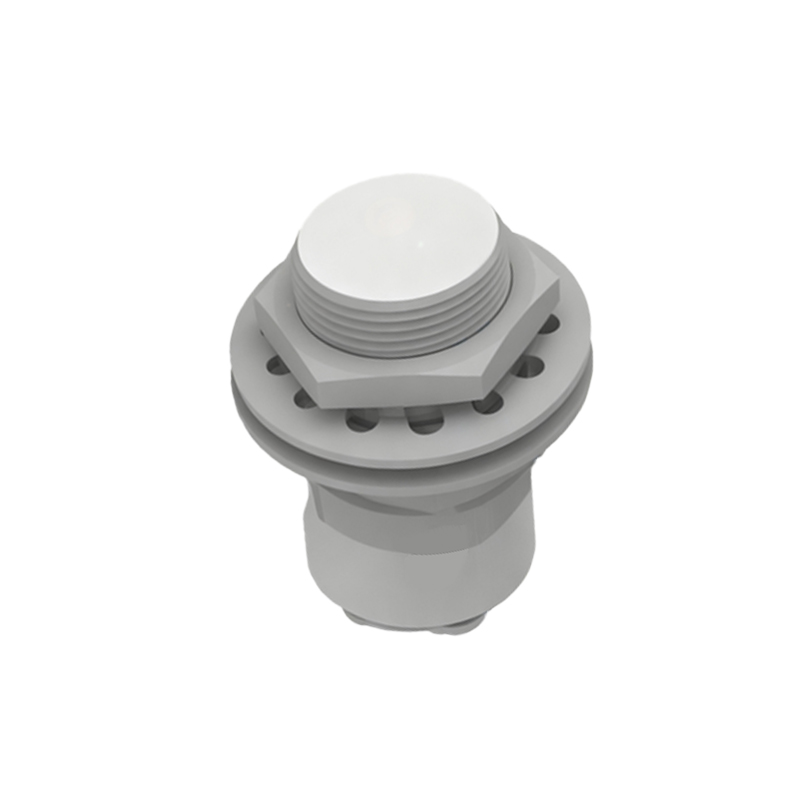
The proximity sensor industry stands at a pivotal juncture, driven by rapid technological advancements and increasing demand across diverse sectors such as automotive, manufacturing, consumer electronics, and robotics. As an electrical engineer with extensive experience in sensor technologies, I have witnessed firsthand the evolution of proximity sensors from simple inductive devices to sophisticated, multi-functional systems capable of enhancing efficiency, safety, and automation. This article delves into the current state of the industry, key innovations, challenges, and future directions, aiming to provide a comprehensive overview for professionals and enthusiasts alike.
Proximity sensors, which detect the presence or absence of objects without physical contact, have become indispensable in modern industrial applications. Initially developed for basic automation tasks, these sensors now incorporate advanced features like high precision, immunity to environmental interference, and integration with Internet of Things (IoT) platforms. The core technologies include inductive, capacitive, ultrasonic, and photoelectric sensors, each suited to specific use cases. For instance, inductive sensors excel in metal detection within harsh industrial environments, while capacitive sensors are ideal for non-metallic materials and liquid level sensing. Recent innovations have focused on miniaturization, energy efficiency, and smart capabilities, enabling sensors to communicate data in real-time for predictive maintenance and process optimization.
The automotive sector represents a major growth driver for proximity sensors, particularly with the rise of electric vehicles (EVs) and autonomous driving systems. Sensors are critical for functions like parking assistance, collision avoidance, and battery management, where reliability and accuracy are paramount. In manufacturing, Industry 4.0 initiatives rely on proximity sensors to enable smart factories, where machines interact seamlessly to boost productivity and reduce downtime. Consumer electronics, from smartphones to home appliances, also leverage these sensors for touchless interfaces and enhanced user experiences. However, the industry faces challenges such as supply chain disruptions, material shortages, and the need for standardization in wireless sensor networks. Engineers must address these issues through collaborative research and development, focusing on robust designs and cost-effective solutions.
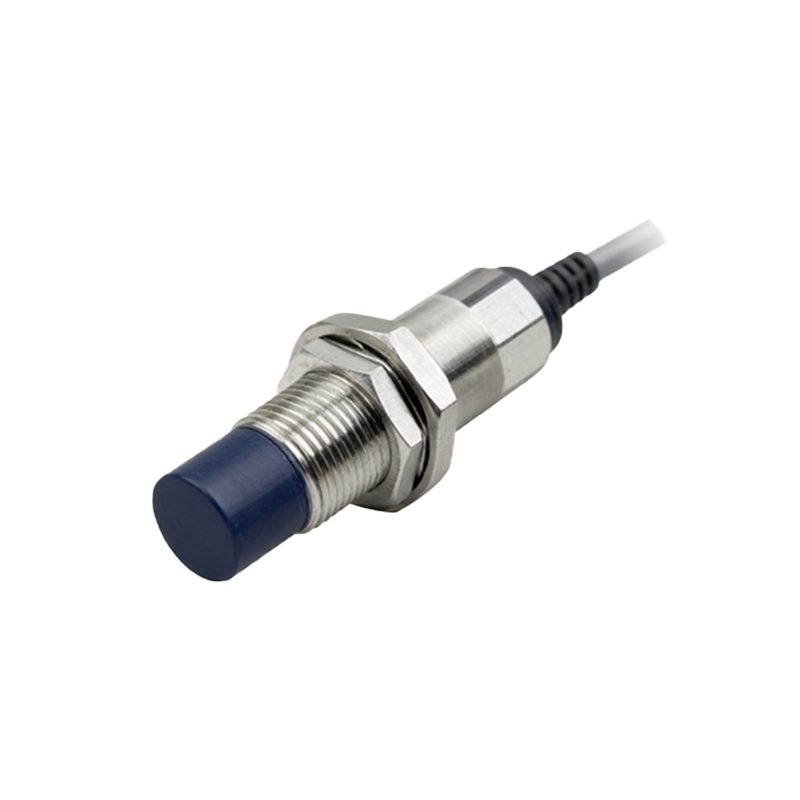
Looking ahead, the integration of artificial intelligence (AI) and machine learning with proximity sensors promises to revolutionize the industry. AI algorithms can analyze sensor data to predict failures, adapt to changing conditions, and enable autonomous decision-making. Additionally, the push toward sustainability is driving demand for eco-friendly sensors with longer lifespans and recyclable materials. As global regulations tighten on safety and emissions, proximity sensors will play a crucial role in compliance and environmental monitoring. For engineers and industry stakeholders, staying abreast of these trends is essential to capitalize on emerging opportunities. In conclusion, the proximity sensor industry is poised for significant growth, fueled by innovation and cross-sector adoption. By embracing technological advancements and addressing challenges head-on, we can shape a future where sensors not only enhance operational efficiency but also contribute to a smarter, safer world.