In industrial automation, proximity sensors play a critical role in detecting the presence or absence of objects without physical contact. However, beyond simple detection, directional sensing—determining the approach or retreat direction of a target—adds a layer of intelligence that enhances system efficiency and safety. This article delves into the principles, technologies, and practical applications of directional sensing using proximity sensors.
Proximity sensors, including inductive, capacitive, and photoelectric types, traditionally provide binary outputs indicating object presence within a sensing range. Directional judgment requires advanced configurations or additional sensor arrays. One common method involves using multiple sensors arranged in a specific pattern. For instance, two sensors placed along a linear path can detect the sequence of activation. If Sensor A triggers before Sensor B, the system interprets movement from A to B; reversed activation indicates opposite direction. This approach is widely used in conveyor systems to monitor item flow direction, preventing jams or misrouting.
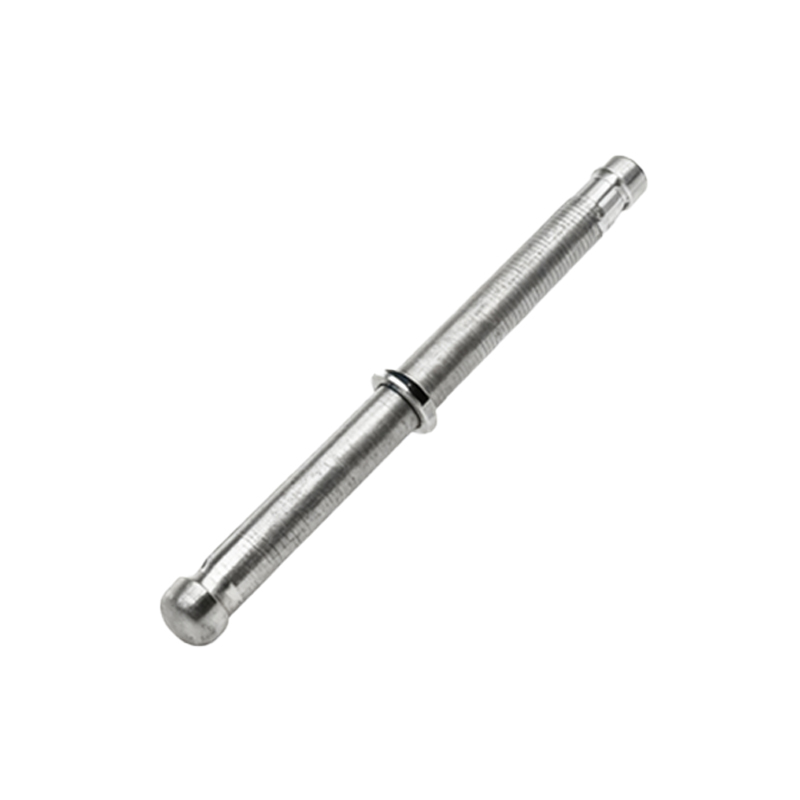
Another technique leverages analog output sensors. Unlike digital sensors, analog variants provide continuous signal variation proportional to the distance between the sensor and target. By analyzing the rate of signal change (derivative), direction can be inferred. A rising signal suggests approach, while a falling signal indicates retreat. This method is particularly effective in precision applications like robotic arm positioning, where smooth motion tracking is essential.
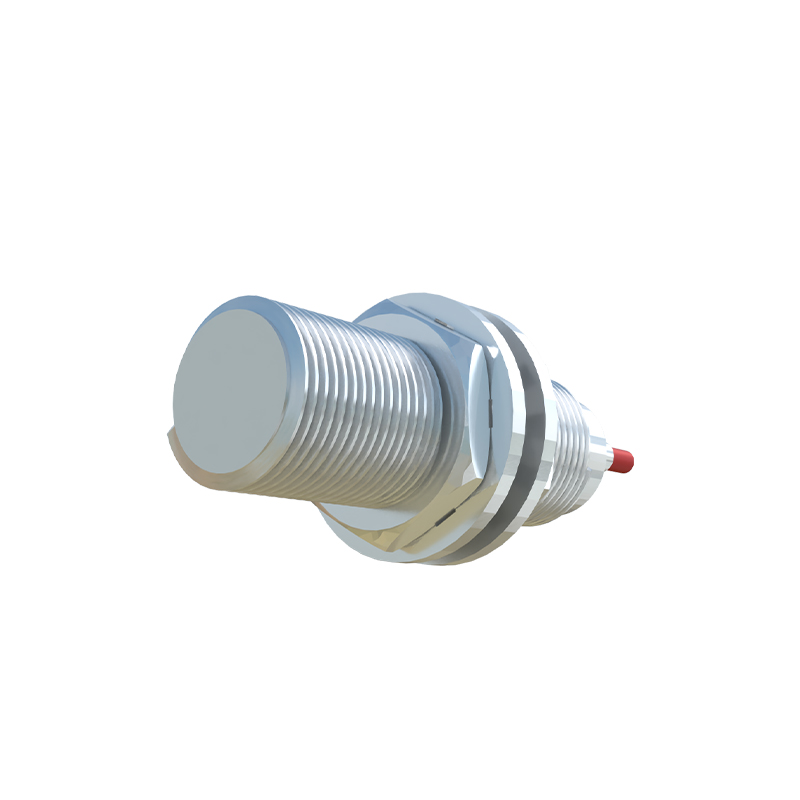
Advanced proximity sensors integrate embedded algorithms for real-time directional analysis. These "smart" sensors process signal patterns internally, reducing the need for external controllers. For example, some inductive sensors with microcontroller units (MCUs) can distinguish between metallic objects moving toward or away from the sensing face, enabling immediate response in high-speed assembly lines.
Environmental factors significantly impact directional sensing accuracy. Electromagnetic interference (EMI) in factories can distort sensor signals, leading to false readings. Shielding techniques and robust sensor designs, such as those with noise immunity circuits, mitigate these issues. Additionally, target material properties—like size, shape, and conductivity—affect sensing consistency. Calibration and sensor selection based on application specifics are crucial. For capacitive sensors, non-metallic objects require adjusted sensitivity settings to maintain reliable direction detection.
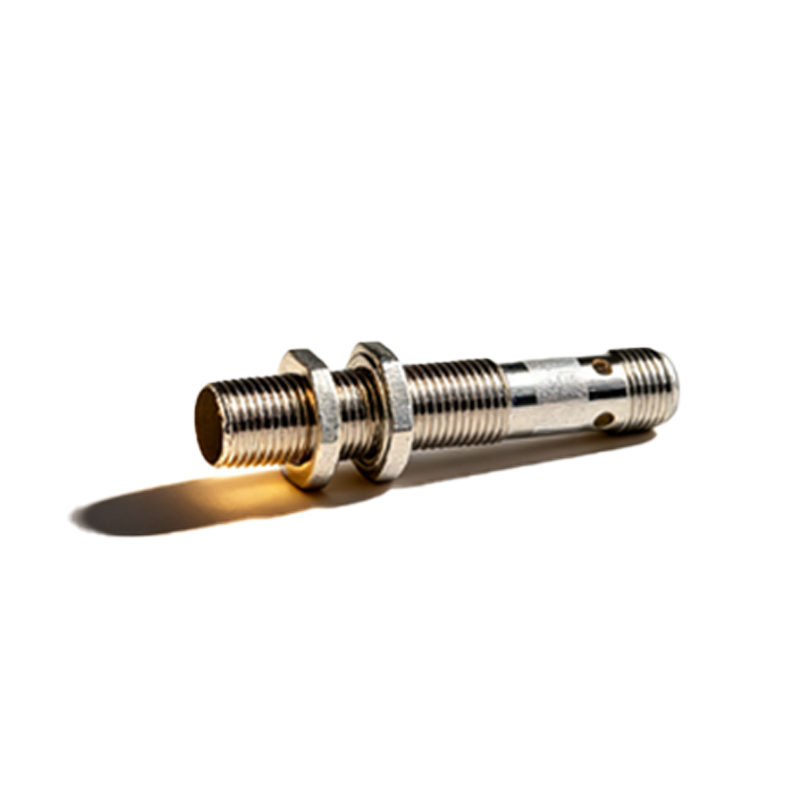
Applications of directional proximity sensors span various industries. In automotive manufacturing, they monitor the movement of components along robotic weld lines, ensuring correct orientation before assembly. In packaging, sensors detect misaligned products on conveyors, triggering reject mechanisms. Safety systems also benefit; for instance, in automated guided vehicles (AGVs), directional sensors help avoid collisions by discerning if an obstacle is approaching or stationary.
Future trends point toward integration with Industrial Internet of Things (IIoT) platforms. Directional data from proximity sensors can be transmitted to cloud systems for predictive analytics, enabling proactive maintenance and optimized workflow. Miniaturization and enhanced energy efficiency will further expand their use in compact machinery and battery-operated devices.
In summary, directional sensing with proximity sensors transforms passive detection into active intelligence. By employing multi-sensor arrays, analog signal analysis, or embedded processing, industries achieve finer control over automated processes. As technology evolves, these sensors will continue to drive innovation in smart manufacturing and beyond, underscoring their importance in modern industrial ecosystems.