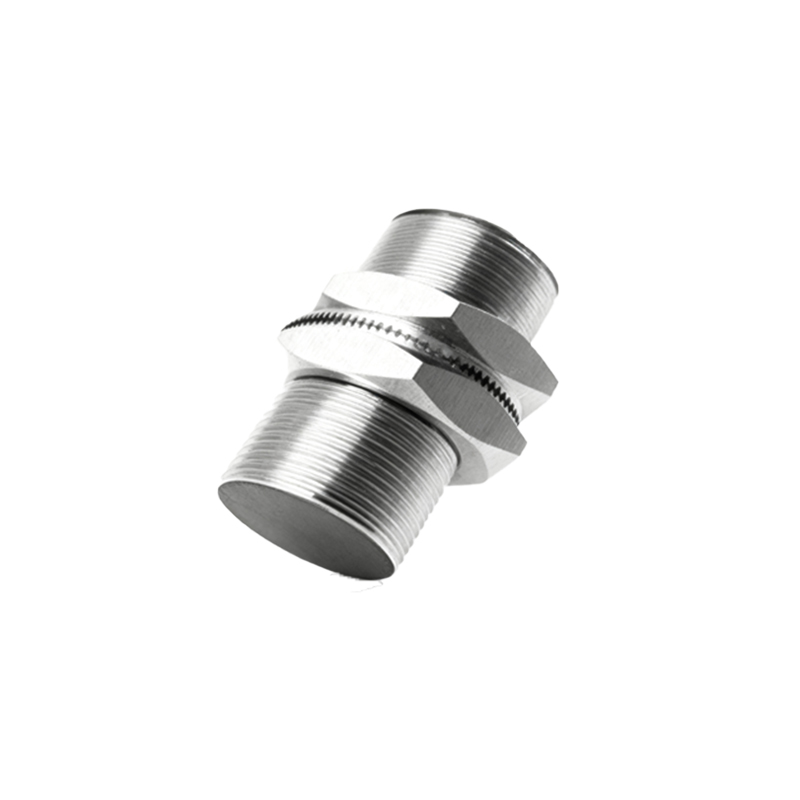
Proximity sensor housings are critical components that protect sensitive internal electronics from environmental hazards such as dust, moisture, chemicals, and mechanical impact. The machining method selected directly influences the sensor's durability, accuracy, and suitability for specific industrial environments. This article explores prevalent machining techniques, material considerations, and quality control practices essential for manufacturing high-performance proximity sensor housings.
The primary machining processes for sensor housings include CNC milling, turning, and drilling, often employed in combination. CNC milling is the most versatile, capable of producing complex geometries with high precision from solid blocks of material. It is ideal for creating the internal cavities for circuit boards, the threaded ports for connectors, and the precise mounting features. CNC turning is predominantly used for cylindrical or conical housings, efficiently machining the outer diameter, internal bores, and face grooves. For high-volume production, die casting, particularly of aluminum or zinc alloys, offers excellent efficiency and good dimensional consistency for less complex shapes. However, for prototypes, low-volume batches, or housings requiring extreme mechanical strength and environmental sealing, machining from billet material remains superior.
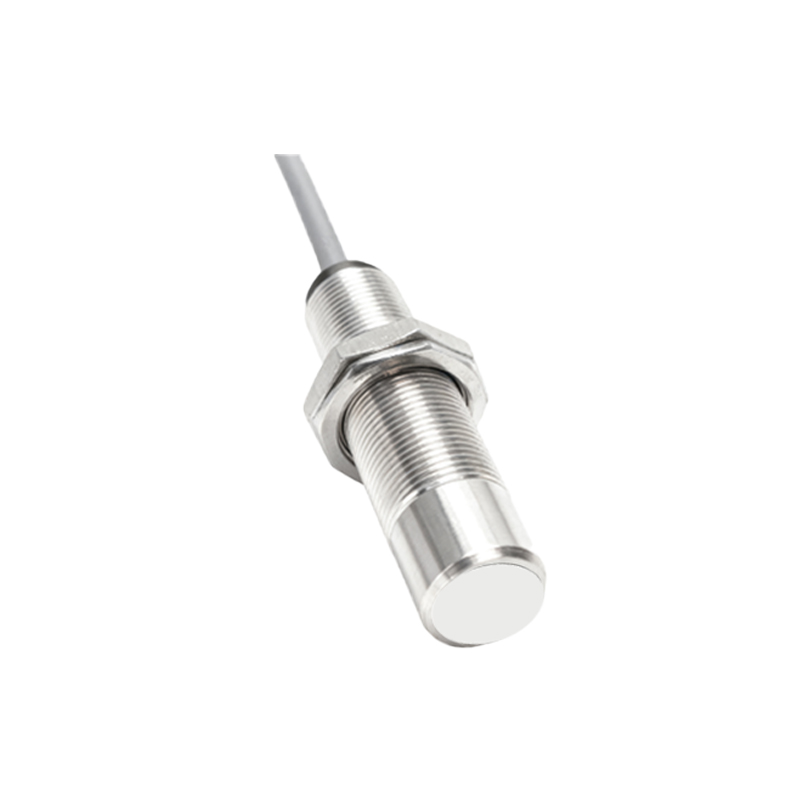
Material selection is paramount and dictates the optimal machining strategy. Stainless steel (e.g., 304 or 316 grade) is the standard for harsh environments involving corrosion, high temperatures, or frequent washdowns. Machining stainless steel requires robust tools, slower speeds, and effective cooling to manage work hardening and tool wear. Aluminum alloys, such as 6061-T6, are widely used for their excellent machinability, good strength-to-weight ratio, and natural corrosion resistance. They allow for higher machining speeds and feed rates, reducing production time. Engineering plastics like PEEK or PVDF are chosen for applications requiring complete immunity to chemical corrosion or for non-metallic sensing fields. Machining plastics requires sharp tools and specific parameters to prevent melting, chipping, or dimensional instability.
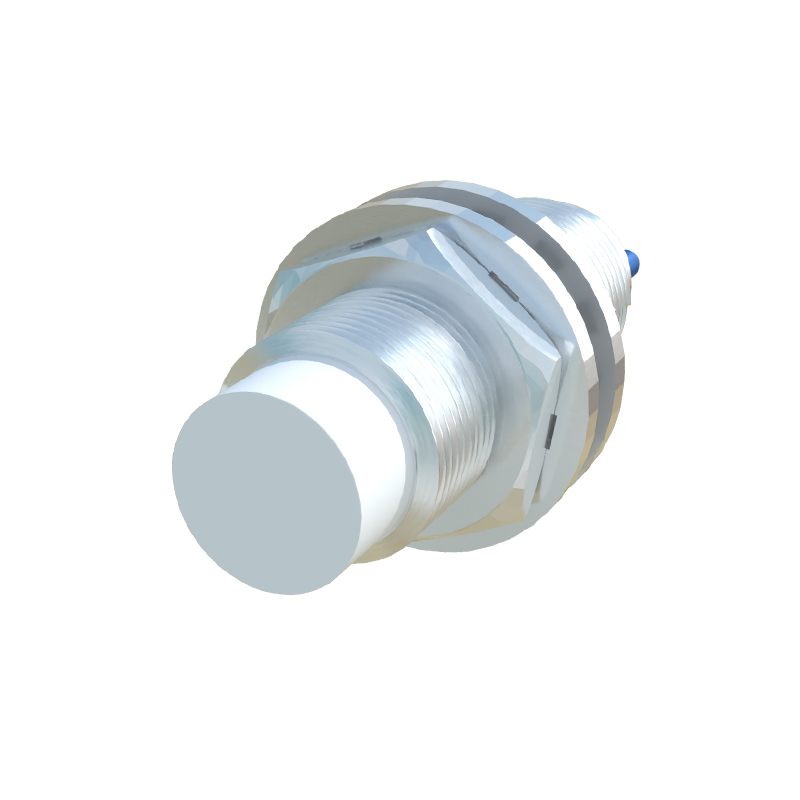
Beyond basic shaping, secondary machining operations are crucial for functionality. A critical step is the machining of the sensing face. This area must be extremely flat, parallel, and have a controlled surface finish to ensure consistent and accurate sensing distance. Any variance can lead to performance drift. Thread machining for conduit entries or mounting bolts must adhere to international standards (e.g., NPT, M-type metric) to guarantee proper sealing and assembly. Drilling and tapping for mounting brackets or nameplates are also standard secondary operations.
Quality control is integrated throughout the machining process. Dimensional inspection using Coordinate Measuring Machines (CMM) verifies critical tolerances, often within ±0.01mm for key features. Surface finish is measured with profilometers, as a smooth finish on the sensing face is essential, while a rougher finish might be specified on the exterior for improved grip or paint adhesion. For waterproof or explosion-proof housings, post-machining processes are vital. This includes machining sealing gland surfaces for O-rings and performing helium leak testing to validate IP67, IP69K, or ATEX-rated integrity. Finally, surface treatments like anodizing for aluminum (increasing hardness and corrosion resistance) or passivation for stainless steel (enhancing the passive oxide layer) are applied, after which final inspection ensures the coating does not interfere with threads or the sensing face.
In conclusion, the machining of a proximity sensor housing is a sophisticated engineering task that balances material science, precision manufacturing, and rigorous testing. Selecting the right combination of machining processes—from primary CNC operations to fine finishing and sealing—ensures the final product meets the rigorous demands of modern industrial automation, providing reliable, long-term operation in challenging conditions. The trend continues towards more integrated machining solutions that combine speed for volume with the flexibility to accommodate custom, application-specific housing designs.