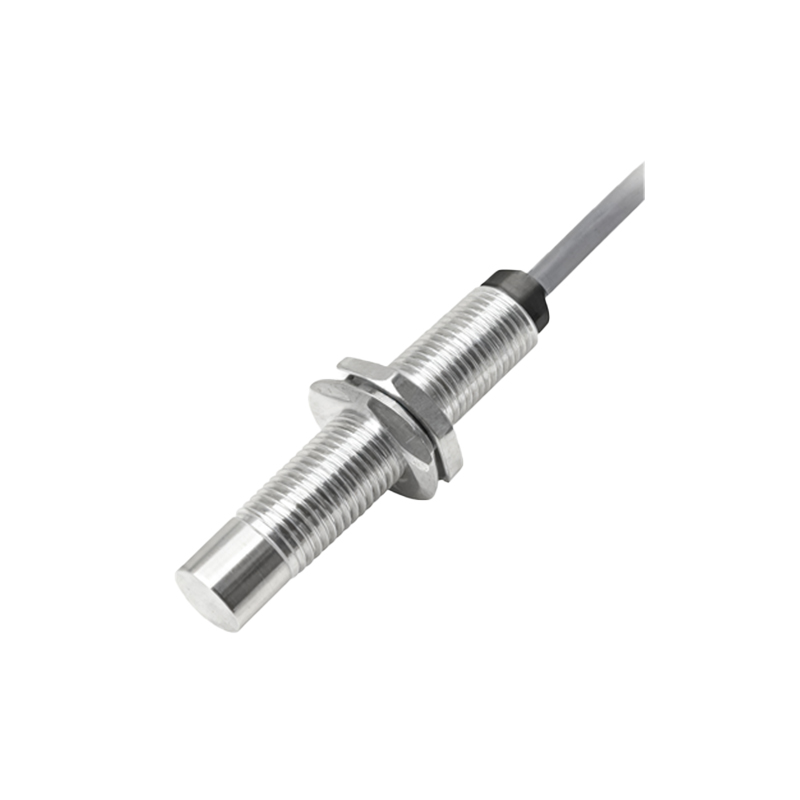
Flexible proximity sensors represent a cutting-edge advancement in sensor technology, combining adaptability, durability, and precision. These sensors are designed to detect the presence or absence of objects within a specified range without physical contact, utilizing technologies such as capacitive, inductive, or optical sensing. The manufacturing process involves sophisticated materials and techniques to ensure high performance in diverse environments.
The core of flexible proximity sensors lies in their construction. Manufacturers use materials like conductive polymers, graphene, or silver nanowires embedded in flexible substrates such as polyimide or silicone. This design allows the sensors to bend, stretch, and conform to irregular surfaces, making them ideal for applications in wearable electronics, robotics, and automotive systems. Production typically involves printing techniques, including inkjet or screen printing, which enable cost-effective mass production while maintaining consistency and accuracy. Quality control is paramount, with rigorous testing for sensitivity, response time, and environmental resilience to meet industry standards.
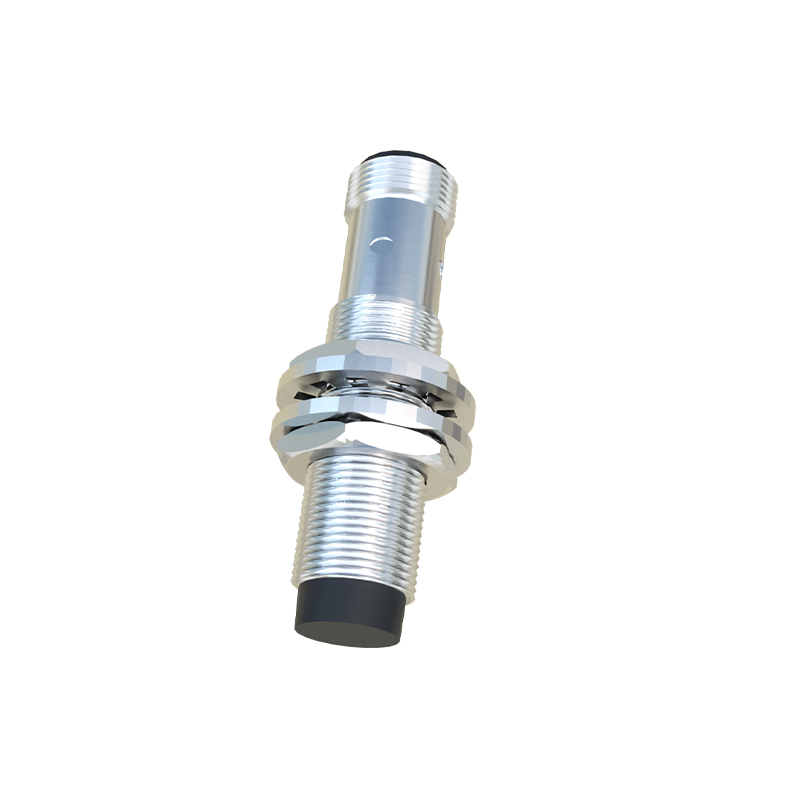
In the industrial sector, flexible proximity sensors are revolutionizing automation and safety. They are integrated into assembly lines to monitor object positioning, prevent collisions, and enhance efficiency. In consumer electronics, these sensors enable touchless interfaces in devices like smartphones and smart home systems, improving user experience. The healthcare industry benefits from their use in medical devices for patient monitoring and diagnostic tools, where flexibility and reliability are critical. Additionally, the automotive industry employs them in advanced driver-assistance systems (ADAS) to detect obstacles and ensure vehicle safety.
The market for flexible proximity sensors is expanding rapidly, driven by trends like the Internet of Things (IoT) and smart manufacturing. Manufacturers are focusing on innovations such as self-powered sensors using energy harvesting and miniaturization for compact designs. Challenges include ensuring long-term stability under harsh conditions and reducing production costs to broaden accessibility. Collaboration between material scientists, engineers, and industry players is key to advancing this technology.
Overall, flexible proximity sensor manufacturing is a dynamic field that blends material science with electronic engineering. As demand grows for smarter, more adaptable solutions, these sensors will play a pivotal role in shaping future technologies across various sectors, from industrial automation to everyday consumer products.