In the rapidly evolving landscape of industrial automation and safety systems, laser proximity sensors have emerged as a cornerstone technology. Recent patent filings reveal a significant shift towards enhancing precision, integration, and adaptability, driven by the demands of Industry 4.0 and smart manufacturing. This article reviews key technological advancements reflected in contemporary patents, providing insights for engineers and industry stakeholders.
A primary focus of recent patent activity is the improvement of measurement accuracy and resolution. Traditional time-of-flight (ToF) and triangulation methods are being refined through novel signal processing algorithms. Patents, such as those held by leading sensor manufacturers, detail systems that employ advanced digital filtering and adaptive thresholding to mitigate interference from ambient light, dust, and vapor—common challenges in harsh industrial environments. These innovations enable sub-millimeter accuracy at extended ranges, surpassing the capabilities of older photoelectric or ultrasonic sensors.
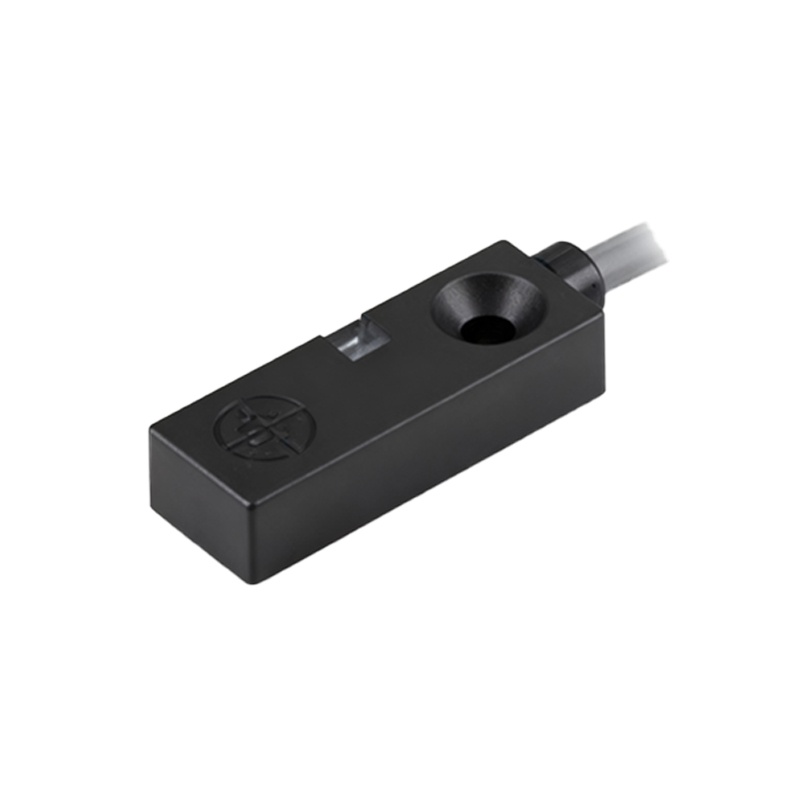
Integration with the Industrial Internet of Things (IIoT) represents another dominant trend. Modern laser proximity sensor patents frequently incorporate embedded communication protocols like IO-Link, EtherCAT, or PROFINET. This allows for not just binary detection but the continuous streaming of rich diagnostic and process data (e.g., exact distance, signal strength, temperature) directly to PLCs or cloud-based analytics platforms. This data-centric approach facilitates predictive maintenance, remote configuration, and seamless integration into digital twin models, transforming the sensor from a simple switch into a smart node within a networked system.
Miniaturization and robust design are also prominent in patent portfolios. New designs feature compact, hermetically sealed housings made from specialized polymers or stainless steel, capable of withstanding extreme temperatures, high-pressure washdowns, and mechanical shock. Patents often highlight innovative optical designs, such as coaxial laser beam alignment, which simplifies installation and alignment while protecting the sensitive laser diode from misalignment due to vibration.
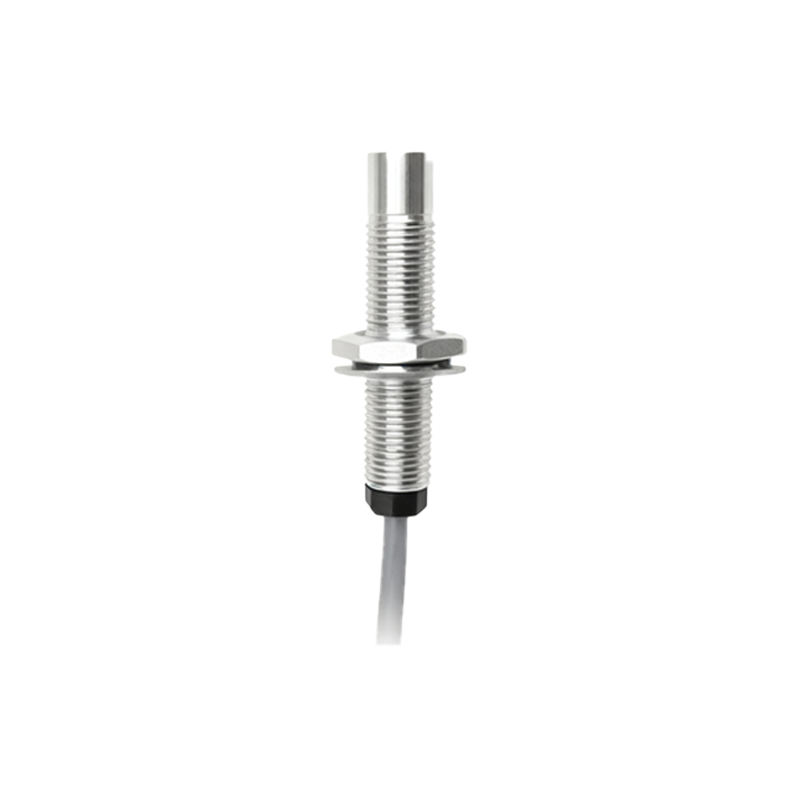
Furthermore, the development of multi-functional and configurable sensors is a key area of innovation. Patents describe units where a single sensor head can be software-configured for different sensing modes—e.g., background suppression, retro-reflective, or diffuse reflection—adapting to various target colors, materials, and surface textures without hardware changes. This flexibility reduces inventory complexity and increases application versatility.
Safety, particularly in collaborative robotics (cobots) and automated guided vehicles (AGVs), is driving patents for safe laser proximity sensors. These designs incorporate functional safety principles (IEC 61496, SIL2/PLd) and use Class 1 or Class 2 laser sources to ensure eye-safe operation. Advanced patents detail systems that can create dynamic safety fields or zones, allowing machinery to slow down or stop based on the precise location and speed of an approaching object, thereby enabling safer human-robot interaction.
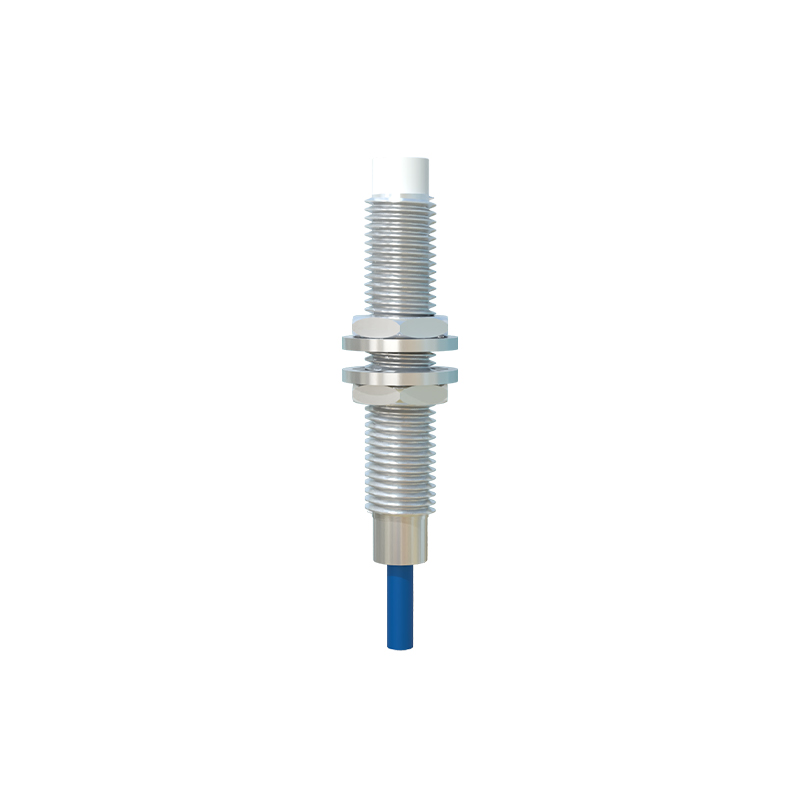
In conclusion, the patent landscape for laser proximity sensors indicates a clear trajectory towards smarter, more connected, and more resilient devices. The convergence of high-precision optics, sophisticated electronics, and intelligent software is setting a new standard. For electrical engineers and system integrators, staying abreast of these patented technologies is crucial for designing next-generation automated systems that are efficient, reliable, and inherently safe. The future will likely see further integration of AI for pattern recognition and anomaly detection directly at the sensor edge, a frontier already hinted at in recent patent applications.