Underwater proximity sensors represent a critical advancement in industrial automation, marine exploration, and environmental monitoring. These specialized devices detect the presence, absence, or position of objects in aquatic environments without physical contact, leveraging various technologies such as ultrasonic, capacitive, inductive, and optical sensing. The unique challenges posed by water—including pressure, turbidity, salinity, and temperature fluctuations—demand robust engineering solutions that ensure reliability and accuracy.
Ultrasonic sensors are among the most prevalent in underwater applications due to their ability to function effectively in diverse water conditions. By emitting high-frequency sound waves and measuring the time taken for echoes to return, these sensors calculate distances to objects with precision. Innovations in signal processing have enhanced their performance in noisy or turbulent waters, making them ideal for tasks like underwater vehicle navigation, pipeline inspection, and sediment monitoring. Capacitive sensors, which detect changes in electrical fields, excel in identifying non-metallic objects or fluid levels, while inductive sensors are tailored for metallic targets in submerged settings. Optical sensors, though limited by water clarity, offer high-resolution data for applications requiring detailed imaging, such as coral reef studies or underwater infrastructure assessments.
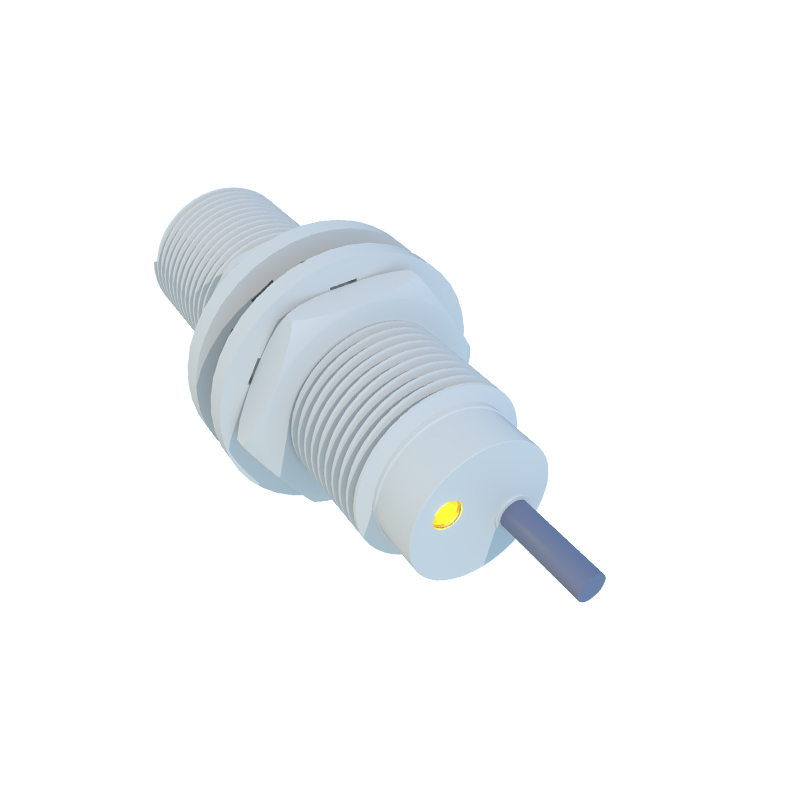
The integration of smart technologies has further transformed underwater proximity sensing. Modern sensors often incorporate IoT connectivity, enabling real-time data transmission and remote monitoring. For instance, in offshore oil and gas operations, sensors provide continuous feedback on equipment proximity to prevent collisions or leaks, enhancing safety and efficiency. Similarly, in aquaculture, proximity sensors help manage feeding systems and monitor fish behavior, optimizing resource use and reducing environmental impact. The rise of autonomous underwater vehicles (AUVs) and remotely operated vehicles (ROVs) relies heavily on these sensors for obstacle avoidance and precise maneuvering, supporting scientific research and industrial tasks in deep-sea environments.
Material science plays a pivotal role in sensor durability. Components are typically encased in corrosion-resistant materials like titanium or specialized polymers, with seals designed to withstand high pressures. Calibration protocols account for water density and acoustic properties, ensuring consistent performance across varying conditions. Industry standards, such as those set by the International Electrotechnical Commission (IEC), guide the development and testing of these devices, promoting interoperability and safety.
Looking ahead, trends in miniaturization and energy efficiency are driving the next generation of underwater sensors. Advances in micro-electromechanical systems (MEMS) allow for smaller, low-power designs that extend deployment durations in remote areas. Additionally, machine learning algorithms are being integrated to interpret sensor data more intelligently, enabling predictive maintenance and adaptive responses in dynamic underwater settings. As global interest in ocean exploration and sustainable resource management grows, underwater proximity sensors will continue to evolve, offering finer granularity and broader applications across sectors like renewable energy, marine conservation, and defense.
In summary, underwater proximity sensors are indispensable tools that bridge technological innovation with practical industrial needs. Their development reflects a deep understanding of aquatic physics and engineering resilience, empowering industries to operate safely and efficiently beneath the waves. By embracing emerging technologies, these sensors promise to unlock new possibilities in the blue economy, from monitoring climate change effects to enabling deeper human engagement with marine ecosystems.