Proximity sensors have become indispensable components in modern industrial automation, offering non-contact detection capabilities that enhance efficiency, reliability, and safety. This article explores several real-world application cases across diverse industries, highlighting the operational principles, sensor selection criteria, and tangible benefits achieved through implementation.
In automotive manufacturing, inductive proximity sensors are extensively deployed in robotic welding stations. These sensors detect the presence of metal components on assembly lines with millimeter-level precision, ensuring proper positioning before welding operations commence. A major European automaker implemented cylindrical shielded sensors in high-electromagnetic-interference environments, achieving 99.98% detection accuracy while withstanding metallic dust accumulation. The solution eliminated mechanical limit switches that required weekly maintenance, reducing downtime by 300 hours annually.
The packaging industry presents unique challenges with transparent and colored materials. Here, capacitive proximity sensors demonstrate their versatility by detecting non-metallic objects through container walls. A pharmaceutical packaging facility utilized flat-surface capacitive sensors to monitor plastic vial levels on filling lines. By adjusting the sensitivity threshold, the sensors reliably detected transparent PET containers without false triggers from conveyor vibration. This implementation prevented overfilling incidents and reduced material waste by 17% within the first quarter of deployment.
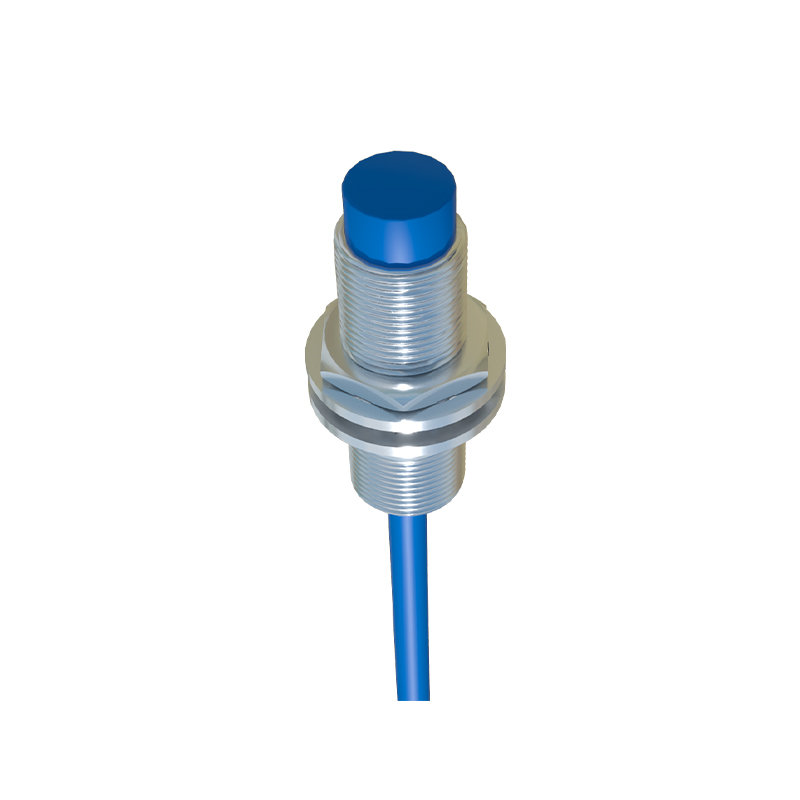
Food processing applications demand stringent hygiene standards, making stainless steel housed sensors with IP69K ratings essential. In a dairy plant, ultrasonic proximity sensors monitor liquid levels in stainless steel silos without physical contact. These sensors operate effectively despite condensation and surface foam, providing continuous level data to the control system. The plant reported a 23% reduction in product loss through improved inventory management and eliminated manual dipping measurements that previously caused contamination risks.
Material handling systems benefit dramatically from magnetic proximity sensors in crane positioning. A port logistics company installed ruggedized sensors along container crane rails to detect predefined positions. The sensors' ability to function through non-ferrous coatings and withstand saltwater corrosion proved critical. This implementation enhanced container placement accuracy to ±5cm, accelerating loading operations by 15% while preventing structural collisions that previously caused annual repair costs exceeding $200,000.
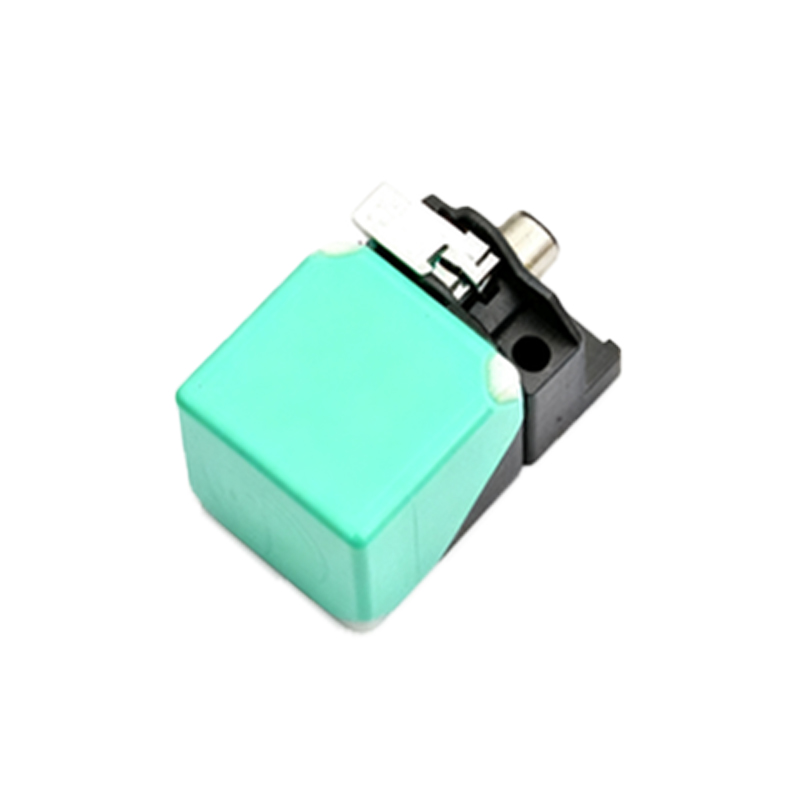
Machine safety applications represent another crucial domain. Laser-based proximity sensors create invisible protection fields around press brakes in metal fabrication shops. When operators breach the detection zone, the system initiates emergency stops within milliseconds. After implementing this technology, a sheet metal manufacturer reduced safety-related incidents by 94% over two years while maintaining production speed—a significant improvement over physical light curtains that required frequent realignment.
Selecting appropriate sensors involves analyzing multiple factors: target material composition (ferrous/non-ferrous metals, plastics, liquids), required sensing distance, environmental conditions (temperature extremes, washdown requirements, explosive atmospheres), and output configuration (PNP/NPN, analog, IO-Link). The emergence of smart sensors with diagnostic capabilities has further transformed maintenance practices. Vibration monitoring and temperature compensation features enable predictive maintenance, as demonstrated in a paper mill where sensor lifespan increased by 40% through early degradation alerts.
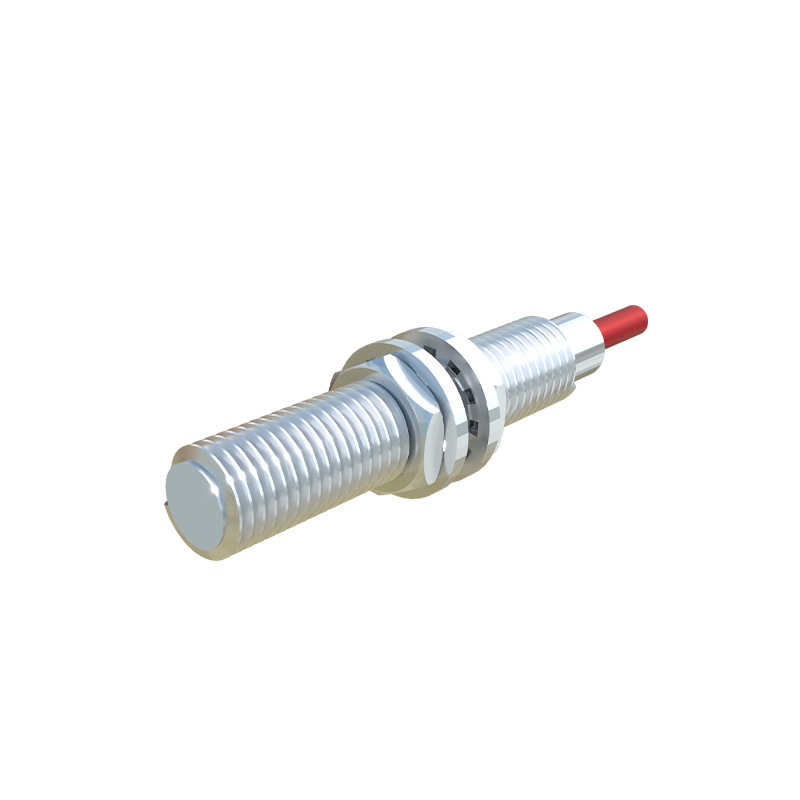
Integration with Industrial IoT platforms represents the latest advancement. Proximity sensors equipped with Ethernet connectivity transmit real-time operational data to manufacturing execution systems. An aerospace components manufacturer networked their sensor arrays to track tool wear patterns, correlating detection signal variations with cutting tool conditions. This data-driven approach optimized tool replacement schedules, improving product quality consistency by 31% while reducing unplanned machine stoppages.
These case studies collectively demonstrate how proper proximity sensor deployment drives tangible operational improvements. Key success factors include thorough application analysis during selection, consideration of environmental resilience, and leveraging advanced features like self-diagnostics. As Industry 4.0 adoption accelerates, proximity sensors will increasingly function not merely as detection devices but as intelligent data sources feeding into larger optimization ecosystems, making their strategic implementation more valuable than ever in competitive industrial landscapes.