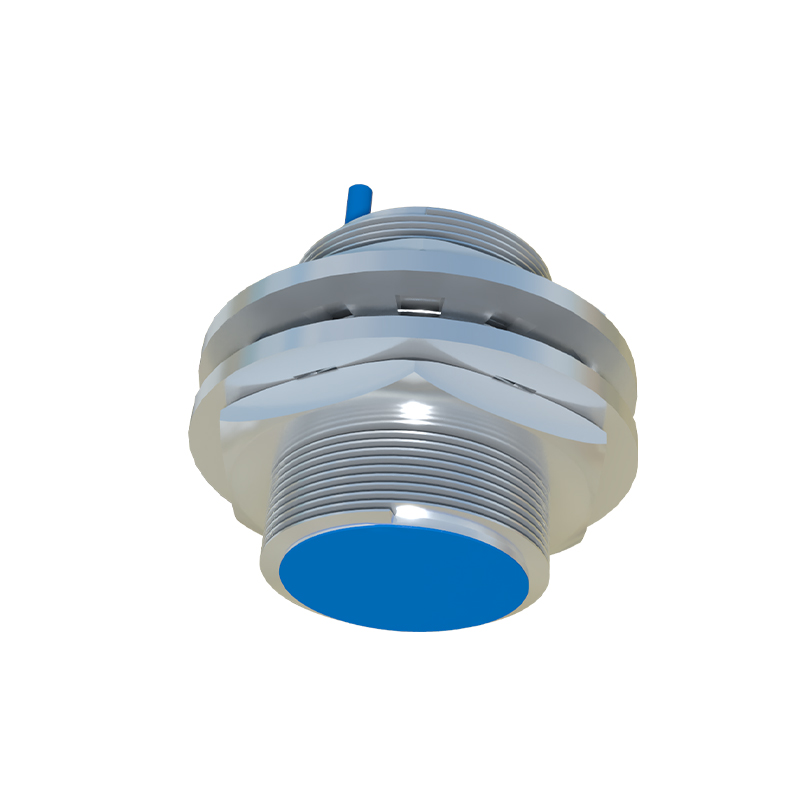
Proximity sensors are pivotal components in industrial automation, enabling non-contact detection of objects within a defined range. These devices operate by emitting electromagnetic fields or beams to sense the presence, absence, or position of target objects without physical contact. Their applications span diverse sectors, enhancing efficiency, safety, and precision. In manufacturing, proximity sensors are integral to assembly lines, where they detect parts for robotic arms, ensuring accurate placement and reducing errors. For instance, inductive sensors identify metallic objects in machinery, facilitating automated sorting and quality control. Capacitive sensors, on the other hand, detect non-metallic materials like plastics or liquids, making them ideal for packaging and filling systems. In the automotive industry, proximity sensors contribute to safety features such as parking assistance and collision avoidance systems. Ultrasonic sensors measure distances to obstacles, alerting drivers and triggering automatic braking when necessary. Additionally, magnetic sensors monitor wheel speed for anti-lock braking systems (ABS), improving vehicle stability. Within logistics and warehousing, proximity sensors optimize inventory management by tracking goods on conveyor belts and in automated storage systems. They enable real-time data collection, supporting just-in-time production and reducing operational costs. In hazardous environments, such as chemical plants or mining sites, these sensors provide critical monitoring without risking human exposure. For example, infrared sensors detect heat or motion in restricted areas, enhancing security and preventing accidents. Furthermore, proximity sensors are essential in consumer electronics, including smartphones and tablets, where they disable touchscreens during calls to prevent unintended inputs. In agriculture, they assist in automated irrigation systems by sensing soil moisture levels, promoting sustainable resource use. The healthcare sector also benefits, with sensors used in medical devices for precise diagnostics and patient monitoring. As Industry 4.0 advances, proximity sensors integrate with IoT networks, enabling predictive maintenance and smart factory solutions. By analyzing sensor data, companies can anticipate equipment failures, minimize downtime, and boost productivity. Overall, the versatility of proximity sensors drives innovation across industries, fostering automation and intelligent systems. Their reliability, durability, and adaptability make them indispensable in modern engineering, paving the way for future technological breakthroughs.