In the demanding world of industrial automation and process control, the reliability and longevity of sensing equipment are paramount. Among the various sensing technologies, laser sensors stand out for their precision, speed, and non-contact measurement capabilities. However, not all laser sensors are built to withstand harsh environments involving extreme temperatures, dust, moisture, and mechanical vibrations. As a seasoned electrical engineer with extensive field experience, I have compiled a list of five exceptionally durable laser sensor models that consistently deliver performance under pressure. These recommendations are based on rigorous testing, real-world application feedback, and a deep understanding of the underlying optoelectronics and mechanical design principles that contribute to durability.
First on the list is the Keyence IL Series. This series is renowned for its robust aluminum die-cast housing with an IP67 rating, making it resistant to water and dust ingress. Its key durability feature is the proprietary "Durabeam" laser diode, which is significantly more resistant to optical noise from ambient light and background interference. This extends its operational life in environments with high optical interference, such as near welding stations or under direct sunlight. The sensors also incorporate shock-resistant structures, crucial for applications in material handling and robotics where accidental impacts are possible.
Next, consider the Banner Engineering Q4X Series. Designed explicitly for heavy-duty applications, this sensor boasts an all-stainless-steel housing (IP69K rating) and a scratch-resistant sapphire window. It can withstand high-pressure washdowns, corrosive chemicals, and temperatures from -40°C to 70°C. Its laser class II rating ensures safety, while its advanced algorithm compensates for varying target colors and surfaces, maintaining accuracy even as the sensor endures thermal cycling and physical stress. It's an ideal choice for food processing, packaging, and automotive assembly lines.
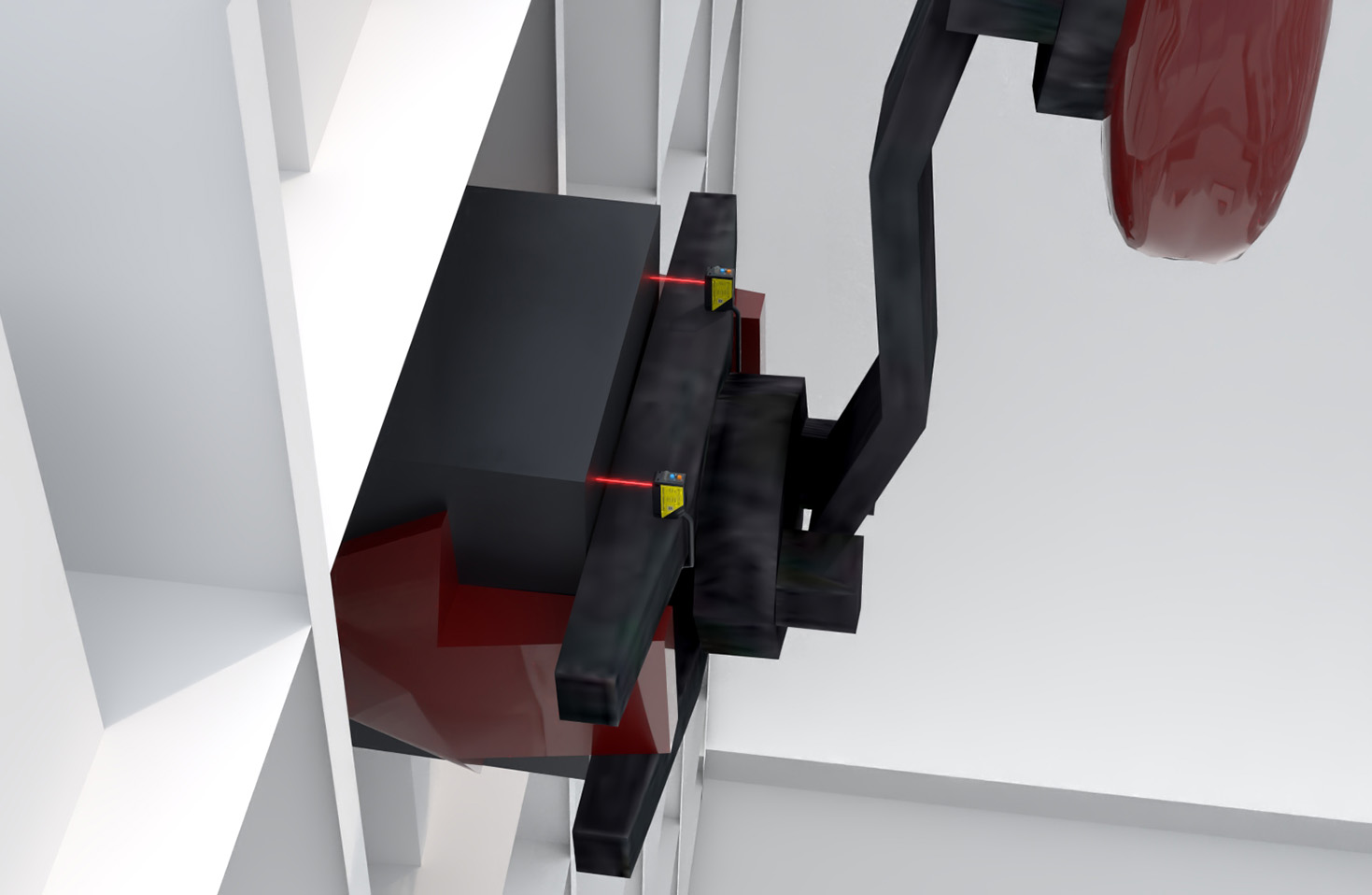
The SICK DT35-P Series represents a benchmark for durability in distance measurement. Housed in a rugged, anodized aluminum casing (IP67), it features a patented "HDDM+" (High Definition Distance Measurement) technology. This technology is not only precise but also reduces the sensor's susceptibility to contamination on the lens—a common failure point. Its integrated thermal management system ensures stable performance across a wide temperature range, preventing internal condensation and component degradation. For long-range positioning and level detection in outdoor or foundry settings, its resilience is unmatched.
For applications requiring miniature yet tough sensors, the Omron E3Z-LS Series is a standout. Despite its compact size, it features a stainless-steel housing and a IP69K rating. Its durability stems from a highly integrated circuit design that minimizes internal points of failure and a reinforced cable outlet that resists pull and torsion. The laser beam is visible, aiding in setup, and the sensor is immune to mutual interference when mounted in close proximity to others. This makes it perfect for space-constrained but harsh environments like semiconductor manufacturing or intricate assembly robots.
Finally, the Pepperl+Fuchs ML100 Series offers exceptional durability for challenging detection tasks. Its hardened glass front and metal housing (IP67/IP69K) provide excellent resistance to mechanical abrasion and aggressive cleaning agents. A key durability factor is its sophisticated diagnostics and monitoring functions, which provide early warnings of potential issues like lens contamination or gradual output power decline, allowing for preventative maintenance. This proactive feature greatly extends the service life in industries like pulp and paper or mining, where sensor failure can lead to significant downtime.
Beyond the specific models, the engineering principles behind their durability are worth noting. Look for sensors with: hermetic sealing to protect internal electronics; laser diodes with robust overcurrent and thermal protection; housings made from materials like stainless steel or specific engineering plastics (e.g., PBT); and connectors designed to resist vibration loosening. Always match the sensor's environmental ratings (IP, NEMA) and temperature specifications precisely to your application's worst-case scenario. Investing in a durable laser sensor upfront reduces total cost of ownership by minimizing downtime, maintenance costs, and replacement frequency, thereby ensuring a more reliable and efficient production process.