Proximity sensors are indispensable components in modern industrial automation, providing non-contact detection of objects within their sensing range. These devices play a critical role in enhancing efficiency, safety, and reliability across various applications, from manufacturing assembly lines to robotic systems. Unlike mechanical limit switches, proximity sensors operate without physical contact, thereby reducing wear and tear and minimizing maintenance requirements.
There are several primary types of proximity sensors, each utilizing different technologies to detect objects. Inductive proximity sensors are widely used for detecting metallic objects. They generate an electromagnetic field and sense changes caused by metallic targets. Common applications include position sensing of machine parts, conveyor systems, and metal detection in automotive manufacturing. Capacitive proximity sensors, on the other hand, can detect both metallic and non-metallic materials such as plastics, liquids, and granular substances by measuring changes in capacitance. These are often employed in level detection, material handling, and packaging industries.
Ultrasonic proximity sensors use sound waves to detect objects and measure distances. They are highly effective in challenging environments with dust, moisture, or varying lighting conditions. Typical uses involve bulk material level monitoring, obstacle detection for autonomous vehicles, and container filling systems. Photoelectric sensors, another vital category, employ light beams to detect objects. They offer long sensing ranges and are suitable for detecting transparent or colored items, commonly found in bottling plants, pharmaceutical packaging, and electronic component assembly.
Selecting the appropriate proximity sensor requires careful consideration of several factors. The sensing range, defined as the maximum distance at which the sensor can reliably detect a standard target, is a fundamental parameter. Environmental conditions, such as temperature extremes, humidity, exposure to chemicals, or presence of electrical noise, significantly influence sensor performance and longevity. The output type—whether NPN, PNP, analog, or IO-Link—must be compatible with the control system, such as a PLC (Programmable Logic Controller). Additionally, the housing material, typically nickel-plated brass, stainless steel, or PBT plastic, should be chosen based on the operational environment to ensure durability and resistance to corrosion or impact.
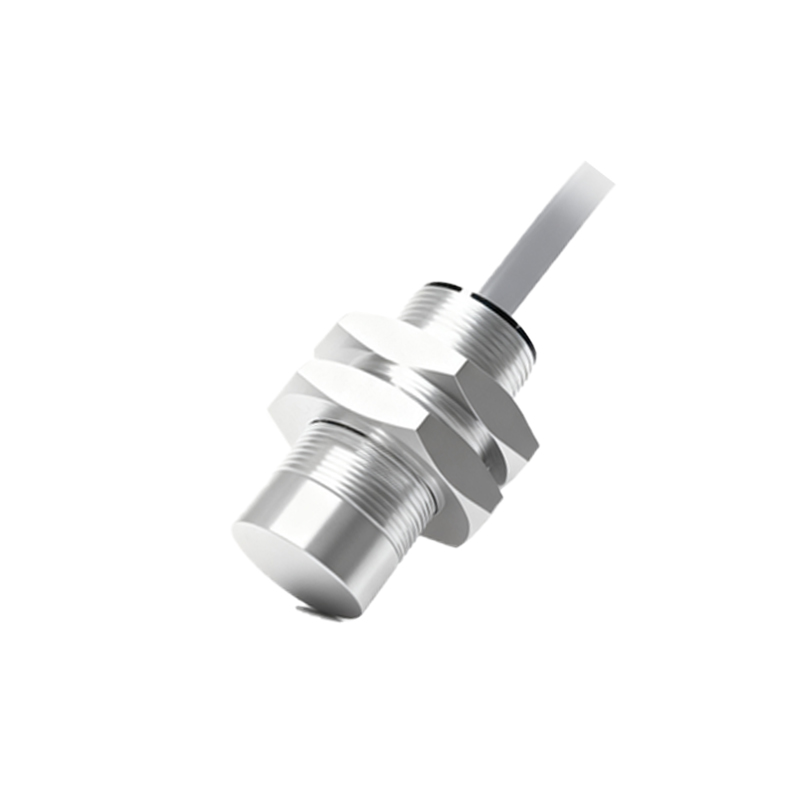
Installation and wiring are critical for optimal sensor operation. Proper mounting, alignment, and securing of cables prevent mechanical stress and signal interference. Adherence to manufacturer guidelines regarding shielding, cable routing, and connection to power supplies is essential to avoid electromagnetic interference (EMI) and ensure stable operation. Regular maintenance, including periodic cleaning of the sensor face to remove contaminants like oil, dust, or metal chips, helps maintain accuracy and prevent false triggering. Diagnostic features available in advanced models, such as LED indicators for output status or built-in diagnostics via IO-Link, facilitate troubleshooting and reduce downtime.
The integration of proximity sensors with Industry 4.0 and IoT (Internet of Things) platforms is a growing trend. Smart sensors equipped with communication protocols like IO-Link, PROFINET, or EtherNet/IP provide valuable data on operational status, health parameters, and process variables. This data enables predictive maintenance, real-time monitoring, and optimization of production processes, contributing to higher overall equipment effectiveness (OEE).
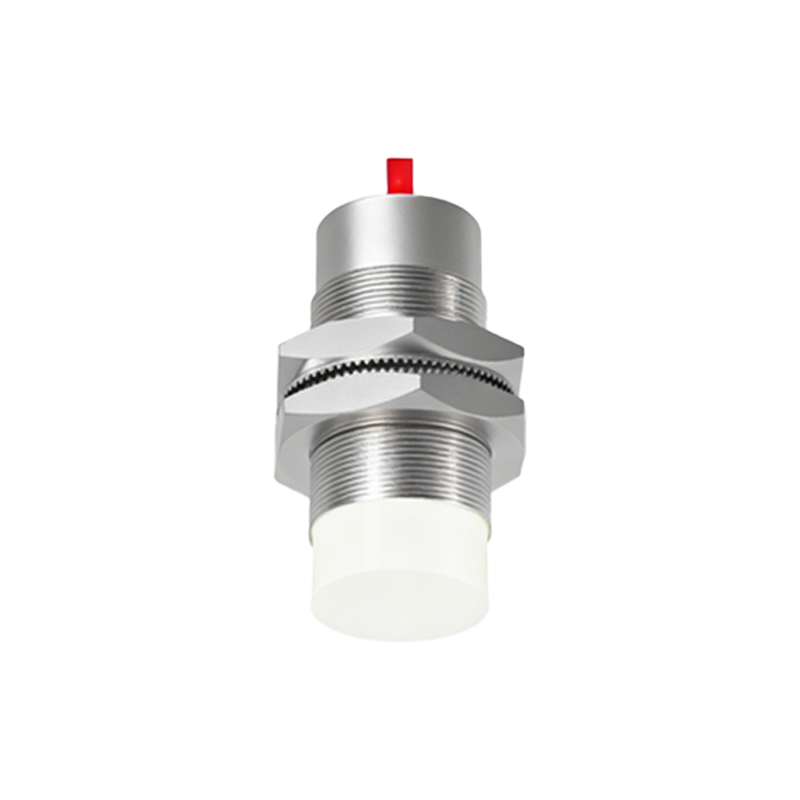
In summary, proximity sensors are vital for automated systems, offering reliable, non-contact detection that improves operational efficiency and system longevity. Understanding their working principles, types, selection criteria, and integration methods is crucial for engineers and technicians designing, implementing, and maintaining industrial automation solutions. As technology advances, these sensors will continue to evolve, offering enhanced precision, connectivity, and adaptability to meet the demands of increasingly sophisticated industrial applications.