In the world of industrial automation and machine design, proximity sensors are indispensable components. They provide non-contact detection of objects, enabling precise control, safety interlocks, and process monitoring. A common and critical question for engineers, procurement specialists, and maintenance managers is: where can you find reliable proximity sensors? The answer is not a single source but a landscape of options, each with its own advantages and considerations. The key lies in understanding the supply chain and selecting the right partner for your specific application needs.
The primary channel for sourcing proximity sensors is through authorized distributors. Major manufacturers like Siemens, Omron, Schneider Electric, Rockwell Automation (Allen-Bradley), and Pepperl+Fuchs typically sell their products through a global network of specialized distributors. These distributors offer significant benefits. They hold local inventory, providing faster delivery times for standard models. They also offer technical support, helping you select the correct sensor type (inductive, capacitive, ultrasonic, or photoelectric) for your material, sensing distance, and environmental conditions (e.g., washdown, high temperature). Furthermore, distributors manage the procurement relationship, handling quotes, orders, and warranty claims. Finding these distributors is straightforward via the "Where to Buy" or "Distributor Locator" sections on any major manufacturer's website.
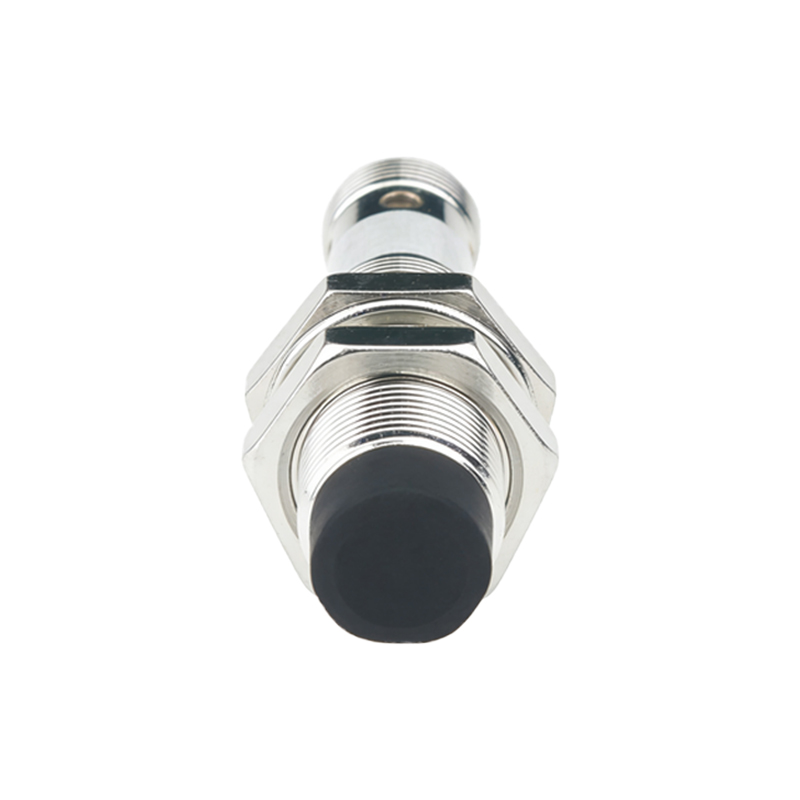
For more specialized or cost-sensitive projects, direct engagement with sensor manufacturers is another viable path. This approach is often necessary for custom requirements, such as unusual form factors, specific output configurations, or extreme performance specifications. Contacting the manufacturer's sales or engineering team directly can facilitate the development of a tailored solution. While this route may involve longer lead times and potentially higher costs for custom work, it ensures the product is perfectly matched to the application's demands. Manufacturers' websites are treasure troves of technical data sheets, CAD models, and application notes, which are essential for the design phase.
In recent years, online industrial marketplaces and component suppliers have grown into a powerful sourcing avenue. Platforms like Digi-Key, Mouser, RS Components, and Newark offer vast catalogs from hundreds of sensor brands. Their strength lies in breadth and convenience. Engineers can compare specifications, pricing, and availability from multiple manufacturers on a single site. These platforms are excellent for prototyping, small-batch purchases, or sourcing obsolete or hard-to-find components. However, for large-volume production orders, the pricing may not be as competitive as negotiating directly with a distributor or manufacturer, and the depth of application-specific technical support might be less.
Beyond these mainstream channels, a network of system integrators and Original Equipment Manufacturer (OEM) suppliers plays a crucial role. Many machine builders and panel shops have established relationships with sensor suppliers. They often procure sensors as part of a larger system or bill of materials. If you are working with an integrator, they can specify and source the sensors, leveraging their volume discounts and technical expertise. This transfers the sourcing responsibility but requires clear communication of your technical specifications to ensure the selected components meet the system's performance criteria.
When deciding where to source your proximity sensors, several critical factors must be evaluated. First is technical competency. Does the supplier understand your application? Can they provide correct datasheets and advise on installation (e.g., flush vs. non-flush mounting for inductive sensors)? Second is logistics and supply chain reliability. Consistent availability and predictable lead times are vital for maintaining production. Third is total cost, which includes not just the unit price but also shipping, minimum order quantities, and the cost of downtime if a sensor fails. Finally, consider value-added services like vendor-managed inventory, technical training, or robust after-sales support.
In conclusion, finding proximity sensors is easy, but finding the right source requires strategic thought. The journey typically begins at a manufacturer's website to identify product families, then moves to evaluating local distributors for support and availability, and may include online marketplaces for comparison and prototyping. For complex or high-volume needs, direct manufacturer contact or leveraging your system integrator's network is wise. By aligning your project's requirements—technical, commercial, and logistical—with the strengths of the different sourcing channels, you can ensure a reliable supply of high-quality proximity sensors that keep your operations running smoothly and efficiently.