In industrial automation and control systems, proximity sensors play a critical role in detecting the presence or absence of objects without physical contact. Their reliability directly impacts production efficiency, safety, and maintenance costs. However, not all proximity sensors perform equally. Distinguishing between high-quality and subpar units requires a systematic approach based on technical parameters, environmental adaptability, and real-world performance. This guide outlines key methods to evaluate proximity sensor quality effectively.
First, examine the sensor's specifications against application requirements. Key parameters include sensing distance, repeat accuracy, response time, and operating voltage range. A good proximity sensor maintains stable sensing distance within ±10% of its rated value, even under voltage fluctuations or temperature variations. In contrast, inferior sensors often exhibit significant drift—exceeding 15%—when tested under dynamic conditions. For instance, perform a simple test by placing a standard target at the nominal sensing distance and gradually varying the supply voltage (e.g., from 90% to 110% of rated voltage). Consistent detection indicates robust design, while intermittent failures signal poor voltage tolerance.
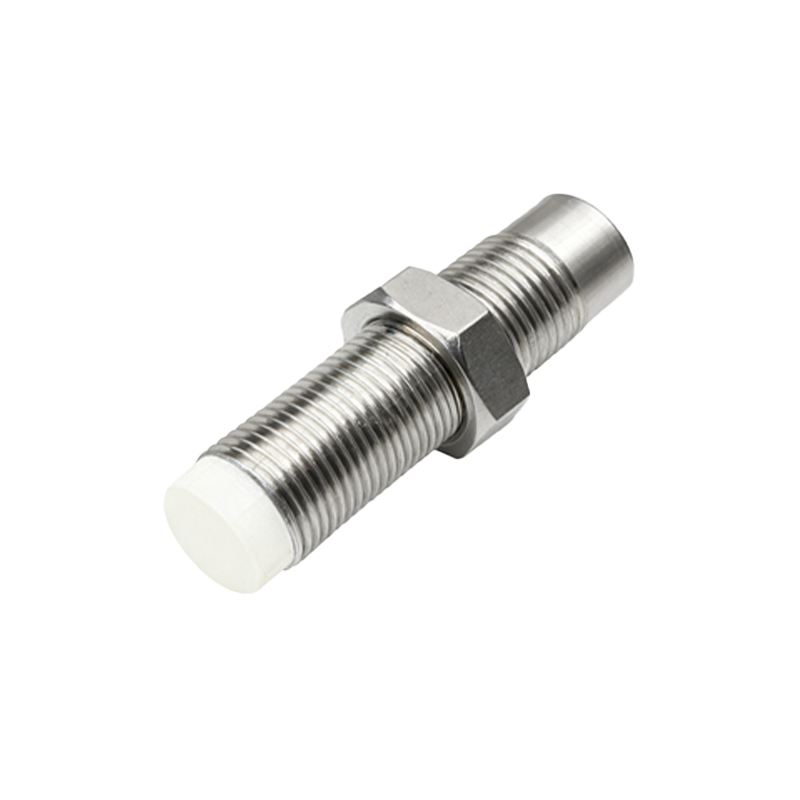
Next, assess build quality and material integrity. High-grade sensors feature housings made of stainless steel, nickel-plated brass, or PBT thermoplastics, ensuring resistance to corrosion, chemicals, and mechanical stress. Check sealing ratings such as IP67 or IP69K for dust and water ingress protection. Substandard sensors may use cheaper materials like untreated aluminum or low-grade plastics, leading to premature failure in harsh environments. Additionally, inspect cable strain relief and connector durability—weak points in many low-cost models.
Environmental adaptability is another crucial factor. Industrial settings involve electromagnetic interference (EMI), temperature extremes, and vibration. Quality sensors incorporate shielding against EMI and are tested for compliance with standards like IEC 60947-5-2. To test EMI resistance, operate the sensor near variable frequency drives (VFDs) or welding equipment; false triggering or signal dropout indicates inadequate shielding. Temperature performance can be verified by monitoring the sensor’s operation from -25°C to 70°C (typical industrial range). Reliable sensors maintain functionality without hysteresis, while poor ones may latch or reset unexpectedly.
Output characteristics reveal internal design quality. Analyze the output signal waveform using an oscilloscope. A clean, sharp transition with minimal bounce or noise suggests precise internal circuitry. For analog sensors, linearity and resolution are vital—deviations beyond datasheet limits imply poor calibration. Additionally, measure switching frequency under load; a sensor that cannot sustain its rated frequency (e.g., 1 kHz) may overheat or degrade quickly.
Long-term reliability is best judged through endurance testing. While accelerated life tests are ideal, practical checks include monitoring the sensor over thousands of cycles in actual or simulated conditions. Note any degradation in sensing distance or increased response time. Reputable manufacturers provide MTBF (Mean Time Between Failures) data, often exceeding 100,000 hours for premium models. In contrast, generic sensors rarely offer such guarantees and may fail within months under heavy use.
Finally, consider manufacturer support and certification. Trusted brands supply detailed datasheets, application notes, and compliance marks (CE, UL, RoHS). They also offer technical assistance for integration challenges. Counterfeit or unbranded sensors often lack documentation and may not meet safety standards, posing risks to personnel and equipment.
In summary, distinguishing proximity sensor quality involves verifying specifications under stress, inspecting materials, testing environmental resilience, analyzing output signals, and evaluating endurance. Investing time in these assessments prevents costly downtime and ensures system integrity. Always prioritize sensors from established suppliers with proven track records in your industry.