In the dynamic landscape of industrial automation, digital proximity switch sensors have emerged as fundamental components, enabling precise, non-contact detection of objects. Unlike their mechanical counterparts, these sensors operate without physical touch, offering enhanced reliability, longevity, and speed. The core principle involves generating an electromagnetic field or a beam of light. When a target object enters this field, it causes a change in the sensor's oscillation amplitude or light reflection, which is then processed by an integrated circuit. The result is a clean, digital output signal—typically a switch to 24V DC or 0V—that is easily interpreted by Programmable Logic Controllers (PLCs) and other control systems.
The "digital" aspect, often indicated by a numerical display or LED indicators, is a key differentiator. This display provides real-time feedback, such as sensing distance or output status, which is invaluable for setup, calibration, and troubleshooting. Engineers can precisely adjust the sensing distance or hysteresis without relying on external measuring tools, significantly reducing commissioning time and minimizing errors. The primary technologies include Inductive, Capacitive, and Photoelectric sensors, each suited for specific materials and environments.
Inductive proximity sensors are the workhorses for detecting metallic objects. They generate a high-frequency oscillating electromagnetic field from a coil and ferrite core at the sensing face. When a conductive metal enters this field, eddy currents are induced, loading the oscillator and reducing the oscillation amplitude. This change triggers the output switch. They are exceptionally robust, resistant to dust, oil, and coolant, making them ideal for harsh machine tool applications, robotic end-effectors, and metal part counting on conveyor lines.
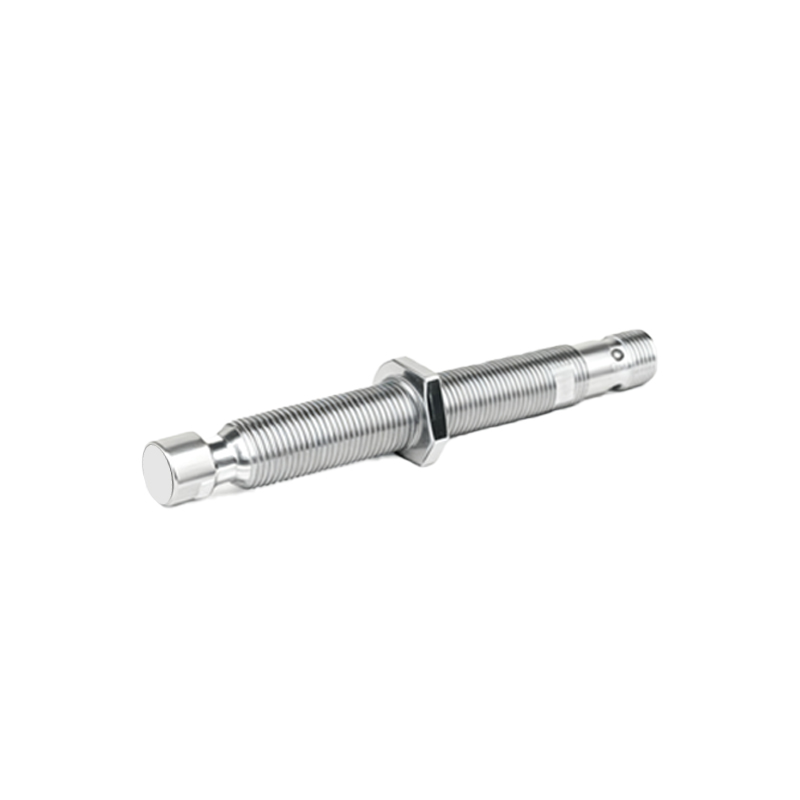
Capacitive sensors, on the other hand, can detect nearly any material—metals, plastics, glass, liquids, and granular substances. They function by measuring changes in capacitance between the sensor's active surface and the ground. The sensor forms one plate of a capacitor, the target object forms the other, and the air gap is the dielectric. The arrival of any object alters this dielectric constant, increasing the capacitance and triggering the output. This makes them perfect for level detection in tanks (liquid or powder), monitoring presence of non-metallic materials like wood or cardboard, and detecting filled containers through thin walls.
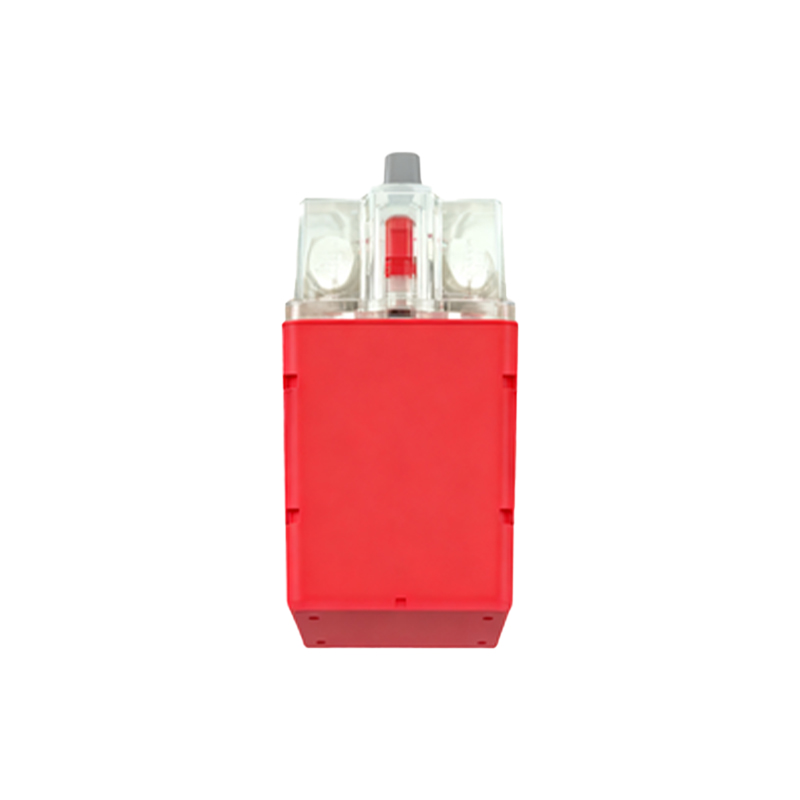
Photoelectric sensors utilize light beams, usually infrared or laser, for detection. The through-beam type, with separate emitter and receiver units, offers the longest range and highest reliability for object interruption. The retro-reflective type uses a reflector, while the diffuse reflective type detects light bounced directly from the target. The digital versions provide precise teach-in capabilities for range setting. They are indispensable in packaging machinery, material handling for transparent object detection, and automated assembly lines where long-range or precise positioning is required.
The integration of digital displays and IO-Link communication protocol represents the current evolution. IO-Link transforms a simple proximity switch into an intelligent device capable of transmitting detailed parameter and diagnostic data (e.g., operating hours, temperature, signal quality) to the control system. This facilitates predictive maintenance, remote configuration, and seamless integration into Industry 4.0 frameworks. When selecting a digital proximity sensor, critical parameters include sensing distance (rated and effective), repeat accuracy, response frequency, housing material (e.g., stainless steel for washdown areas), and environmental ratings like IP67 or IP69K for protection against water and dust.
In application, these sensors form the sensory nervous system of automated plants. From ensuring a robotic gripper has correctly picked up a component, to verifying the position of a cylinder in a pneumatic system, to counting bottles on a high-speed filling line, digital proximity switches provide the essential, reliable data for decision-making. Their non-contact nature eliminates wear and tear, ensuring millions of reliable operating cycles. The digital display empowers maintenance personnel to quickly verify operation and diagnose issues like sensing distance drift or supply voltage fluctuations, thereby reducing machine downtime.
As industries push towards smarter, more connected, and more flexible manufacturing, the role of the digital proximity sensor continues to expand. Their evolution from a simple switch to a smart, communicative node underscores their critical importance in building efficient, resilient, and intelligent industrial automation systems. The combination of rugged design, precise digital feedback, and networking capabilities ensures they will remain a cornerstone of industrial sensing for the foreseeable future.