In the realm of industrial automation, precision measurement is paramount. Among the plethora of sensing technologies available, the infrared laser distance sensor stands out for its remarkable accuracy, speed, and versatility. This article delves into the operational principles, key applications, and critical selection criteria for these sophisticated devices, providing a comprehensive guide for electrical and automation engineers.
At its core, an infrared laser distance sensor operates on the principle of time-of-flight (ToF) or phase-shift measurement. The sensor emits a modulated beam of infrared laser light, typically at a wavelength of 850nm or 905nm, which is invisible to the human eye for safety and reduced ambient light interference. This coherent light pulse travels to the target object and reflects back to a receiver within the sensor. By precisely calculating the time delay between emission and reception (ToF method) or analyzing the phase shift of the modulated signal, the sensor's internal processor computes the distance with high resolution. Modern sensors achieve sub-millimeter accuracy even at ranges of several meters, a feat unattainable by traditional ultrasonic or simple infrared sensors.
The advantages of infrared laser sensors are numerous. Their non-contact nature eliminates mechanical wear and prevents damage to delicate surfaces. The focused laser beam allows for precise measurement of small objects or edges, minimizing the impact of background objects. Furthermore, they exhibit excellent performance across various surface types, though highly reflective or absorbent materials may require specific calibration. Their response time is exceptionally fast, often in the microsecond range, making them ideal for high-speed production lines and dynamic measurement tasks.

In industrial settings, the applications are vast and critical. A primary use is in positioning and dimension control. For instance, in automotive assembly, these sensors verify the precise placement of components like windshields or door panels. In robotics, they provide essential feedback for arm positioning and object handling, enabling precise pick-and-place operations. They are indispensable in warehouse automation for pallet profiling, height detection, and guiding automated guided vehicles (AGVs). Another significant application is fill-level monitoring in tanks and silos, where they provide continuous, reliable data without physical contact with the material. Additionally, they are used in roll diameter measurement in paper, plastic, and metal rolling mills, ensuring consistent product quality.
When selecting an infrared laser distance sensor for a specific project, engineers must consider several key parameters beyond just measuring range. The required accuracy and repeatability are paramount; always specify the needed tolerance. The measurement rate or frequency must match the process speed. The size of the laser spot is crucial—a smaller spot allows for more precise targeting but may struggle with rough or uneven surfaces. Environmental factors cannot be overlooked. Sensors must have appropriate ingress protection (IP) ratings (e.g., IP67) for dusty or wet environments. Temperature stability is vital for installations near ovens or in unregulated spaces. The type of output interface—analog (4-20mA, 0-10V), digital (RS-485, Ethernet/IP, PROFINET), or switching—must integrate seamlessly with the existing PLC or control system. Finally, consider mounting options, alignment aids (like built-in visible pilot lasers), and the availability of robust housings for harsh industrial environments.
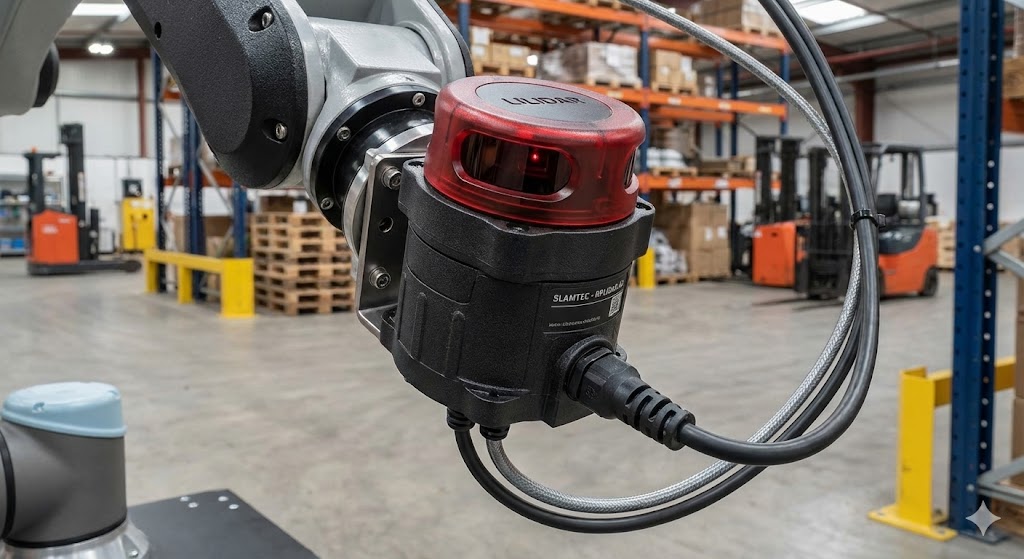
Installation and maintenance also demand attention. Proper alignment is critical for optimal performance. Avoiding optical interference from other strong light sources or reflective surfaces in the background is necessary. Regular cleaning of the lens is a simple but essential maintenance task to ensure consistent signal strength. Many modern sensors feature advanced diagnostics and condition monitoring, alerting operators to potential issues like lens contamination or weakening signal.
Looking ahead, the integration of infrared laser sensors with Industrial Internet of Things (IIoT) platforms is a growing trend. Smart sensors with embedded intelligence can perform edge computing, such as statistical analysis or trend prediction, sending processed data directly to cloud systems. This facilitates predictive maintenance and deeper process optimization.
In conclusion, the infrared laser distance sensor is a cornerstone technology in modern industrial measurement. Its blend of precision, speed, and robustness solves complex challenges across manufacturing, logistics, and process industries. By thoroughly understanding its principles and carefully evaluating application requirements against sensor specifications, engineers can effectively harness this technology to enhance automation, improve quality control, and drive operational efficiency. The ongoing evolution towards smarter, more connected sensors promises to further expand their role in the factories of the future.