In the intricate world of modern electronics and industrial automation, proximity sensors stand as fundamental components, enabling machines to perceive their environment without physical contact. These devices detect the presence or absence of an object within a specified range, providing critical data for control systems. Their operation hinges on various physical principles, primarily electromagnetic fields, capacitance, and light. The most prevalent types include inductive, capacitive, ultrasonic, and photoelectric sensors, each tailored for specific materials and environmental conditions.
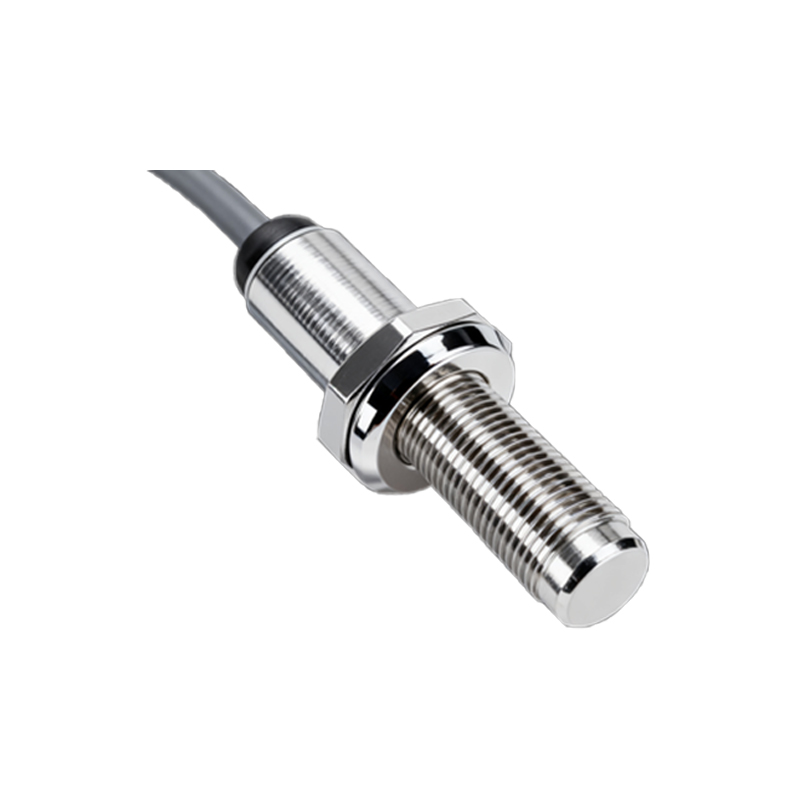
Inductive proximity sensors are the workhorses in metal detection. They generate an oscillating electromagnetic field. When a metallic object enters this field, it induces eddy currents within the object, causing a change in the sensor's oscillation amplitude. This change is detected and converted into a switch signal. Renowned for their robustness, high switching frequency, and immunity to non-metallic contaminants like dust or oil, they are indispensable in machine tools, automotive assembly, and material handling. However, their limitation is clear: they are ineffective for non-metallic targets.
For non-metallic materials such as plastics, wood, liquids, or granular substances, capacitive proximity sensors are the ideal choice. They function by generating an electrostatic field. Any object with a dielectric constant different from air alters the capacitance of the sensor's circuit, triggering detection. This makes them perfect for level detection in tanks, presence sensing of plastic components, or even detecting powdered materials. Their sensitivity is adjustable, but they can be influenced by environmental factors like humidity or temperature variations.
Photoelectric sensors utilize light beams, typically infrared or laser, to detect objects. They come in three main configurations: through-beam (separate emitter and receiver), retro-reflective (using a reflector), and diffuse (reflective), where the sensor detects light bounced back from the target. Offering the longest sensing ranges among standard proximity sensors, they excel in packaging, object counting, and complex assembly lines. Their performance can be compromised by ambient light, color, or surface reflectivity of the target.
Ultrasonic sensors operate on a sonar principle, emitting high-frequency sound waves and measuring the time for the echo to return. They are excellent for detecting objects of virtually any material, shape, or color, and are particularly adept at distance measurement and level sensing in challenging environments with dust, fog, or varying light conditions. Their downside includes a slower response time compared to inductive or photoelectric types and potential interference from air turbulence or temperature gradients.
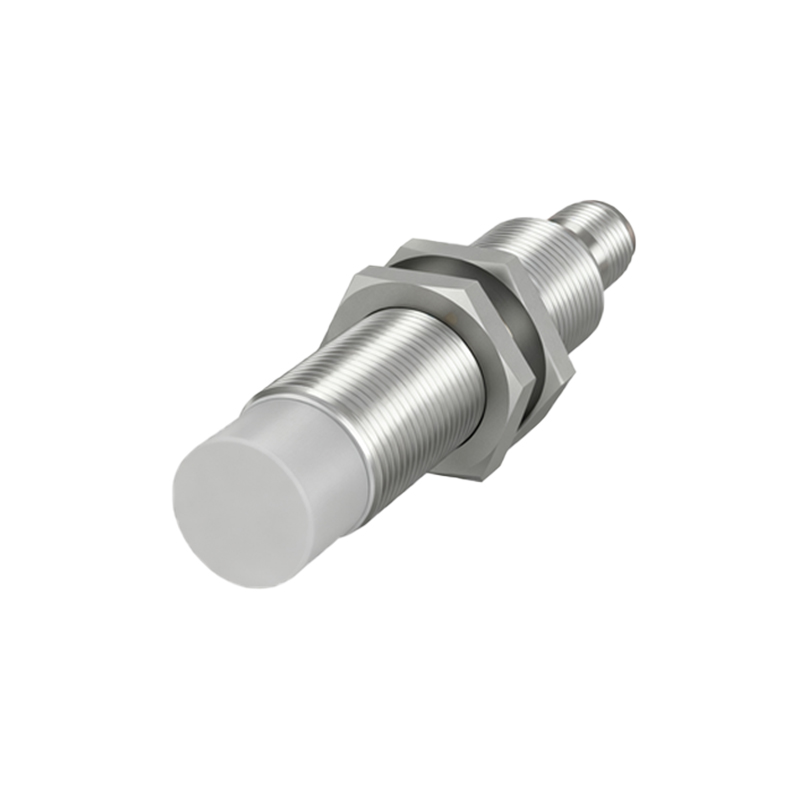
Selecting the appropriate proximity sensor requires a meticulous analysis of the application. Key parameters include the target material, required sensing distance, environmental conditions (temperature, pressure, contaminants), response speed, output type (PNP/NPN, analog, IO-Link), and electrical requirements. For instance, a wet, dusty factory floor detecting metal pallets would call for a shielded inductive sensor, while a cleanroom bottling line detecting glass vials might employ a diffuse photoelectric sensor.
The integration of Industry 4.0 and the Industrial Internet of Things (IIoT) is pushing proximity sensors toward smarter functionalities. Modern sensors now feature advanced diagnostics, predictive maintenance capabilities, and digital communication protocols like IO-Link. This allows for remote configuration, real-time monitoring of sensor health, and seamless data integration into higher-level control systems, enhancing overall operational efficiency and reducing downtime.
In conclusion, proximity sensors are pivotal enablers of automation, providing the essential "sense of touch" to electronic systems. A deep understanding of their operating principles, types, and limitations is crucial for engineers and technicians to design reliable, efficient, and intelligent automated solutions. As technology evolves, these components will continue to become more integrated, intelligent, and vital to the advancement of electronics and industrial automation.