Spherical proximity switch sensors represent a critical advancement in industrial sensing technology, designed to detect the presence or absence of objects without physical contact. These sensors utilize a spherical detection field, enabling omnidirectional sensing capabilities that are particularly valuable in complex automation environments. Unlike traditional cylindrical or rectangular sensors, the spherical design allows for more flexible installation and reliable detection from multiple angles, reducing blind spots and improving system efficiency.
The operational principle of spherical proximity switches typically involves electromagnetic, capacitive, or inductive technologies. Inductive variants, for instance, generate an oscillating electromagnetic field around the sensor's spherical surface. When a metallic object enters this field, it alters the oscillation parameters, triggering a switch signal. This non-contact detection method minimizes wear and tear, ensuring longevity and reducing maintenance needs in harsh industrial settings such as manufacturing lines, robotic arms, and material handling systems.
Key advantages of spherical proximity sensors include their high sensitivity and adaptability. The spherical detection zone can cover a wider area compared to directional sensors, making them ideal for applications where object orientation varies. For example, in packaging machinery, these sensors can detect irregularly shaped items regardless of their alignment, enhancing process reliability. Additionally, many models feature adjustable sensing ranges and output configurations (e.g., PNP/NPN, analog, or digital signals), allowing seamless integration with PLCs and control systems.
Durability is another hallmark of spherical proximity switches. Constructed from robust materials like stainless steel or engineering plastics, they withstand extreme conditions, including dust, moisture, vibrations, and temperature fluctuations. This resilience ensures consistent performance in industries like automotive, food processing, and logistics, where sensor failure can lead to costly downtime.
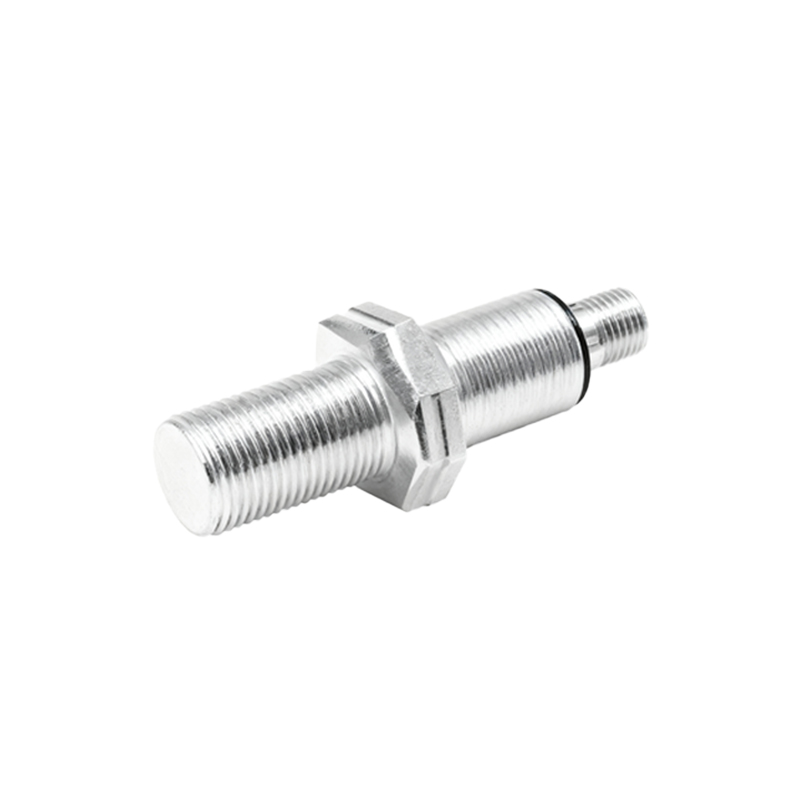
When selecting a spherical proximity sensor, engineers must consider factors such as sensing distance, response time, and environmental compatibility. For instance, in high-speed automation, a fast response time (often in milliseconds) is crucial to maintain throughput. Similarly, in explosive atmospheres, intrinsically safe or explosion-proof certifications may be required. Regular calibration and testing are recommended to optimize sensor performance over time.
In summary, spherical proximity switch sensors offer a versatile and reliable solution for modern industrial automation. Their omnidirectional detection, combined with rugged design and technological flexibility, supports enhanced operational safety and productivity. As industries evolve toward smarter, more interconnected systems, these sensors will continue to play a pivotal role in enabling precise and efficient object detection.