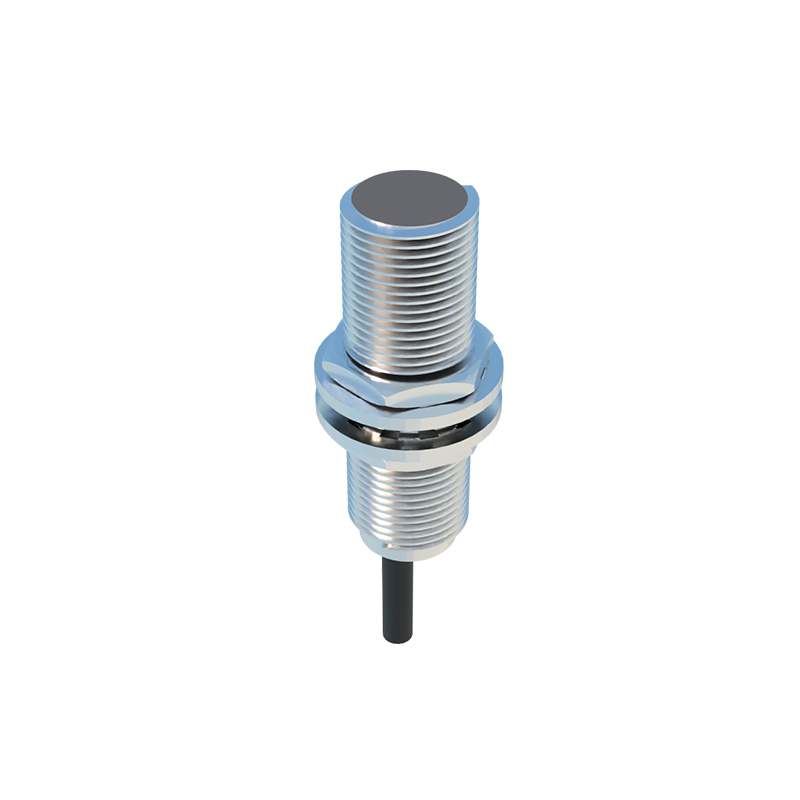
In the realm of industrial automation and control systems, proximity sensors play a pivotal role in enhancing operational efficiency, safety, and reliability. The purpose of selecting appropriate proximity sensors extends far beyond mere detection; it encompasses a strategic alignment with specific application requirements, environmental conditions, and long-term performance goals. This article delves into the key objectives behind choosing proximity sensors, highlighting their significance in modern engineering practices.
First and foremost, the primary purpose of selecting proximity sensors is to enable non-contact detection of objects. Unlike mechanical switches that require physical contact, proximity sensors operate by emitting electromagnetic fields, ultrasonic waves, or infrared signals to sense the presence, absence, or position of target objects. This non-contact nature minimizes wear and tear, reduces maintenance costs, and extends the sensor's lifespan, making them ideal for high-speed or repetitive operations in manufacturing lines, robotics, and conveyor systems. For instance, in automotive assembly plants, inductive proximity sensors are commonly used to detect metal components without direct interaction, ensuring seamless production flow.
Another critical purpose is to enhance safety in hazardous environments. Proximity sensors can be engineered to function reliably in extreme conditions, such as high temperatures, corrosive atmospheres, or explosive areas. By selecting sensors with appropriate ingress protection (IP) ratings and material constructions, engineers can prevent accidents and protect both personnel and equipment. For example, capacitive proximity sensors are often deployed in chemical processing units to monitor liquid levels in tanks, eliminating the risk of leaks or spills that could lead to dangerous incidents.
Precision and accuracy are also fundamental reasons for sensor selection. Different types of proximity sensors—such as inductive, capacitive, ultrasonic, and photoelectric—offer varying levels of sensitivity and detection ranges. Choosing the right sensor ensures accurate measurement and control, which is crucial in applications like packaging machinery, where precise object positioning is necessary to avoid errors and waste. Ultrasonic sensors, with their ability to detect diverse materials regardless of color or transparency, are frequently selected for tasks requiring consistent performance in variable conditions.
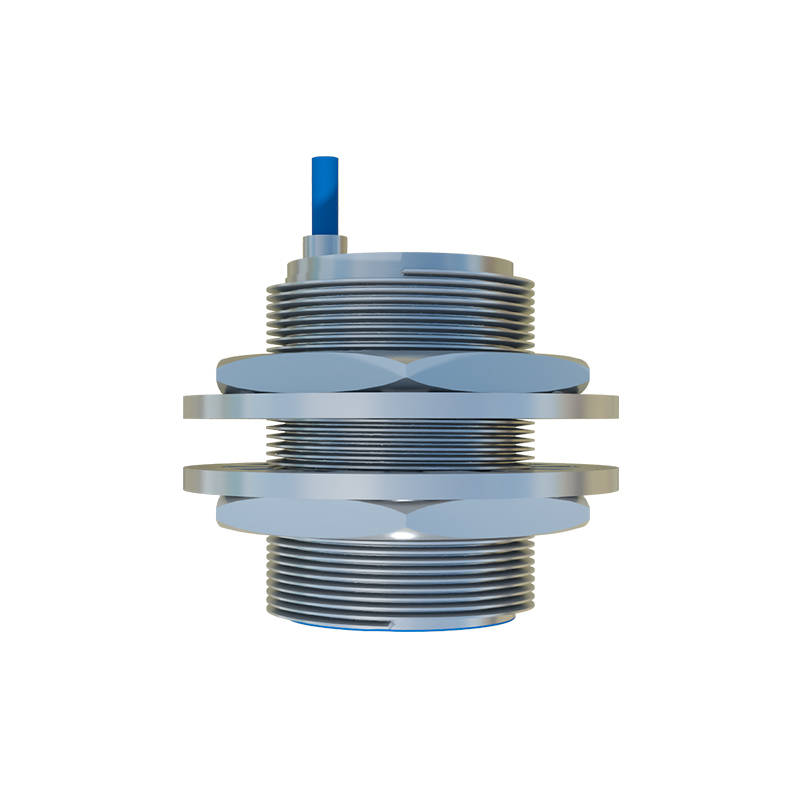
Energy efficiency and cost-effectiveness further drive the selection process. Modern proximity sensors are designed with low power consumption and durable components, contributing to reduced operational expenses over time. By opting for sensors that align with the specific demands of an application, companies can optimize resource utilization and achieve sustainable operations. For instance, in warehouse automation, photoelectric sensors with energy-saving modes help minimize electricity usage while maintaining reliable object detection on sorting lines.
Moreover, the purpose of selecting proximity sensors includes ensuring compatibility with existing control systems and communication protocols. With the rise of Industry 4.0 and the Internet of Things (IoT), sensors must integrate seamlessly with programmable logic controllers (PLCs), human-machine interfaces (HMIs), and data networks. Selecting sensors that support standard protocols like IO-Link or PROFINET facilitates real-time monitoring, predictive maintenance, and data analytics, enabling smarter decision-making and improved productivity.
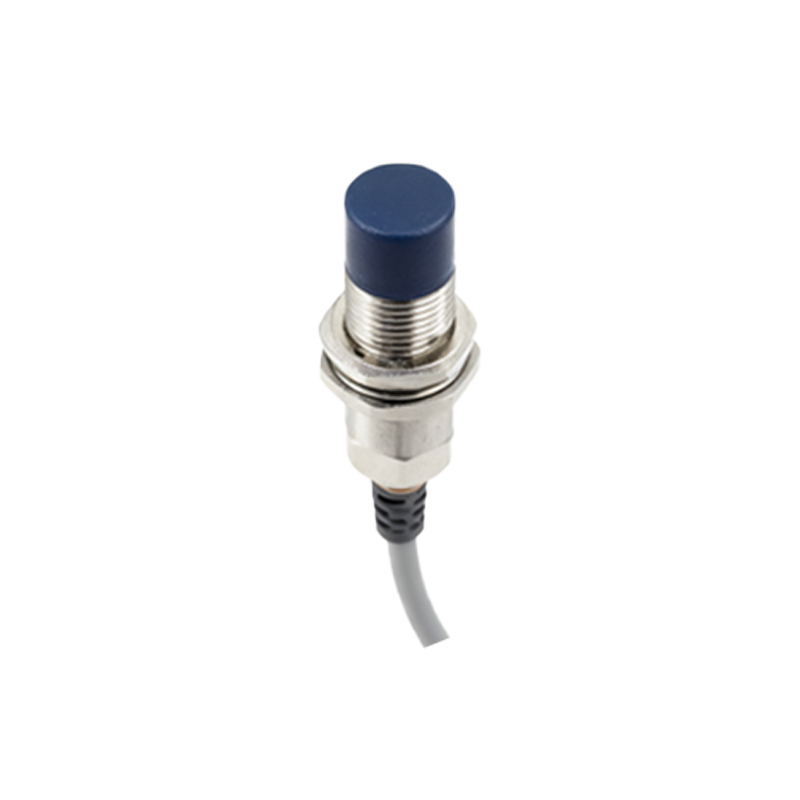
In summary, the purpose of selecting proximity sensors is multifaceted, focusing on non-contact operation, safety enhancement, precision, energy savings, and system integration. By carefully evaluating factors such as detection range, environmental resilience, and technological compatibility, engineers can choose sensors that not only meet immediate needs but also support long-term industrial goals. As automation continues to evolve, the strategic selection of proximity sensors will remain a cornerstone of efficient and innovative engineering solutions.