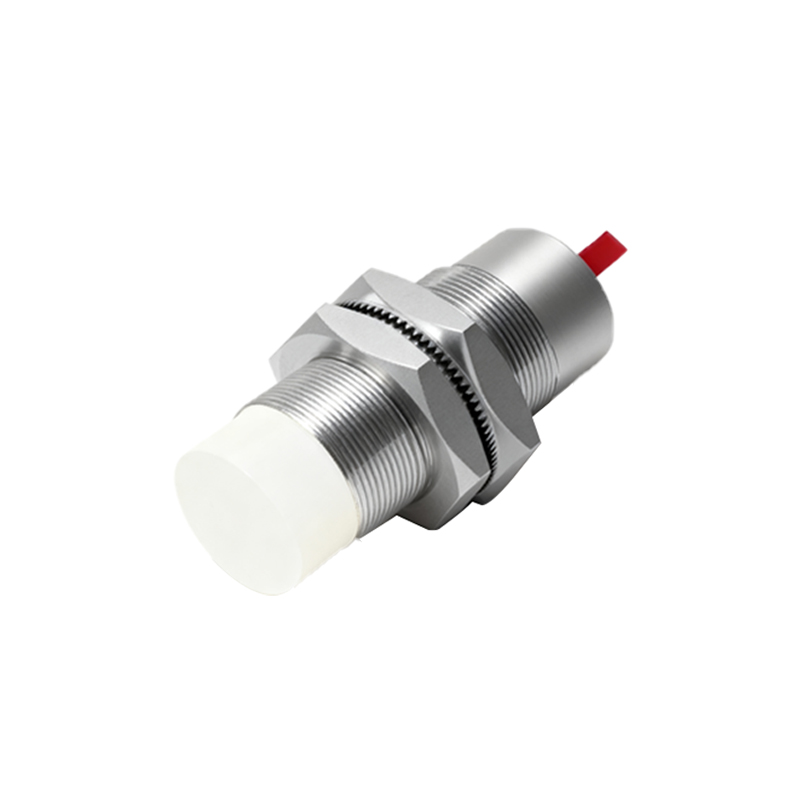
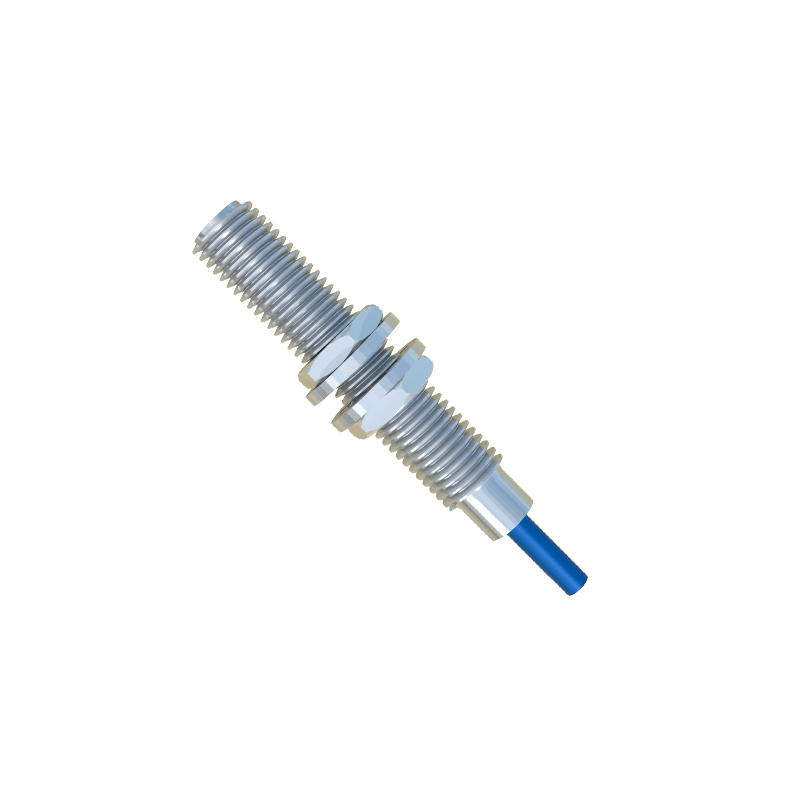
In the realm of electrical engineering and automation, proximity and light sensors are fundamental components, acting as the "eyes" of a system. Their reliable operation hinges on a clear understanding of their standard values and specifications. These values are not arbitrary; they are defined by international standards, datasheet parameters, and application-specific requirements, ensuring interoperability, safety, and predictable performance. This article delves into the key standard values engineers must consider when selecting and integrating these sensors.
For proximity sensors, typically inductive, capacitive, or photoelectric types, several standard parameters are paramount. The standard sensing distance (Sn) is the nominal operating distance under defined conditions, as per IEC 60947-5-2. This is not the maximum possible distance but a guaranteed, repeatable value. Engineers must never design at the theoretical maximum; a derating factor of 70-80% of Sn is common practice for reliable operation, accounting for supply voltage tolerances, temperature fluctuations, and target material variations (crucial for inductive sensors). Another critical standard value is the hysteresis (H). Expressed as a percentage of the sensing distance, hysteresis prevents output chatter when a target is at the exact threshold. A typical standard hysteresis is 3-15% of Sn. The standard target is also defined: for inductive sensors, it's usually a square of mild steel (Fe360) with a side length equal to the sensor's diameter or the sensing distance (whichever is greater) and a thickness of 1mm. Deviating from this standard target directly affects the actual sensing distance.
Output characteristics are standardized for interfacing with Programmable Logic Controllers (PLCs) and other control systems. The standard output configurations are PNP (sourcing) or NPN (sinking), with defined voltage levels (e.g., 24 VDC ±20% is an industry standard). The switching frequency or response time is a key dynamic value, specifying how quickly the sensor can detect a passing object. Standard values range from sub-millisecond for high-speed applications to tens of milliseconds for general purposes. Protection ratings, standardized under IEC 60529 as IP (Ingress Protection) codes (e.g., IP67, IP69K), are non-negotiable values for environmental resilience against dust and water.
For light sensors, including ambient light sensors (ALS) and photoelectric proximity sensors, standard values revolve around light measurement. The spectral response is standardized to match the human eye's photopic response (Vλ curve) for illuminance sensors or to specific wavelengths for other applications. Key standard measurement units are lux (lx) for illuminance and candelas per square meter (cd/m²) for luminance. Sensor datasheets provide standard values for measurement range (e.g., 0.1 lux to 100,000 lux), resolution, and accuracy (often as a percentage of the reading). For photoelectric sensors used in proximity detection, the standard detection reflectivity is defined, often using a standard Kodak white (90% reflectivity) card for diffuse sensors. The light-on/dark-on operation is a standard functional mode that must be configured correctly for the control logic.
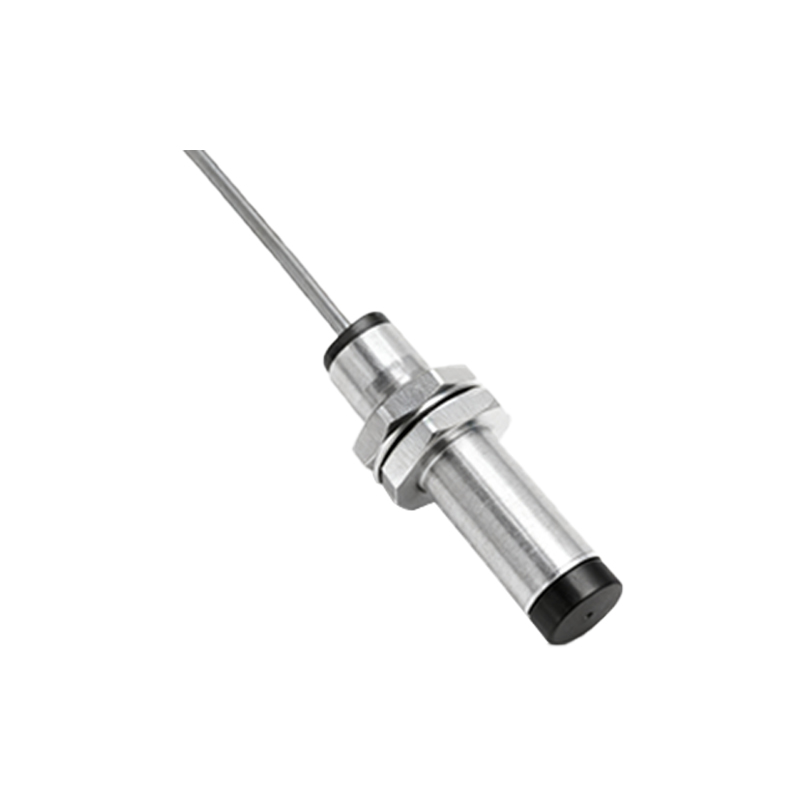
Environmental standard values are critical for both sensor types. The operating temperature range is a fundamental specification, with industrial standards commonly spanning -25°C to +70°C. Temperature drift coefficients for sensing distance or light sensitivity are provided in datasheets. EMC (Electromagnetic Compatibility) standards, such as IEC 61000-6-2 (immunity) and IEC 61000-6-4 (emissions), define the levels of electromagnetic interference the sensor can withstand and not emit, ensuring stable operation in electrically noisy industrial environments.
Beyond component-level standards, system integration introduces another layer of standard values. The repeatability of sensing, often a microscopic distance or a fraction of a lux, is more crucial than absolute accuracy for many positioning or threshold applications. Standard testing protocols, as per UL, CE, or RoHS directives, confirm that the sensor meets safety and environmental compliance values.
In practical application, an engineer's workflow involves: 1. Defining the application requirement (what needs to be detected, at what distance, in what environment). 2. Consulting sensor datasheets to match standard sensing distance (Sn), output type, protection rating (IP), and temperature range. 3. Applying necessary derating factors (e.g., 0.8 x Sn for sensing distance, derating for non-standard targets). 4. Verifying that the switching frequency meets the process speed and that the supply voltage matches the available power bus. 5. Ensuring mounting and