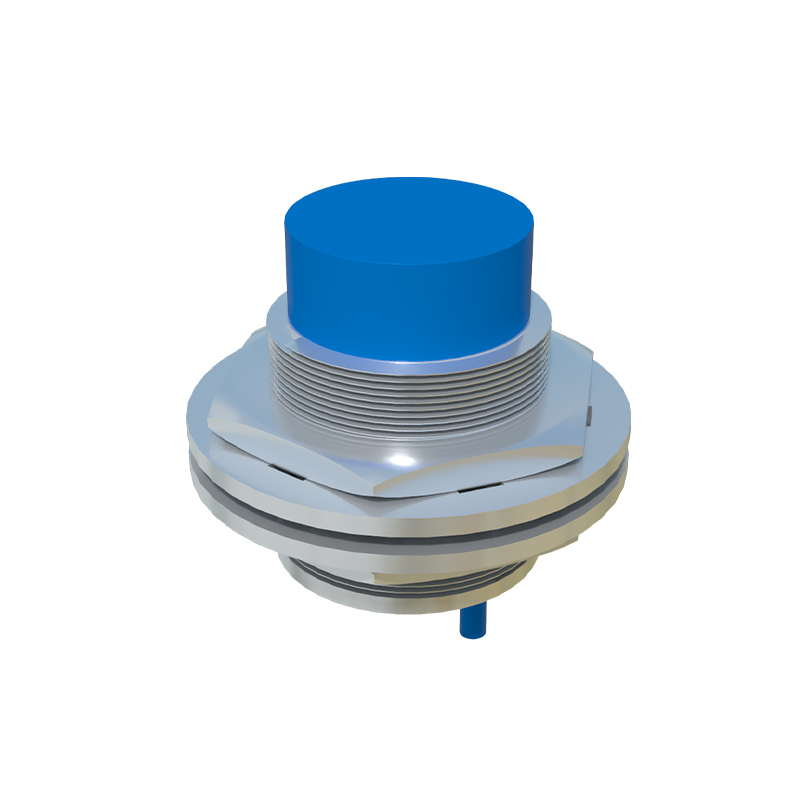
In the realm of industrial automation and control systems, the selection of reliable sensing components is paramount. Among these, PNP proximity sensors stand out for their robustness and specific output configuration, making them a staple in countless applications. For engineers, maintenance technicians, and procurement specialists sourcing these critical components, JD Self-Operated has emerged as a significant channel, offering a blend of convenience, assurance, and variety. This article delves into the technical specifics of PNP proximity sensors and provides a practical guide to navigating their offerings on the JD Self-Operated platform.
Technically, a PNP proximity sensor is a solid-state electronic device designed to detect the presence or absence of a metallic object without physical contact. The "PNP" designation refers to the type of transistor output it employs. In a PNP configuration, the output wire switches to a positive voltage (typically +24V DC) when a target is detected. This is often described as "sourcing" output, as the sensor provides the positive supply voltage to the load (e.g., a PLC input, relay, or indicator). This contrasts with NPN sensors, which "sink" current to ground. Understanding this distinction is crucial for proper integration into control circuits to avoid compatibility issues.
Key performance parameters for PNP proximity sensors include sensing range, repeat accuracy, response frequency, housing material (often nickel-plated brass or stainless steel), and environmental protection ratings like IP67 or IP69K. Inductive sensors, the most common type for metal detection, are valued for their durability in harsh industrial environments—resistant to dust, oil, and coolant splashes. When browsing JD Self-Operated, one will find listings from reputable global brands like Siemens, Omron, Schneider Electric, and Pepperl+Fuchs, alongside reliable domestic manufacturers. Product pages typically detail these specifications, allowing for precise technical comparison.
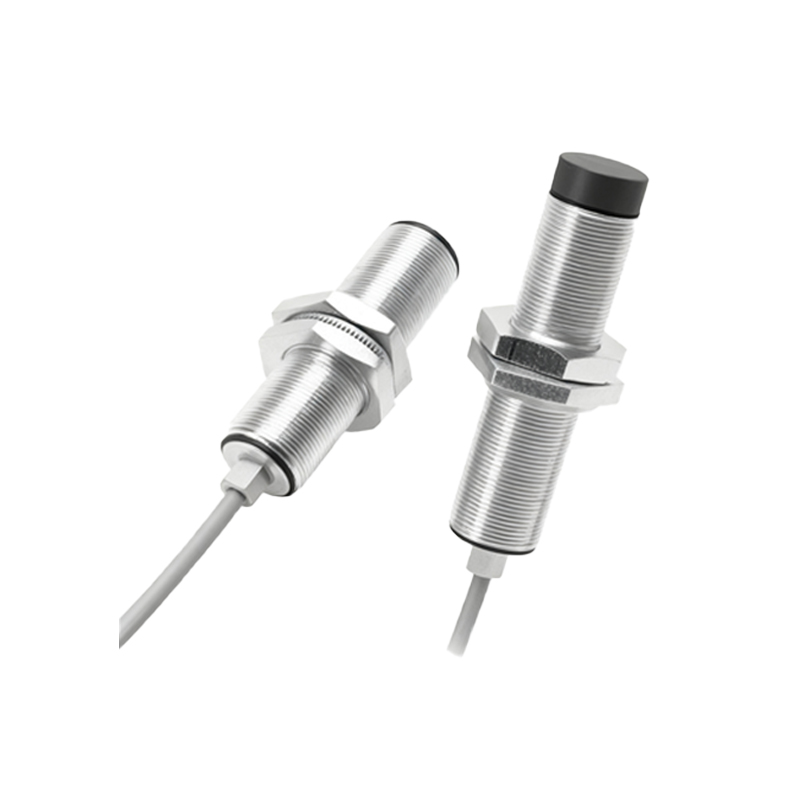
The advantage of procuring through JD Self-Operated lies in its structured supply chain and service promises. For industrial buyers, factors such as product authenticity, consistent availability, and logistical reliability are as critical as the price point. JD Self-Operated, by managing inventory and fulfillment directly, provides a higher degree of certainty regarding these aspects. The platform often features genuine products with manufacturer warranties, reducing the risk of counterfeit components that can lead to system failures and downtime. Furthermore, the streamlined search filters enable users to narrow selections by brand, sensing distance, thread size (e.g., M8, M12, M18, M30), and output configuration with ease.
Procurement best practices on the platform involve a meticulous approach. First, confirm the exact technical requirement: Is it a shielded (flush-mountable) or unshielded sensor? What is the required operating voltage range? Does the application demand normally open (NO) or normally closed (NC) logic? Once these are defined, use the precise keywords in the search bar, such as "PNP inductive proximity sensor M12 4mm." Carefully review the product descriptions, specification sheets (often available for download), and customer reviews, which can offer insights into real-world performance and durability. Pay close attention to the connector type; many sensors are offered with pre-wired cables or quick-disconnect plugs.
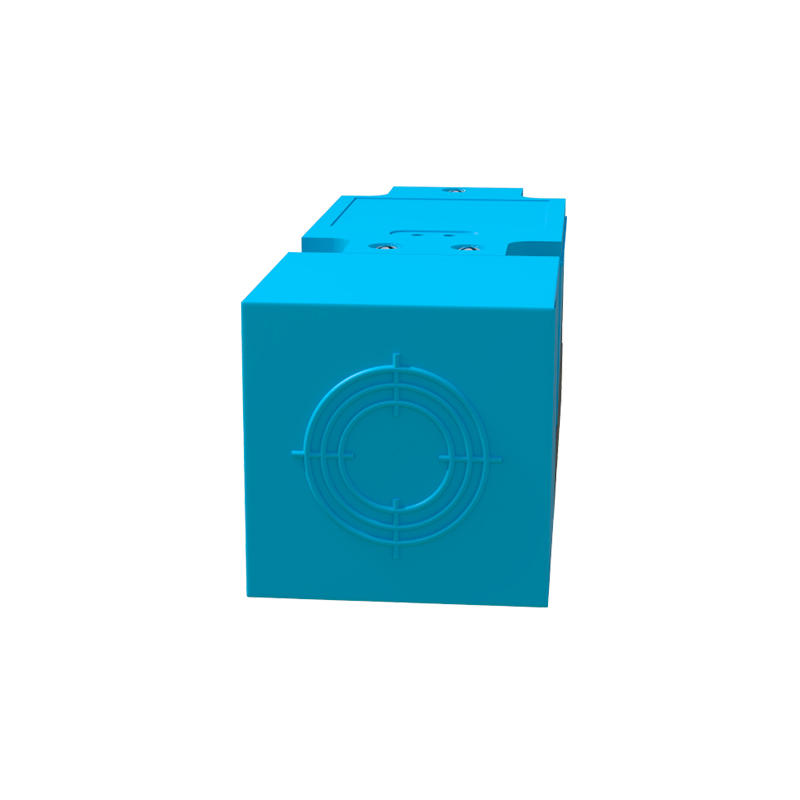
Another significant consideration is the total cost of ownership. While JD Self-Operated frequently offers competitive pricing and promotional events, the value extends beyond the unit price. Reliable delivery schedules ensure production lines are not halted waiting for parts. The platform's return and warranty policies provide a safety net for defective or incorrect items. For frequent buyers, establishing a corporate account can facilitate bulk purchasing and potentially unlock better commercial terms.
In conclusion, JD Self-Operated serves as a powerful and efficient procurement tool for industrial components like PNP proximity sensors. By marrying a deep understanding of the sensor's technical role—a sourcing, solid-state switch for automation—with the strategic use of a trusted e-commerce platform, engineers and purchasers can secure the high-quality components necessary for maintaining efficient and resilient automated systems. The platform's curated selection, detailed product information, and reliable logistics bridge the gap between critical technical needs and commercial procurement efficiency.