In the intricate landscape of industrial automation and process control, the precise detection of objects and the monitoring of environmental conditions are paramount. Among the suite of sensors employed, proximity airflow sensors stand out as versatile and critical components. These devices, which detect the presence or absence of an object based on changes in air pressure or flow, offer unique advantages in environments where traditional contact or optical sensors may falter due to contamination, target material, or harsh conditions.
At its core, a proximity airflow sensor operates on a simple yet effective pneumatic principle. The sensor incorporates a precision air nozzle that emits a constant, laminar stream of air. When an object approaches the sensing area, it disrupts this airflow. This disruption causes a backpressure change within the sensor's internal chamber. A highly sensitive pressure transducer or a diaphragm mechanism within the sensor detects this minute pressure variation. The sensor's electronic circuitry then converts this physical change into a clear electrical signal, typically a switch output (ON/OFF) or an analog signal proportional to the distance or the degree of interruption. This non-contact method is the defining characteristic, eliminating mechanical wear and allowing for the detection of fragile, hot, or vibrating objects without physical interaction.
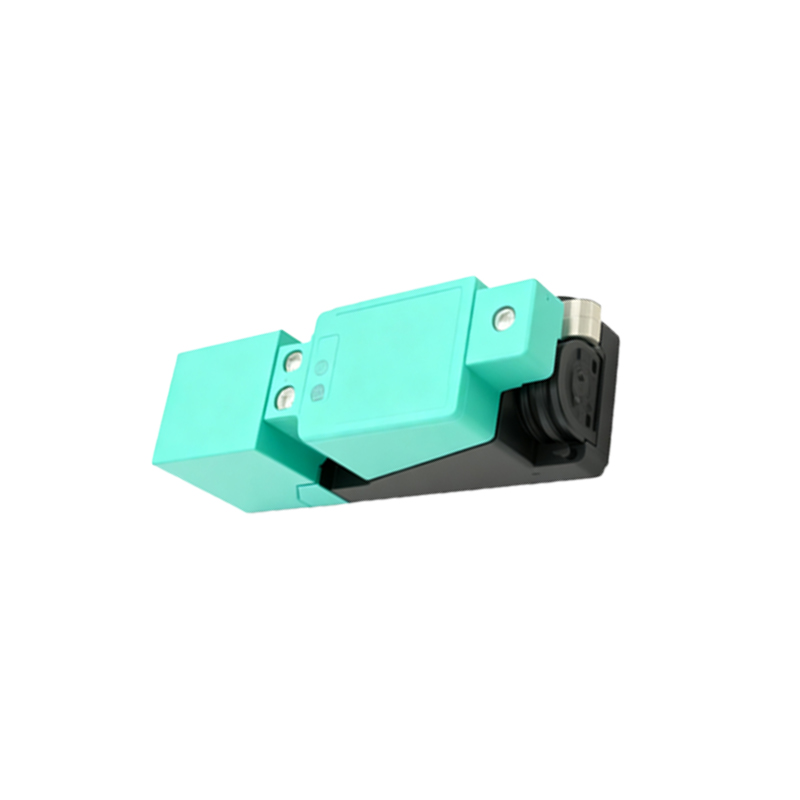
The applications for proximity airflow sensors are vast and varied across multiple industries. In packaging machinery, they are indispensable for detecting the presence of lightweight, flimsy, or transparent materials like plastic films, labels, or empty containers that might confuse photoelectric sensors. The automotive manufacturing sector relies on them for verifying part placement on assembly lines, such as checking if a gasket is seated correctly or if a panel is present before a welding operation, as they are immune to sparks and oil mist. In the wood and paper industries, these sensors reliably detect warped boards, stacked sheets, or the edge of material webs, where consistent performance despite dust and debris is crucial. Furthermore, they find use in robotics for precise positioning and in cleanroom environments for semiconductor manufacturing, where their non-invasive nature prevents contamination.
Selecting the appropriate proximity airflow sensor requires careful consideration of several key parameters. First, the sensing distance is critical; it must be compatible with the application's mechanical layout. These sensors typically offer ranges from a few millimeters up to around 20 mm. Response time is another vital factor, especially in high-speed production lines, where milliseconds count. The sensor must be able to keep pace with the machine's cycle time. The required output type must be specified: a digital PNP/NPN switch for simple presence detection, or an analog 4-20 mA or 0-10 V output for distance-proportional measurement. Environmental robustness is non-negotiable in industrial settings. Look for sensors with high Ingress Protection (IP) ratings (e.g., IP67) to withstand dust and water jets, and ensure the housing material (often stainless steel or rugged polymers) can resist chemicals, oils, and physical impacts. The supply air pressure and consumption rate are also practical concerns, as they must align with the plant's existing pneumatic infrastructure.
Installation and maintenance practices significantly impact sensor longevity and reliability. Proper mounting is essential to ensure the air stream is perpendicular to the target surface for optimal sensitivity. The air supply must be clean and dry; incorporating a filter-regulator-lubricator (FRL) unit upstream is highly recommended to prevent clogging of the fine nozzle orifice by particulates or moisture. Regular calibration checks, following the manufacturer's guidelines, help maintain accuracy over time. A common troubleshooting step involves checking for blockages in the air nozzle and verifying the stability of the supply pressure.
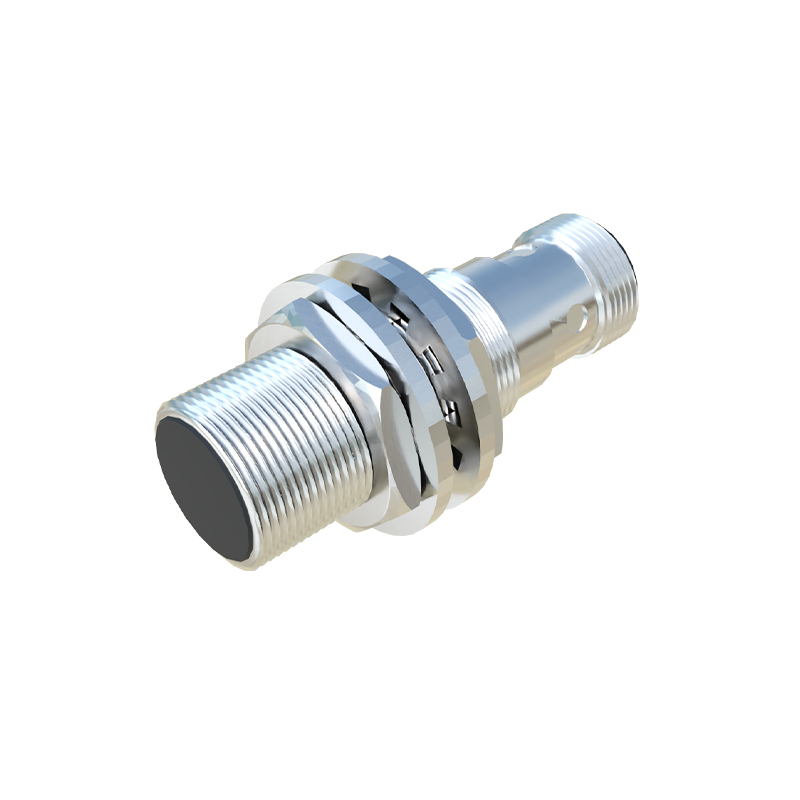
When compared to other non-contact sensors like inductive, capacitive, or photoelectric types, proximity airflow sensors carve out a distinct niche. Unlike inductive sensors, they detect any material, not just metals. Compared to capacitive sensors, they are less sensitive to environmental changes like humidity. Versus photoelectric sensors, they perform reliably on transparent objects and in dirty, foggy, or dusty atmospheres where light beams can scatter or be obscured. Their primary limitation is the need for a compressed air source, which may not be available in all settings, and they generally have a shorter sensing range than some laser-based sensors.
In conclusion, proximity airflow sensors are sophisticated instruments that translate subtle pneumatic changes into reliable control signals. Their non-contact nature, material independence, and resilience in challenging environments make them a robust solution for countless automation challenges. A thorough understanding of their operating principle, coupled with a methodical approach to selection based on application-specific requirements—sensing distance, speed, output needs, and environmental factors—enables engineers to leverage their full potential. As automation continues to evolve towards greater precision and reliability, the role of these pneumatic sentinels in ensuring seamless, efficient, and fault-tolerant operations remains firmly established.