In the realm of industrial automation, proximity sensor switches stand as silent sentinels, enabling seamless machine operation, precise object detection, and enhanced safety protocols. These critical components are the eyes and ears of modern manufacturing lines, robotics, and material handling systems. While many companies assemble or distribute these devices, the true origin of quality, innovation, and reliability lies within the source factory. A dedicated proximity sensor switch source factory is not merely a manufacturing facility; it is the epicenter of engineering excellence, where raw materials are transformed into the intelligent devices that drive Industry 4.0.
The core advantage of partnering with or sourcing from a specialized source factory is vertical integration. Such a factory controls the entire production process, from the initial design and prototyping of inductive, capacitive, and magnetic proximity sensors to the precision machining of housings, the winding of coils, the assembly of integrated circuits, and the final rigorous testing. This end-to-end control ensures uncompromising quality at every stage. Engineers can tailor designs for specific applications—be it a high-temperature foundry, a washdown food processing environment, or a high-speed packaging machine—by adjusting sensing ranges, housing materials (like nickel-plated brass or stainless steel), and output configurations (PNP/NPN, NO/NC). This level of customization is often constrained when dealing with intermediaries or generic suppliers.
At the heart of the source factory is research and development. Leading factories invest significantly in R&D to push the boundaries of sensing technology. This includes developing sensors with extended sensing distances, improved immunity to electromagnetic interference (EMI), and enhanced resistance to environmental factors such as dust, oils, and coolants. Innovations like analog output sensors for distance measurement, factor-1 metal sensing capabilities, and miniaturized designs for tight spaces are born in these labs. The factory's engineering team works directly with client specifications, creating prototypes and conducting failure mode analysis to ensure the final product exceeds operational expectations.
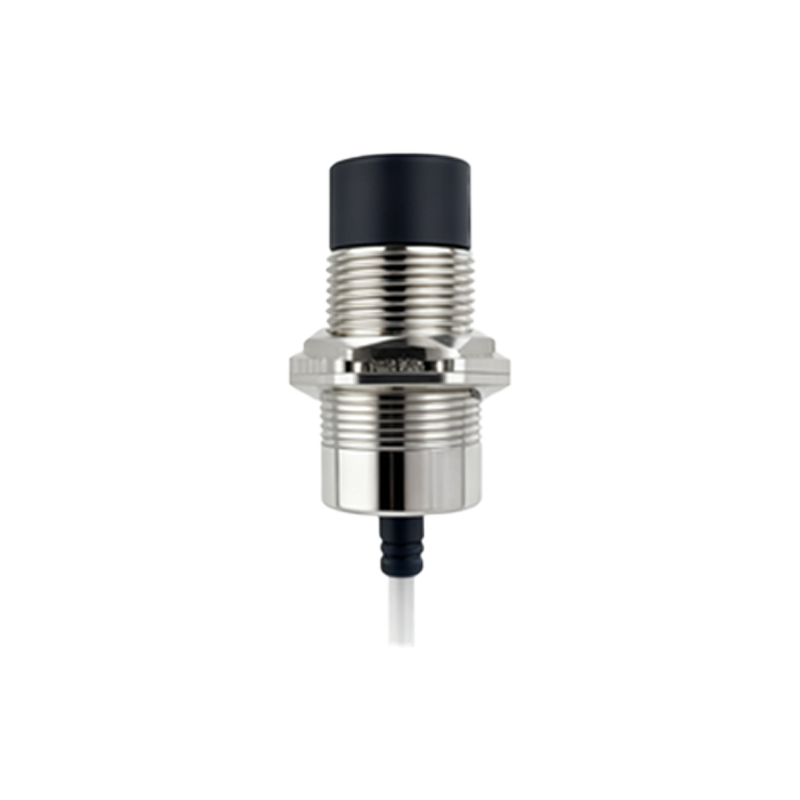
Quality assurance is a non-negotiable pillar. A reputable source factory adheres to international standards such as ISO 9001 and employs a multi-layered testing regimen. Every component is inspected, and every finished sensor undergoes performance checks for switching frequency, repeat accuracy, hysteresis, and temperature stability. Environmental simulation tests verify IP67, IP68, or IP69K ratings for water and dust resistance. This meticulous process minimizes failure rates in the field, reducing downtime and maintenance costs for end-users. The factory's commitment to quality translates directly into the longevity and reliability of the sensors on the factory floor.
Furthermore, a source factory provides critical supply chain stability. By controlling production, it can better manage raw material sourcing, mitigate component shortages, and ensure consistent lead times. This reliability is paramount for OEMs (Original Equipment Manufacturers) who integrate these switches into their own products and for plant managers who require consistent spare parts for maintenance. The factory becomes a strategic partner, offering technical support, detailed datasheets, and application expertise that generic distributors cannot match.
In conclusion, the proximity sensor switch source factory is the foundational engine of industrial sensing. It embodies a fusion of advanced engineering, stringent quality control, and agile manufacturing. For businesses seeking robust, application-specific, and reliable automation solutions, looking directly to the source is not just an option—it is a strategic imperative. The choice of source defines the performance, durability, and intelligence of the automation system, ultimately impacting productivity, efficiency, and the bottom line in an increasingly competitive global market.