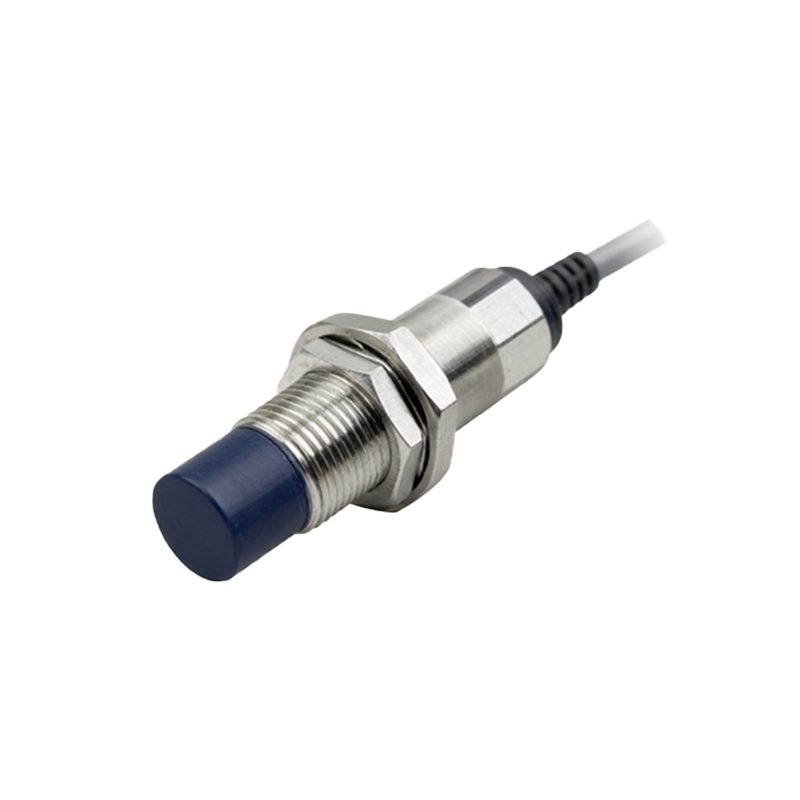
In the realm of industrial automation and machinery, proximity sensors are indispensable components. They provide non-contact detection of metallic or, in some cases, non-metallic objects, enabling precise control, positioning, and safety functions. For engineers, maintenance technicians, and procurement specialists, the question of where to source these critical devices is paramount. The purchasing decision hinges not just on price, but on technical specifications, reliability, supply chain stability, and after-sales support. This guide outlines the primary channels for procuring industrial-grade proximity sensors, detailing the advantages and considerations for each.
The most direct and traditional route is through authorized distributors of major sensor manufacturers. Companies like Siemens, Omron, Schneider Electric, Rockwell Automation (Allen-Bradley), Pepperl+Fuchs, and SICK maintain extensive global networks of certified distributors. Purchasing from an authorized distributor guarantees that you receive genuine, factory-fresh products with full manufacturer warranties. These distributors typically employ trained technical sales staff who can provide pre-sales consultation, helping you select the correct sensor type (inductive, capacitive, ultrasonic, or magnetic), sensing range, housing material (e.g., nickel-plated brass, stainless steel), and output configuration (PNP/NPN, NO/NC). They also manage inventory, ensuring availability of both popular and specialized models. For large-scale projects or ongoing maintenance contracts, establishing a relationship with a local authorized distributor is often the most reliable strategy, offering consistent supply and localized technical support.
For those seeking broader comparison shopping and often faster delivery for smaller quantities, specialized industrial electronics and components suppliers are excellent options. Online platforms like Digi-Key, Mouser Electronics, and RS Components have revolutionized component procurement. These mega-distributors aggregate products from hundreds of manufacturers onto a single website. Their key strengths are vast inventory, detailed parametric search filters, and immediate stock information with shipping timelines. Engineers can effortlessly compare specifications, datasheets, and pricing across multiple brands like Turck, Balluff, or Carlo Gavazzi within minutes. These platforms are ideal for prototyping, small-batch production, or urgent replacement needs where speed and selection are critical. However, for very high-volume orders or deeply technical application challenges, the personalized service of a dedicated brand distributor might be more suitable.
The rise of Business-to-Business (B2B) marketplaces cannot be ignored. Platforms such as Amazon Business and Alibaba.com have made significant inroads into the industrial supply sector. They can offer highly competitive pricing, especially for generic or commonly used sensor models. On Alibaba.com, one can connect directly with manufacturers, often based in Asia, for large OEM quantities. While the potential for cost savings is substantial, this channel requires heightened diligence. Buyers must carefully verify supplier credentials, product authenticity, and compliance with required industry standards (e.g., IP ratings, CE, UL). Technical support and warranty claims may be more challenging through this channel. It is a viable option for cost-sensitive, non-critical applications or for sourcing standard parts with a thorough vetting process.
Finally, for obsolete, discontinued, or hard-to-find sensors, the aftermarket and surplus market serve a vital niche. Companies specializing in surplus industrial automation or dedicated electronic component brokers can source sensors that are no longer in active production. This is particularly valuable for maintaining legacy machinery where a direct replacement is not available or would require costly system redesign. When using this channel, it is essential to request testing certificates and inspect for signs of wear or refurbishment. While not the first choice for new designs, these suppliers provide a crucial service for lifecycle extension of existing equipment.
In conclusion, the optimal purchasing channel for proximity sensors depends entirely on the project's specific requirements. For guaranteed quality, application engineering support, and volume procurement, authorized distributors are unmatched. For rapid delivery, extensive comparison, and small quantities, online industrial suppliers excel. B2B marketplaces offer competitive pricing for vetted, standard components, while the surplus market supports legacy systems. A savvy engineer will leverage the strengths of each channel, always prioritizing sensor specifications, system reliability, and total cost of ownership over the initial purchase price alone. Always consult the latest datasheets and, when in doubt, seek expert advice to ensure the selected sensor meets the electrical, environmental, and mechanical demands of your application.