In the realm of industrial automation and control systems, proximity sensors stand as indispensable components, enabling non-contact detection of objects with precision and reliability. These devices are engineered to sense the presence or absence of a target object within a specified range without any physical contact, thereby eliminating mechanical wear and tear and ensuring long operational life. The fundamental principle behind proximity sensors involves generating an electromagnetic field or a beam of radiation and detecting changes in the field or return signal caused by the presence of an object. This capability makes them ideal for harsh environments where dust, moisture, or extreme temperatures might compromise other sensing methods.
There are several primary types of proximity sensors, each utilizing distinct technologies suited for specific applications. Inductive proximity sensors are among the most common, operating on the principle of electromagnetic induction. They generate an oscillating electromagnetic field and detect the eddy current losses induced in metallic targets. These sensors are highly effective for detecting ferrous and non-ferrous metals but are ineffective for non-metallic materials. Typical applications include position sensing of machine parts, end-of-travel detection in actuators, and metal detection in conveyor systems. Their robustness and resistance to environmental contaminants make them a staple in manufacturing and automotive industries.
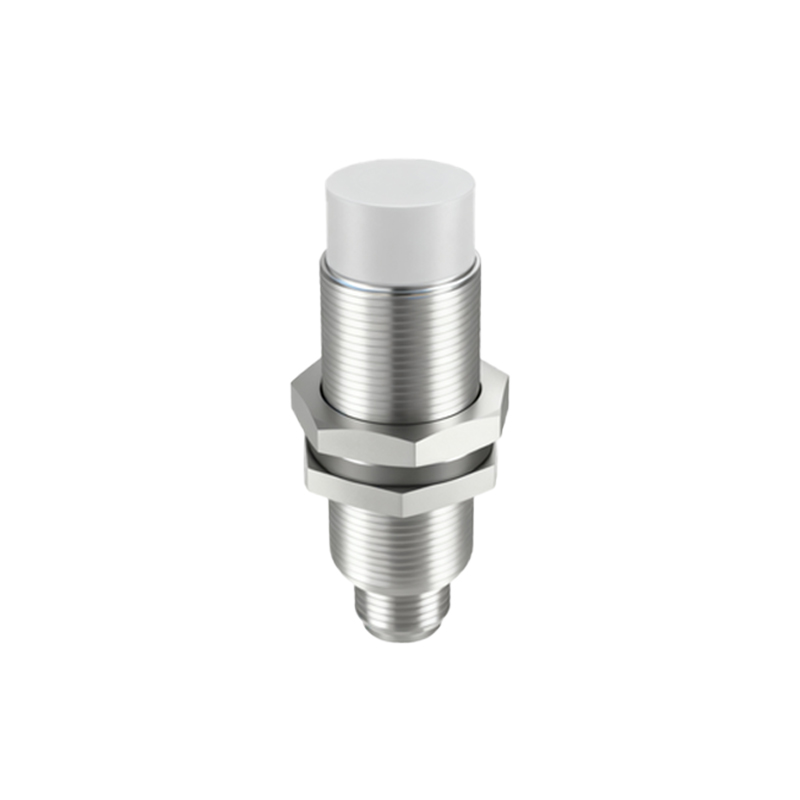
Capacitive proximity sensors, on the other hand, can detect both metallic and non-metallic materials, including liquids, plastics, and glass. They function by measuring changes in capacitance between the sensor and the target object. When an object enters the sensing field, it alters the dielectric constant, leading to a detectable change in capacitance. This versatility allows capacitive sensors to be used in level detection of liquids or granular materials, presence detection of packaging materials, and even as touch-sensitive switches. However, they can be sensitive to environmental factors like humidity, requiring careful calibration.
Ultrasonic proximity sensors employ sound waves beyond the human hearing range. They emit ultrasonic pulses and measure the time taken for the echo to return after reflecting off a target. This time-of-flight measurement allows for precise distance calculation, making these sensors suitable for both presence detection and distance measurement. They are effective for detecting objects of various materials, including transparent or irregularly shaped items that might challenge optical sensors. Common uses include pallet detection in warehouses, liquid level sensing in tanks, and obstacle detection in automated guided vehicles (AGVs). Their performance can be affected by temperature variations and air turbulence, necessitating compensation mechanisms.
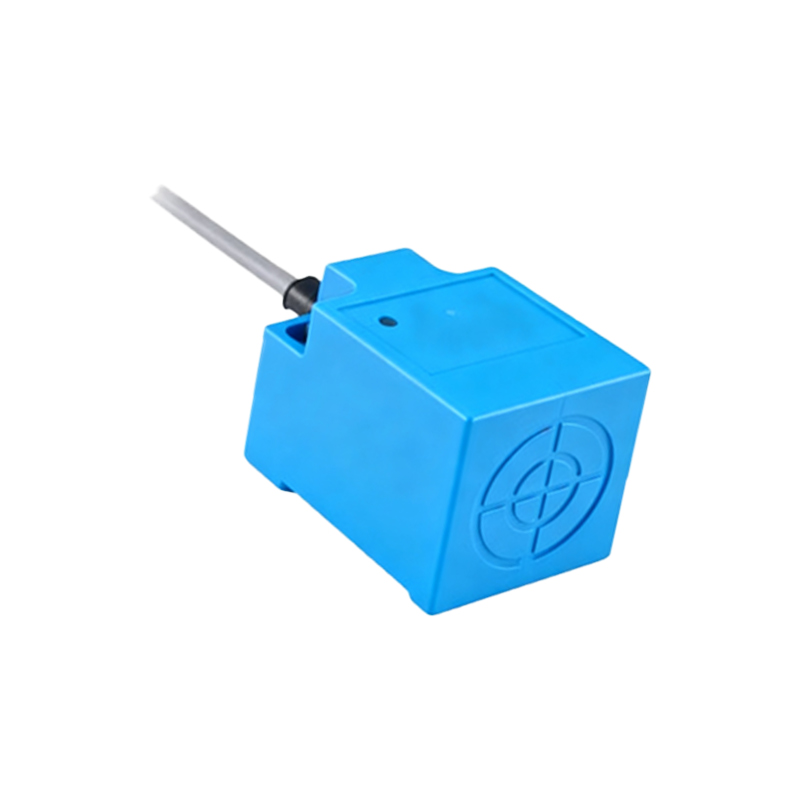
Photoelectric sensors, often grouped under proximity sensing, use light beams—typically infrared, visible, or laser—to detect objects. They consist of an emitter and a receiver. In the through-beam variant, the object interrupts a beam between separate emitter and receiver units, offering long sensing ranges and high accuracy. In the retro-reflective type, the beam reflects off a reflector back to the receiver, with the object breaking this path. Diffuse sensors rely on light reflecting directly off the target back to the receiver. Photoelectric sensors excel in detecting small objects, transparent materials, and over long distances, finding applications in packaging, material handling, and assembly line automation. Ambient light and surface reflectivity can influence their operation.
Magnetic proximity sensors, including reed switches and Hall effect sensors, detect the presence of magnetic fields, typically from permanent magnets attached to moving parts. They are simple, cost-effective, and used in applications like door position sensing, cylinder position detection in pneumatic systems, and speed sensing in rotating machinery. Their sealed construction makes them suitable for wet or dirty environments.
Selecting the appropriate proximity sensor requires a thorough analysis of application parameters. Key factors include the nature of the target material (metal, plastic, liquid), required sensing distance, environmental conditions (temperature, humidity, presence of contaminants), response speed, output type (digital PNP/NPN or analog), and electrical requirements. For instance, an inductive sensor is optimal for high-speed metal part counting in a clean, dry setting, while a capacitive sensor might be chosen for monitoring plastic bottle levels on a filling line. Understanding electrical interfaces, such as 2-wire, 3-wire, or 4-wire configurations, and their compatibility with programmable logic controllers (PLCs) is also crucial for system integration.
Installation and maintenance practices significantly impact sensor performance and longevity. Proper mounting, alignment, and shielding from electrical noise are essential. Regular cleaning of sensing faces prevents false triggers from accumulated debris. Many modern sensors feature built-in diagnostics, such as LED indicators for output status and teach-in functions for easy adjustment of sensing ranges, simplifying setup and troubleshooting.
The evolution of Industry 4.0 and the Industrial Internet of Things (IIoT) is further enhancing proximity sensor capabilities. Smart sensors with integrated IO-Link communication provide detailed diagnostic data, parameter setting remotely, and predictive maintenance alerts, contributing to increased machine uptime and overall equipment effectiveness (OEE). As automation becomes more sophisticated, the demand for sensors with higher precision, faster response times, and greater connectivity