Selecting the ideal proximity sensor for an industrial application is a critical decision that directly impacts system reliability, efficiency, and cost. With a vast array of technologies, specifications, and form factors available, navigating the selection process can be daunting. This guide provides a structured, professional approach to ensure you choose the best sensor for your specific needs, focusing on key technical parameters and application requirements.
The first and most fundamental step is to clearly define the target object and the application environment. What material is the object made of? Ferrous metals (like iron and steel), non-ferrous metals (like aluminum, copper, or brass), plastics, liquids, or other materials? The object's material composition is the primary determinant of the appropriate sensing technology. Next, assess the operating environment. Will the sensor be exposed to extreme temperatures, washdowns with high-pressure chemicals, oils, coolants, or metallic dust? Environmental factors dictate the required housing material (e.g., stainless steel vs. plastic), ingress protection (IP) rating (like IP67 or IP69K), and any necessary certifications for hazardous areas.
Following this, you must select the core sensing technology. The four main types are:
1. Inductive Proximity Sensors: Detect only metallic objects, primarily ferrous metals. They are highly reliable, resistant to environmental contaminants, and offer excellent repeatability. Ideal for detecting machine parts, position verification, and counting in harsh industrial settings.
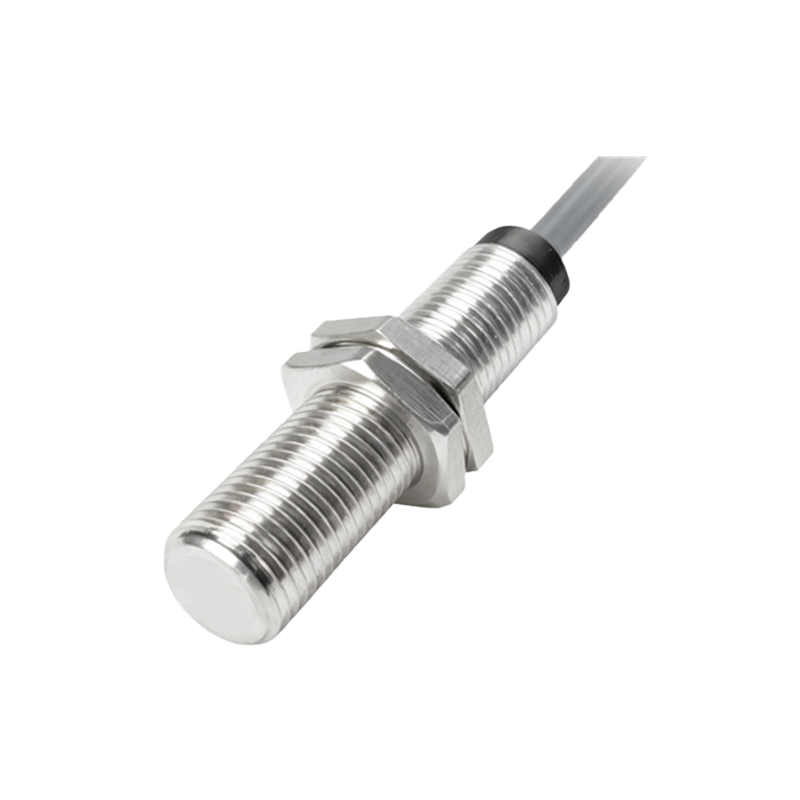
2. Capacitive Proximity Sensors: Can detect both metallic and non-metallic materials, including liquids, powders, glass, and plastics. They are sensitive to material density and dielectric constant. Common applications include level detection in tanks, paper or wood processing, and detecting filled containers.
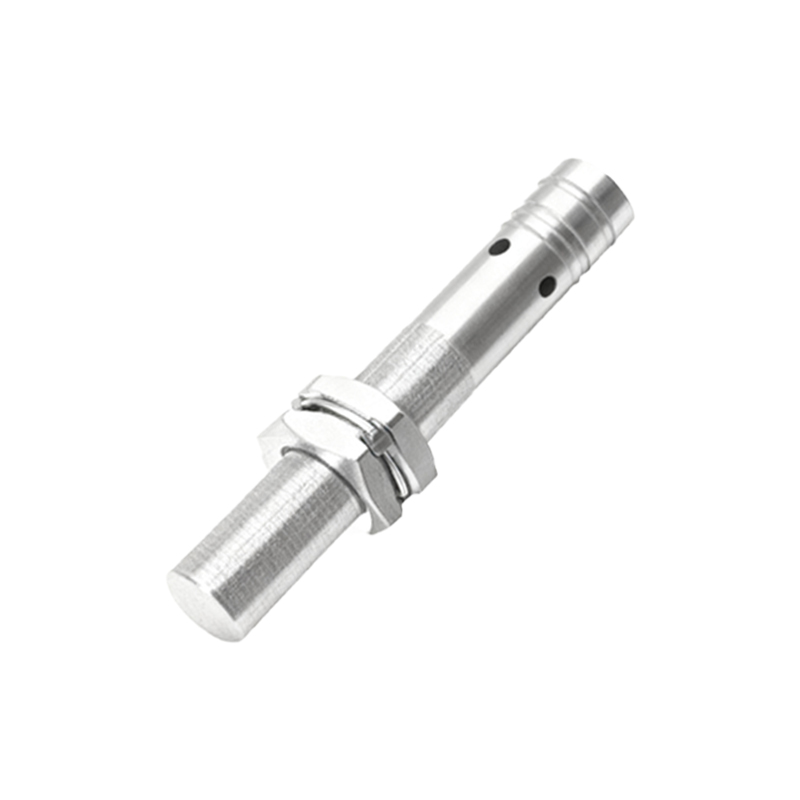
3. Ultrasonic Proximity Sensors: Use sound waves to detect objects regardless of color, transparency, or material. They are excellent for longer ranges, liquid level sensing, and detecting uneven or transparent surfaces. Performance can be affected by temperature fluctuations, air turbulence, and sound-absorbing materials.
4. Photoelectric Sensors: Utilize a light beam (visible red, infrared, or laser) to detect objects. They offer the longest sensing ranges and can detect virtually any material. Sub-types (diffuse, retro-reflective, through-beam) provide flexibility but can be susceptible to ambient light, color, and surface reflectivity.
Once the technology is chosen, precise technical specifications must be evaluated.
Sensing Distance: The nominal sensing range (Sn) is specified for a standard target. Always apply a safety factor, typically 70-80% of Sn, to account for supply voltage tolerances, temperature effects, and part-to-part variations. Consider both the operating distance and any required installation clearance.
Output Type: Decide between a digital switch output (PNP vs. NPN sourcing/sinking, 2-wire vs. 3-wire) or an analog output (4-20 mA, 0-10V). The choice must be compatible with your controller's input module (PLC, relay). Also, consider the output current rating to ensure it can drive the connected load.
Response Time and Switching Frequency: This defines how quickly the sensor can detect an object and change its output state. For high-speed applications like counting small parts on a conveyor, a fast switching frequency (e.g., 5 kHz) is essential to avoid missing objects.
Housing and Form Factor: The sensor's physical shape (barrel-style, rectangular, ring-shaped) must fit the mechanical installation constraints. Consider thread size (e.g., M8, M12, M18, M30), body length, and whether a shielded (flush-mountable) or unshielded (non-flush) design is needed. Shielded sensors can be mounted flush in metal, while unshielded types offer a longer sensing range but require side clearance.
Electrical Connections: Choose between pre-wired cables or quick-disconnect (QD) connectors. QD connectors simplify maintenance and replacement but may have a slightly higher initial cost.
Finally, perform a total cost of ownership (TCO) analysis. Look beyond the initial purchase price. Consider installation time, wiring complexity, maintenance requirements, mean time between failures (MTBF), and the cost of production downtime caused by sensor failure. A slightly more expensive, robust sensor from a reputable manufacturer often proves more economical in the long run due to higher reliability and longer service life.
In conclusion, successful proximity sensor selection is a methodical process of matching sensor capabilities to application demands. By systematically analyzing the target object, environment, required performance, and physical constraints, engineers can specify a sensor that delivers precise, reliable, and cost-effective operation for years to come. Always consult