In the rapidly evolving landscape of automotive safety and industrial automation, radar sensor technology has emerged as a cornerstone for reliable vehicle proximity detection. Unlike optical systems such as cameras or LiDAR, radar operates by emitting radio frequency (RF) waves—typically in the 24 GHz, 77 GHz, or 79 GHz bands—and analyzing the reflected signals. This fundamental principle allows for precise measurement of an object's distance, relative velocity, and angle, even under challenging environmental conditions like fog, rain, dust, or complete darkness. The inherent robustness of radar makes it indispensable for critical applications where failure is not an option.
The core functionality of a vehicle proximity detection system hinges on sophisticated signal processing. When the transmitted RF wave encounters a vehicle or any object, a portion of the energy is reflected back to the sensor. By calculating the time delay between transmission and reception (Time-of-Flight), the sensor determines the range. Simultaneously, the Doppler shift in the frequency of the returned signal reveals the target's radial velocity. Modern radar sensors, especially those utilizing Frequency-Modulated Continuous Wave (FMCW) modulation, excel at this task. They continuously sweep a band of frequencies, enabling the simultaneous extraction of range and velocity data for multiple targets with high resolution. Advanced digital signal processors (DSPs) and algorithms then filter out clutter—unwanted reflections from roadside infrastructure or debris—to isolate relevant vehicle echoes.
In the automotive sector, radar sensors are the backbone of Advanced Driver-Assistance Systems (ADAS) and autonomous driving functionalities. Short-Range Radar (SRR) sensors, often operating at 24 GHz or 79 GHz, are deployed around the vehicle's perimeter. They enable crucial features like Blind Spot Detection (BSD), Lane Change Assist (LCA), Rear Cross-Traffic Alert (RCTA), and parking assistance. These systems provide audible and visual warnings to the driver, and in some cases, can initiate automatic braking to prevent a collision. Long-Range Radar (LRR) sensors, typically at 77 GHz, are mounted at the front of the vehicle for Adaptive Cruise Control (ACC) and Forward Collision Warning (FCW). They can track vehicles hundreds of meters ahead, maintaining a safe following distance and significantly enhancing highway safety.
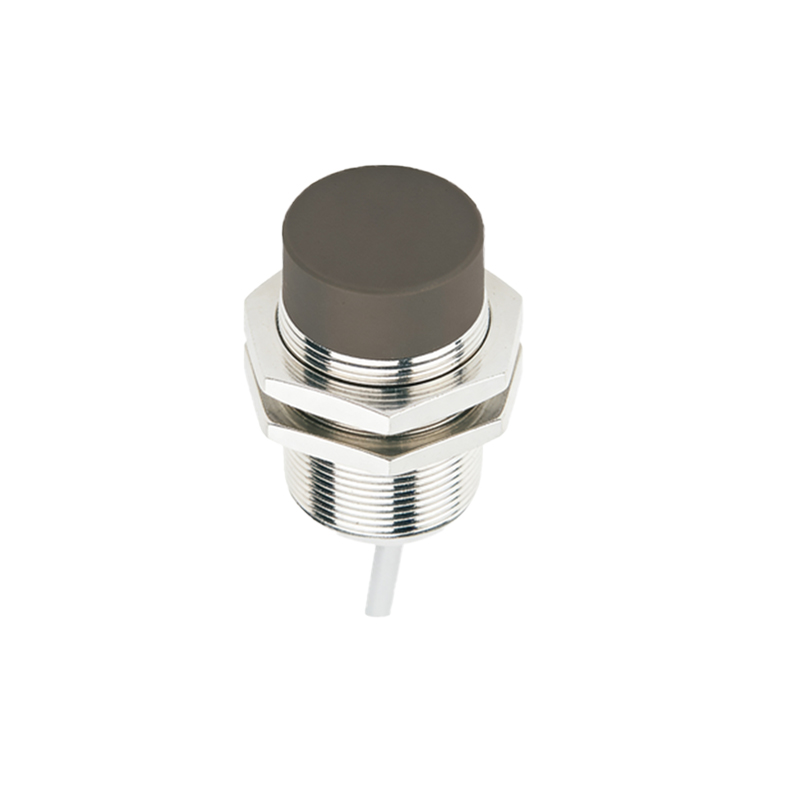
Beyond passenger vehicles, the industrial and commercial transportation domains heavily rely on radar for proximity detection. In mining, construction, and agricultural machinery, radar sensors safeguard operators by detecting obstacles and personnel in large blind spots. For autonomous guided vehicles (AGVs) and mobile robots in smart warehouses, radar provides a failsafe sensing layer for navigation and collision avoidance, complementing other sensors. In railway systems, radar is used for obstacle detection on tracks and for monitoring level crossings. The technology's immunity to environmental contaminants like mud or dust is a decisive advantage in these harsh operational settings.
The design and integration of these sensors present ongoing engineering challenges. Key performance parameters include maximum detection range, range resolution, angular field of view, and update rate. Engineers must carefully balance these factors against power consumption, physical size, and cost. Antenna design is particularly critical; modern systems increasingly employ Multiple-Input Multiple-Output (MIMO) antenna arrays and beamforming techniques to achieve a wide field of view with high angular accuracy, essentially creating a "digital eye" that can pinpoint multiple objects. Furthermore, ensuring electromagnetic compatibility (EMC) and minimizing interference between numerous sensors in dense traffic scenarios is a complex area of active development.
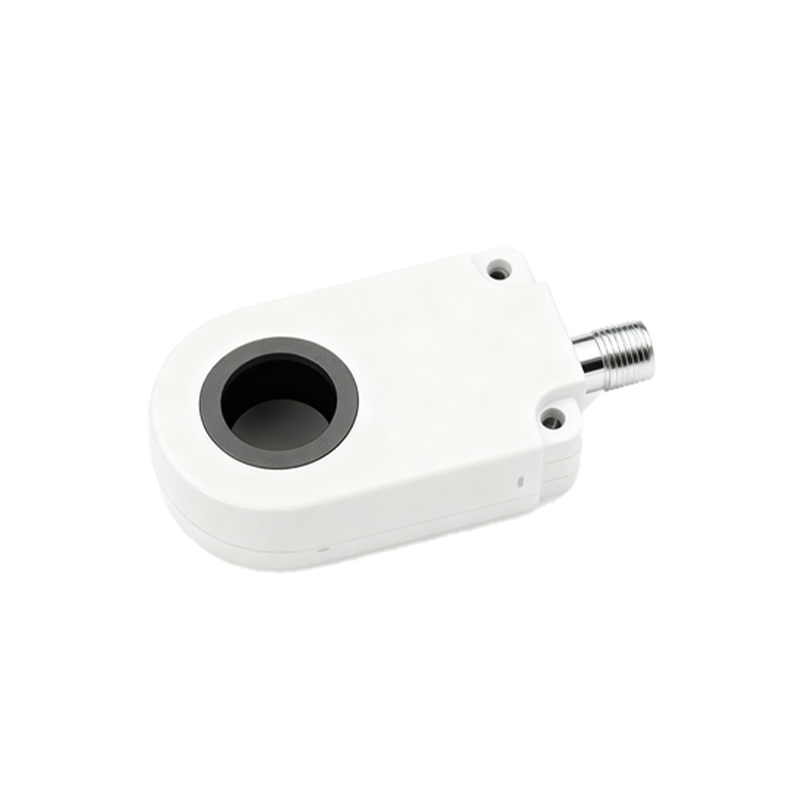
Looking ahead, the trajectory of radar sensor technology points toward higher levels of integration and intelligence. The trend is moving from discrete radar modules to highly integrated system-on-chip (SoC) solutions that combine RF front-ends, processors, and memory on a single die. This miniaturization reduces cost and power consumption while boosting performance. Concurrently, the fusion of radar data with inputs from cameras, ultrasonic sensors, and LiDAR is creating more robust and context-aware perception systems for fully autonomous vehicles. Artificial intelligence and machine learning are beginning to be applied to radar signal processing, enabling better classification of detected objects—distinguishing a bicycle from a pedestrian, for instance—which is a traditional weakness of radar.
In conclusion, radar sensor technology is a mature yet dynamically advancing field that is fundamental to modern vehicle proximity detection. Its all-weather capability, precise velocity measurement, and increasing affordability ensure its central role in enhancing safety and enabling automation across automotive and industrial sectors. As sensor fusion and computational power advance, radar will continue to evolve from a simple distance-measuring device into a sophisticated perception node, forming an essential layer in the sensory suite of intelligent machines.