In the realm of industrial automation and material handling, crane proximity sensors play a pivotal role in ensuring operational safety, precision, and efficiency. These sensors are integral components in modern crane systems, designed to detect the presence or absence of objects within a specified range without physical contact. This article delves into the working principles of crane proximity sensors, exploring their types, applications, and technological advancements.
Crane proximity sensors operate based on electromagnetic, capacitive, or inductive principles, depending on the specific type. Inductive proximity sensors are the most commonly used in crane applications due to their robustness and reliability in harsh industrial environments. These sensors generate an electromagnetic field around their active surface. When a metallic object enters this field, eddy currents are induced in the object, causing a change in the sensor's oscillation amplitude. This change is detected by the sensor's internal circuitry, which then triggers an output signal to indicate the object's presence. The detection range varies based on the sensor's design and the material of the target object, typically ranging from a few millimeters to several centimeters.
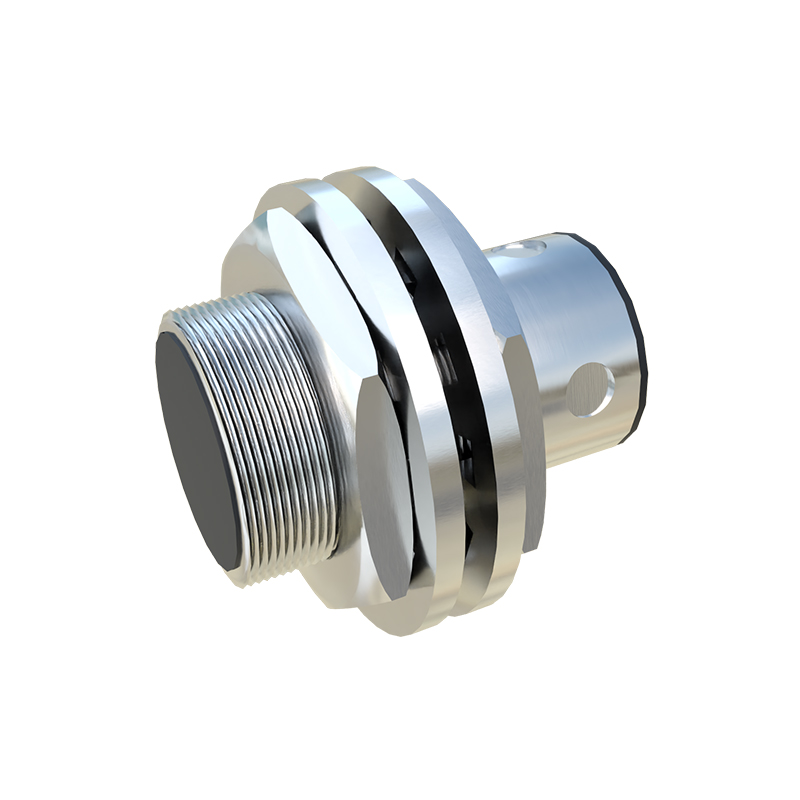
Capacitive proximity sensors, on the other hand, can detect both metallic and non-metallic objects, such as plastics, liquids, or wood. They work by generating an electrostatic field between two electrodes. When an object enters this field, it alters the capacitance between the electrodes, leading to a change in the sensor's output state. These sensors are particularly useful in crane systems where non-metallic materials need to be monitored, such as in container handling or bulk material operations.
Electromagnetic proximity sensors, often used in specialized crane applications, rely on magnetic fields to detect ferromagnetic objects. They are highly sensitive and can operate over longer distances compared to inductive sensors. However, their use is limited to environments where magnetic interference is minimal.
The integration of crane proximity sensors enhances safety by preventing collisions between the crane and other equipment, structures, or personnel. For instance, in overhead crane systems, sensors are installed to monitor the approach to end stops, ensuring the crane does not exceed its travel limits. Similarly, in gantry cranes, proximity sensors help in aligning the crane with storage racks or loading bays, reducing the risk of damage to goods and infrastructure.
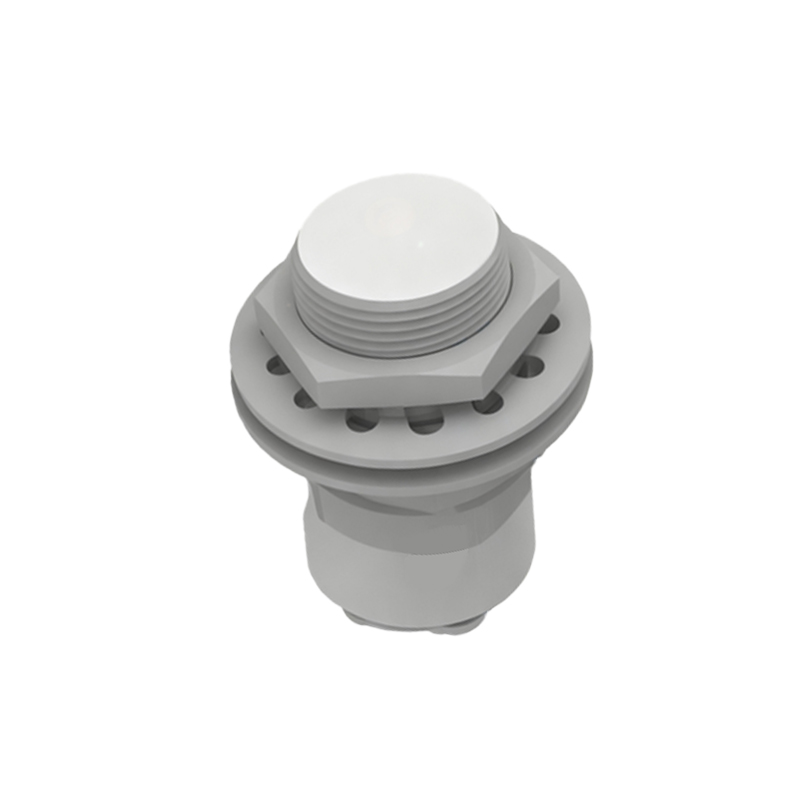
Modern advancements have led to the development of smart proximity sensors with integrated microprocessors. These sensors offer features such as self-diagnostics, adjustable sensing ranges, and communication capabilities via industrial protocols like IO-Link or PROFINET. This allows for real-time monitoring and predictive maintenance, minimizing downtime and optimizing crane performance. Additionally, the use of ruggedized housings with high ingress protection (IP) ratings ensures these sensors can withstand dust, moisture, and extreme temperatures commonly found in industrial settings.
In conclusion, crane proximity sensors are essential for the safe and efficient operation of material handling systems. Their non-contact detection mechanism, coupled with technological innovations, continues to drive improvements in crane automation. As industries move towards Industry 4.0, the role of these sensors in enabling smart, connected crane systems will only become more significant, paving the way for enhanced productivity and safety standards.