In the intricate world of industrial automation and electronic control systems, proximity sensors stand as fundamental components, enabling machines to perceive their environment without physical contact. A proximity sensor is a non-contact electronic device designed to detect the presence or absence of an object within its sensing range. It achieves this by emitting an electromagnetic field, beam, or radiation and then monitoring for changes in the field or the return signal. The core principle is simple yet powerful: interaction without touch, leading to unparalleled reliability and longevity in demanding applications.
The classification of proximity sensors is primarily based on their underlying detection technology. The most prevalent types include Inductive, Capacitive, Ultrasonic, and Photoelectric sensors. Inductive proximity sensors are the workhorses of metal detection. They generate an oscillating electromagnetic field from a coil. When a metallic object enters this field, it induces eddy currents on the object's surface, which in turn dampens the oscillation of the sensor's coil. This damping effect is detected by the sensor's circuitry, triggering an output signal. They are exceptionally robust, immune to environmental factors like dust or oil, and are ideal for detecting ferrous and non-ferrous metals in machinery, such as counting gear teeth or verifying the position of a metal part on a conveyor.
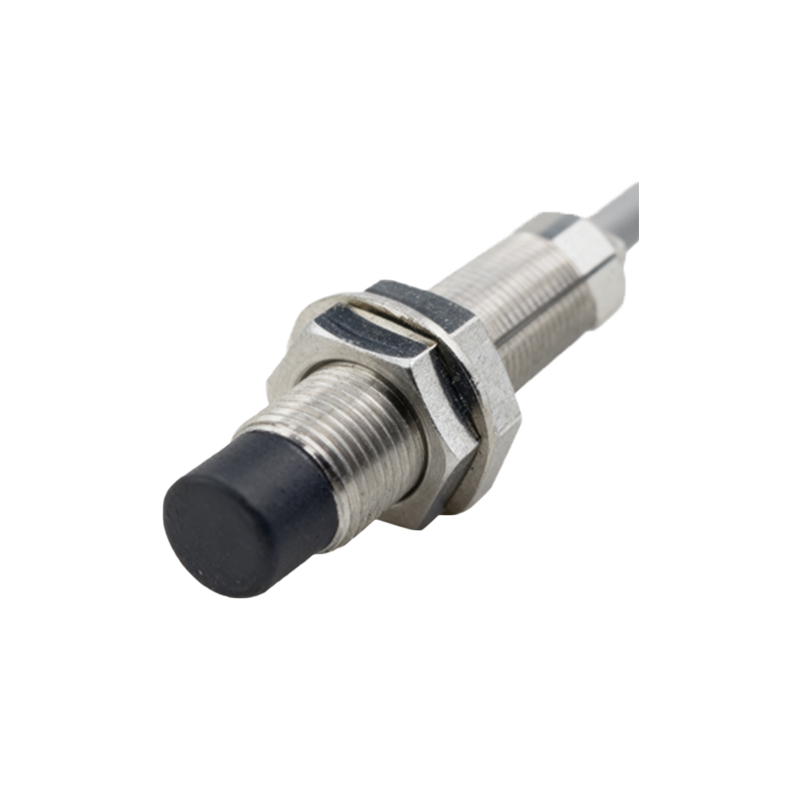
Capacitive proximity sensors, on the other hand, can detect both metallic and non-metallic materials, including liquids, powders, plastics, and wood. They function by generating an electrostatic field. Any object that enters this field alters the capacitance of the sensor's circuit. This change is measured, and when it exceeds a preset threshold, the sensor activates. This makes them perfect for applications like liquid level detection in tanks, monitoring the presence of plastic bottles on a production line, or detecting granular materials in hoppers.
Photoelectric sensors utilize light, typically infrared or laser, to detect objects. They consist of an emitter (light source) and a receiver. The three main operating modes are through-beam, retro-reflective, and diffuse. In through-beam mode, the emitter and receiver are separate units; an object is detected when it interrupts the light beam. This mode offers the longest sensing range and high reliability. Retro-reflective mode uses a single unit with both emitter and receiver, along with a reflector; detection occurs when the object blocks the reflected light. Diffuse mode, or proximity mode, relies on the reflection of light from the object itself back to the receiver. Photoelectric sensors are versatile for detecting objects of various colors, shapes, and materials over varying distances.
Ultrasonic proximity sensors operate by emitting high-frequency sound waves and measuring the time it takes for the echo to return. The time-of-flight principle allows them to not only detect presence but also measure distance. They are excellent for detecting objects with complex surfaces, transparent materials (like glass or clear plastic), and in environments with heavy dust or vapor where photoelectric sensors might fail. Common uses include pallet detection, loop control, and distance measurement.
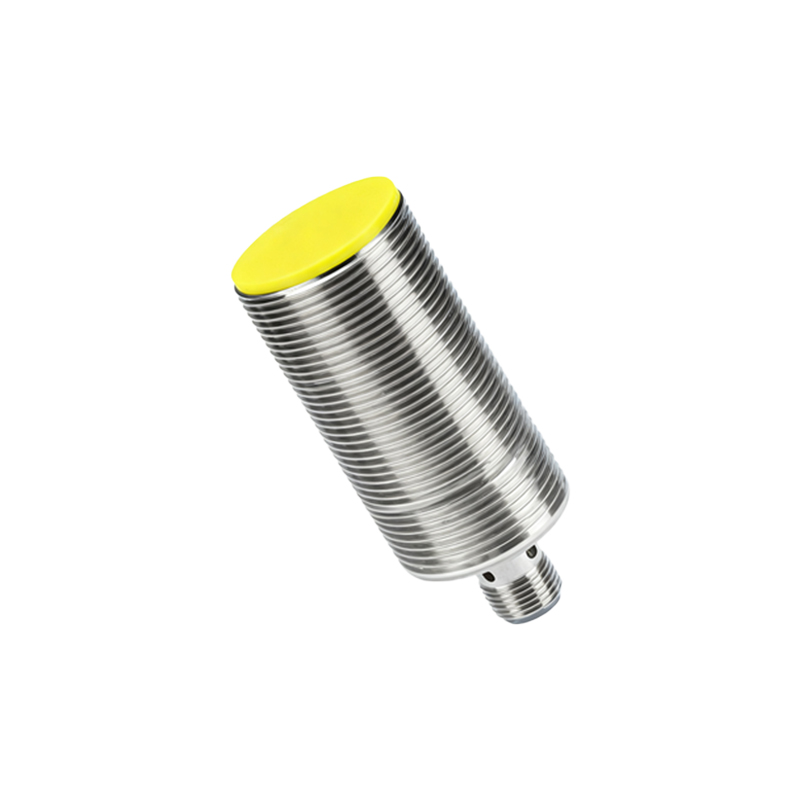
The output of a proximity sensor is typically a discrete on/off signal, commonly in the form of a solid-state switch (PNP or NMP transistor) or a relay contact. This digital signal is directly compatible with programmable logic controllers (PLCs), motor drives, and other control systems. Key selection parameters include sensing distance (nominal and effective), repeat accuracy, response frequency, housing material (often nickel-plated brass or stainless steel for durability), and environmental ratings like IP67 for protection against dust and temporary immersion.
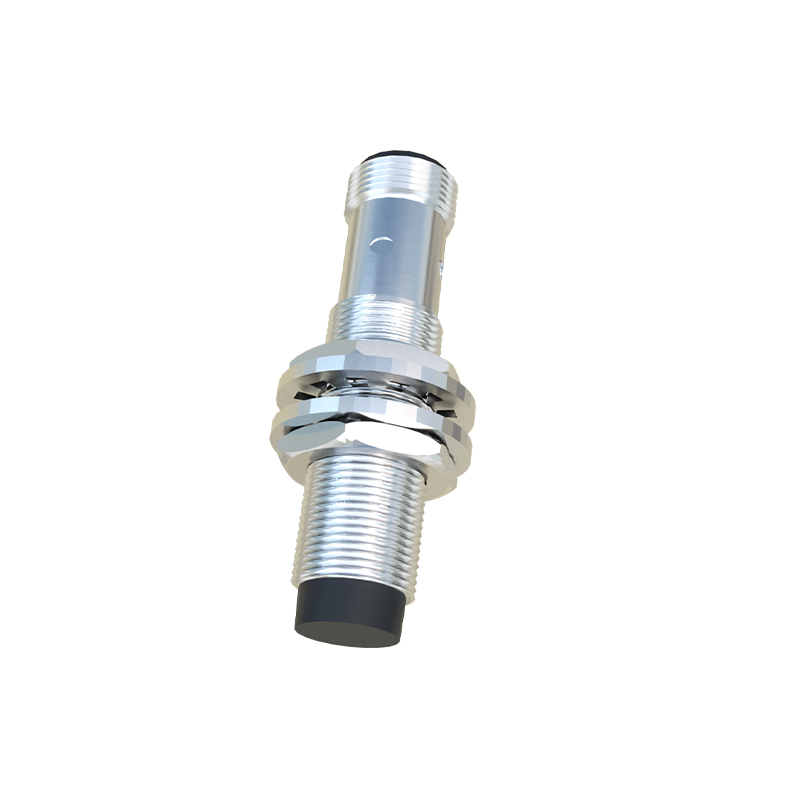
The advantages of using proximity sensors are manifold. Their non-contact nature eliminates mechanical wear and tear, ensuring a virtually infinite operational life. They provide high-speed response, enabling fast-paced automation. They are not influenced by the surface color or, in the case of inductive sensors, by non-target materials. This reliability translates into reduced machine downtime, improved safety by enabling presence-sensing for guards, and enhanced process control through precise object positioning.
In conclusion, a proximity sensor is far more than a simple switch. It is a sophisticated, application-specific sensing device that forms the sensory backbone of modern automation. From automotive assembly robots and packaging machinery to elevator door control and consumer electronics, proximity sensors provide the critical "sense of touch" that allows machines to operate intelligently, efficiently, and safely. Understanding their types, principles, and applications is essential for any engineer designing or maintaining automated systems.