In the dynamic landscape of industrial automation, precision, reliability, and durability are non-negotiable. Among the myriad of components that ensure seamless operation, inductive proximity sensors stand as silent sentinels, detecting the presence or absence of metallic objects without physical contact. Pulsotronc, a name synonymous with innovation in sensing technology, has engineered a range of inductive proximity sensors that set new benchmarks for performance in challenging environments. This guide delves into the core technology, key features, and critical applications of Pulsotronc inductive proximity sensors, providing essential insights for engineers and system integrators.
At the heart of every Pulsotronc inductive proximity sensor lies a high-frequency oscillating circuit. When a metallic object enters the sensor's electromagnetic field, eddy currents are induced on the object's surface. This causes a change in the oscillation amplitude within the sensor's coil. The sensor's integrated electronics detect this change and trigger a solid-state switching output. This fundamental principle allows for wear-free, high-speed detection of ferrous metals like steel and iron, as well as non-ferrous metals such as aluminum, copper, and brass, albeit with different sensing ranges. Pulsotronc sensors are meticulously calibrated to offer consistent and repeatable switching points.
Pulsotronc distinguishes its product line through a series of robust design and performance characteristics. A primary advantage is their exceptional environmental resilience. Housed in rugged, typically nickel-plated brass or stainless-steel casings, these sensors boast high ingress protection ratings (e.g., IP67, IP69K), making them impervious to dust, water jets, and even temporary immersion. This makes them ideal for harsh settings like machining centers, welding lines, and food & beverage processing plants where exposure to coolants, metal chips, and frequent washdowns is common.
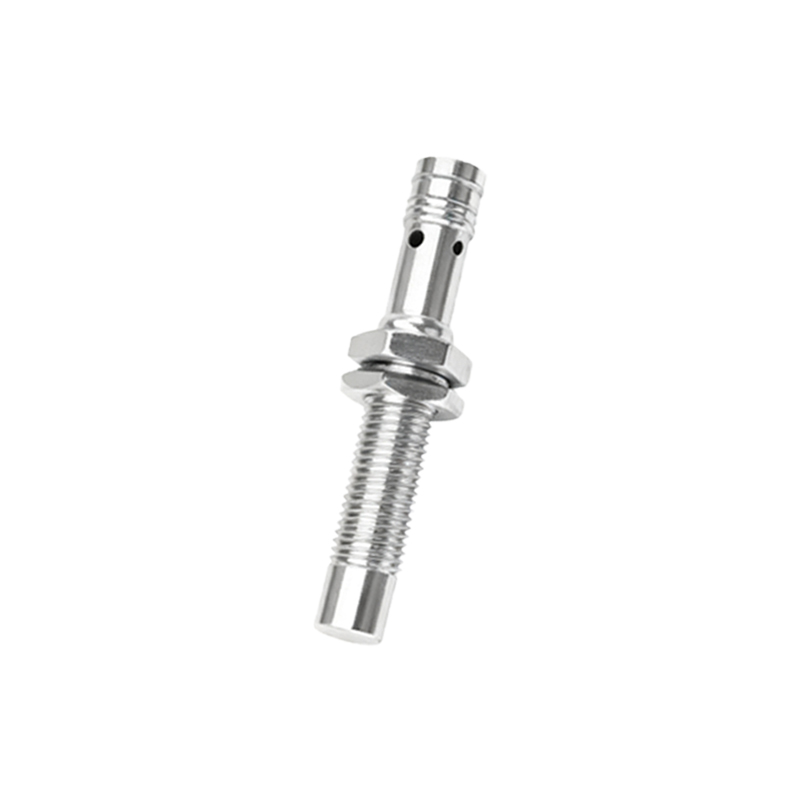
Furthermore, Pulsotronc sensors are engineered for electrical robustness. They feature advanced circuitry for protection against short-circuits, overload, reverse polarity, and electromagnetic interference (EMI). This ensures stable operation even in electrically noisy industrial environments adjacent to motor drives and welding equipment. Many models also incorporate LED status indicators for easy diagnostics, showing power availability and output switching status at a glance.
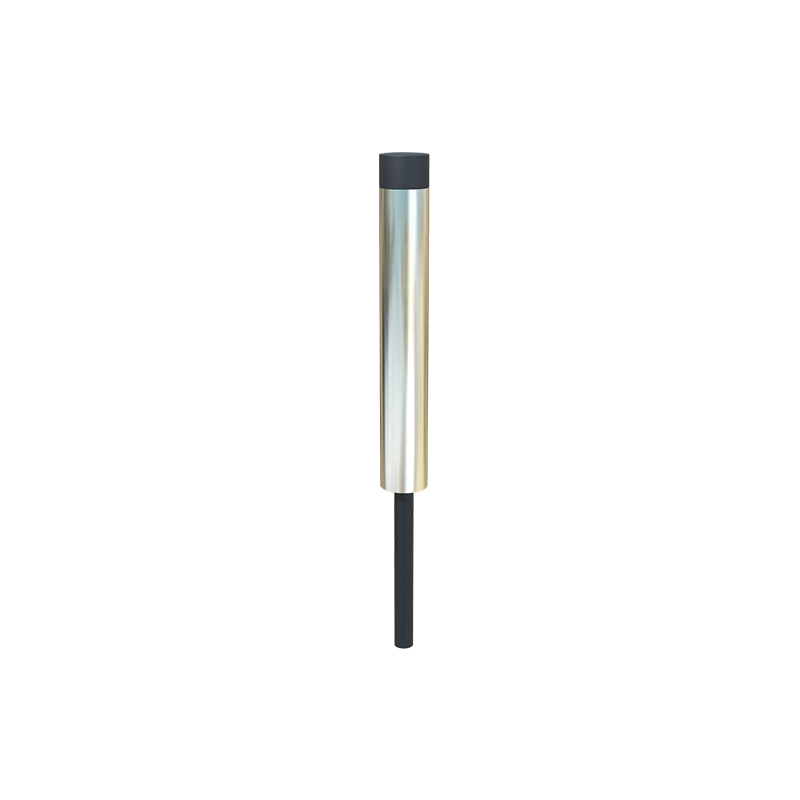
The output configurations are versatile, catering to various control system architectures. Designers can choose from DC models with NPN (sinking) or PNP (sourcing) transistor outputs, as well as AC/DC universal (two-wire) versions. The switching frequency is notably high, often exceeding 1 kHz, enabling the detection of very fast-moving parts on high-speed assembly or packaging lines. Another critical specification is the sensing distance, or "Sn." Pulsotronc offers a comprehensive range, from miniature sensors with a 1mm range for ultra-precise positioning to larger barrel sensors with ranges up to 40mm for more general detection tasks.
The application spectrum for Pulsotronc inductive proximity sensors is vast. They are indispensable in position verification—confirming if a cylinder piston has reached its end position, or if a robotic gripper is open or closed. In counting and sorting systems on conveyor belts, they reliably detect metal parts or containers. They serve as essential safety components in machine guarding, monitoring the position of safety doors or interlocks. In metal fabrication, they control the feed length of metal sheets or detect the presence of tools in CNC machine tool changers. Their immunity to dirt and moisture also makes them perfect for liquid level control in metal tanks.
Selecting the right Pulsotronc sensor requires careful consideration of several parameters: the target material (steel, aluminum, etc.), the required sensing distance (typically 0.8 x Sn for reliable operation), the operating voltage (12-24V DC, 24-240V AC, etc.), the output type needed to interface with your PLC or controller, the environmental conditions (temperature, chemical exposure), and the physical size and mounting style (threaded barrel, rectangular block, or ring-shaped). Consulting the detailed technical data sheets is paramount for optimal integration.
In conclusion, Pulsotronc inductive proximity sensors represent a fusion of robust physical construction and sophisticated electronics. They provide a contactless, maintenance-free solution for object detection that is critical for enhancing efficiency, ensuring safety, and enabling precision in modern automated systems. By understanding their operating principle, key features, and application guidelines, automation professionals can leverage these reliable components to build more resilient and productive industrial machinery. As automation evolves towards greater intelligence, the foundational reliability offered by components like Pulsotronc sensors remains the bedrock of operational success.