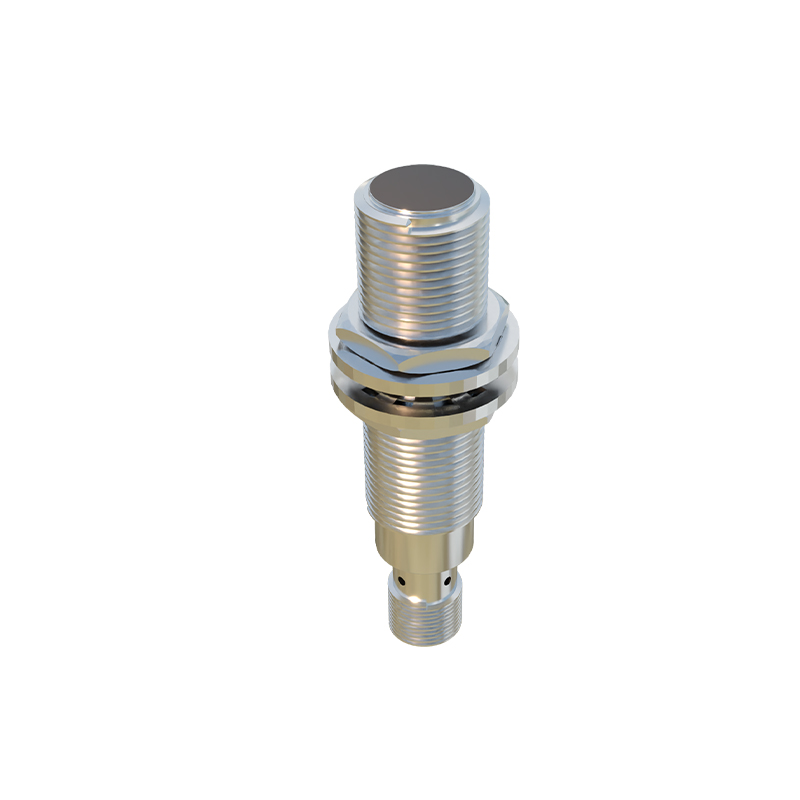
In the realm of industrial automation and control systems, micro proximity switch sensors represent a critical component for non-contact detection and precision positioning. These compact devices, often captured in detailed technical images, are engineered to detect the presence or absence of metallic or non-metallic objects without physical contact, thereby minimizing wear and enhancing reliability. This article delves into the visual and technical aspects of micro proximity switch sensors, providing engineers with insights into their design, functionality, and application through the lens of imagery.
Micro proximity switch sensors are typically characterized by their small form factor, with dimensions ranging from a few millimeters to a couple of centimeters. High-resolution images reveal intricate details such as the sensing face, housing material (often stainless steel or plastic), and connection interfaces. For instance, inductive-type sensors, designed for metal detection, showcase a coil and oscillator circuit visible in cross-sectional diagrams, while capacitive variants for non-metallic materials display electrode configurations. These visuals are essential for engineers to understand the internal architecture, aiding in selection based on environmental factors like temperature, humidity, or exposure to chemicals.
When examining images of micro proximity sensors, key features to note include the sensing distance, which is usually minimal—often between 1mm to 10mm—depending on the model and target material. Diagrams frequently illustrate this range with calibrated scales, emphasizing the importance of precise installation to avoid false triggers. Additionally, LED indicators for power and output status are commonly visible in photos, providing real-time diagnostic information. For example, a green LED might signify power-on, while a yellow one indicates object detection, enabling quick troubleshooting in field applications.
The wiring and mounting details depicted in sensor images are crucial for seamless integration into control systems. Many micro proximity switches come with pre-wired cables or connector options, such as M8 or M12 connectors, shown in close-up shots to highlight pin assignments and shielding for electromagnetic compatibility. Engineers rely on these images to ensure proper connection to PLCs (Programmable Logic Controllers) or other automation devices, reducing installation errors. Mounting brackets and threaded barrels, visible in assembly diagrams, facilitate secure attachment in tight spaces, such as robotic arms or conveyor systems.

Application-specific images demonstrate the versatility of micro proximity sensors across industries. In automotive manufacturing, for instance, photos might show sensors embedded in assembly lines for part verification, while in packaging machinery, they depict detection of foil seals or label positions. Medical device applications often feature sensors in sterilizable housings, with images highlighting their compliance with hygiene standards. These real-world visuals help engineers envision deployment scenarios, optimizing sensor placement for maximum efficiency.
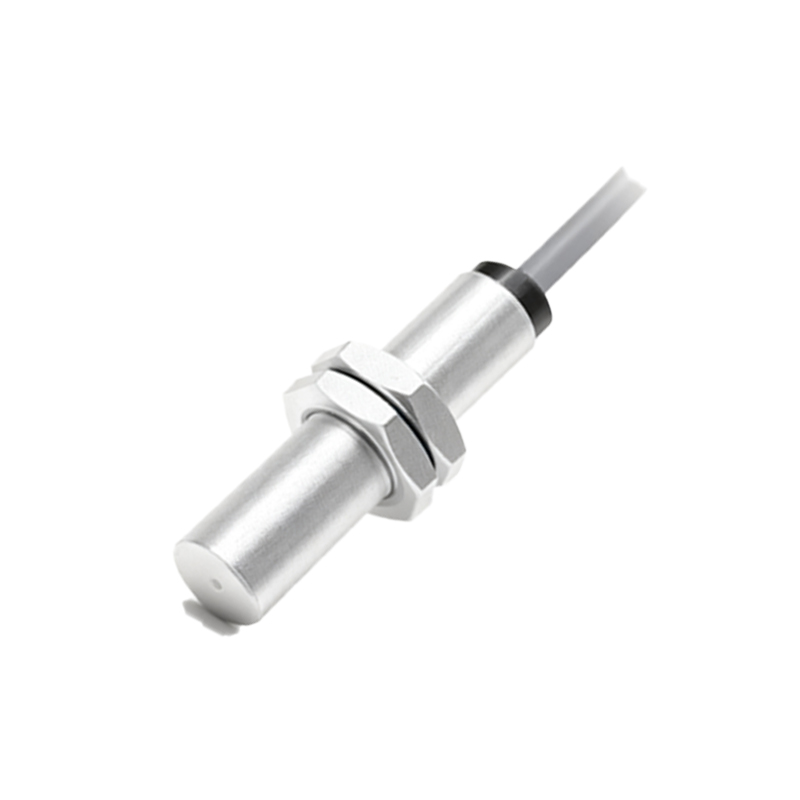
Technical specifications, often overlaid on product images, include data on voltage ratings (e.g., 10-30V DC), output types (PNP or NPN switching), and protection ratings like IP67 for dust and water resistance. Engineers use these annotated images to compare models, ensuring compatibility with existing systems. Furthermore, thermal imaging shots can reveal heat dissipation patterns, critical for high-duty cycle operations, while oscilloscope traces in manuals illustrate signal response times, aiding in performance validation.
In conclusion, micro proximity switch sensor images serve as invaluable tools for engineers, bridging the gap between theoretical specifications and practical implementation. By analyzing these visuals, professionals can make informed decisions on sensor selection, installation, and maintenance, ultimately enhancing system reliability and productivity. As technology advances, 3D renderings and augmented reality views are becoming more prevalent, offering even deeper insights into sensor dynamics. For those in the electrical and automation fields, mastering the interpretation of such imagery is key to leveraging the full potential of these miniature yet powerful devices.