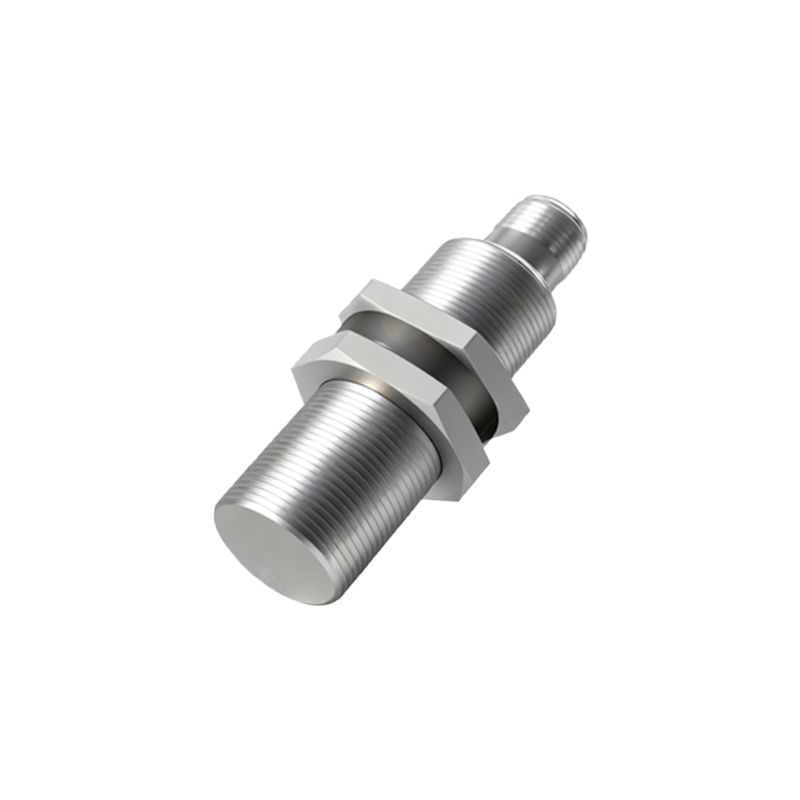
Threaded proximity sensors are indispensable components in modern industrial automation, offering non-contact detection of metallic objects with high reliability and durability. These sensors are characterized by their threaded housing, which allows for easy installation and adjustment in various industrial settings. Typically constructed from materials like stainless steel or brass, they are designed to withstand harsh environments, including exposure to oils, coolants, and temperature extremes.
The operating principle of threaded proximity sensors is based on electromagnetic fields. Inductive sensors, the most common type, generate an oscillating electromagnetic field. When a metallic object enters this field, it induces eddy currents, causing a change in the sensor's oscillation amplitude. This change is detected and converted into an electrical signal, triggering an output switch. This mechanism enables precise detection without physical contact, reducing wear and tear and minimizing maintenance needs. Key advantages include high switching speeds, resistance to vibration, and immunity to environmental contaminants like dust or moisture.
In industrial applications, threaded proximity sensors are widely used for position sensing, object counting, and end-of-travel detection in machinery. For example, in conveyor systems, they monitor the presence of metal parts, ensuring smooth operation and preventing jams. In automotive manufacturing, these sensors verify the placement of components on assembly lines, enhancing quality control. Their threaded design allows for secure mounting in drilled holes, with common thread standards such as M8, M12, M18, and M30, providing flexibility for different spatial requirements.
When selecting a threaded proximity sensor, engineers must consider factors like sensing range, material compatibility, and output type (e.g., PNP or NPN). Sensing ranges vary from a few millimeters to several centimeters, depending on the sensor size and target material. For instance, ferrous metals like iron are detected at longer ranges compared to non-ferrous metals like aluminum. Additionally, sensors with built-in protection against short-circuits and overloads are preferred for safety-critical applications. Regular calibration and testing are recommended to maintain accuracy, especially in high-precision tasks such as robotic positioning.
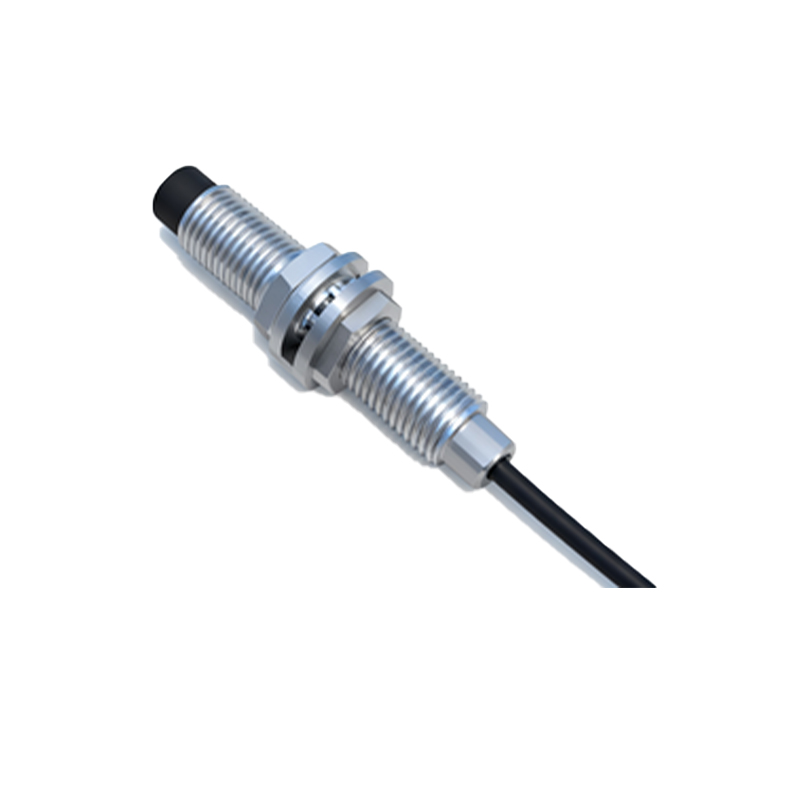
Innovations in threaded proximity sensors include enhanced sensitivity, miniaturization, and integration with IoT systems for real-time monitoring. As industries advance toward smart factories, these sensors play a crucial role in enabling predictive maintenance and data-driven optimization. By providing reliable, contactless detection, threaded proximity sensors contribute to increased efficiency, reduced downtime, and improved safety in automated processes. Their robust design and adaptability make them a cornerstone of industrial sensing technology, supporting diverse sectors from packaging to heavy machinery.
In summary, threaded proximity sensors offer a blend of precision, durability, and ease of use, making them essential for modern automation. Understanding their specifications and applications helps engineers deploy them effectively, driving productivity and innovation in industrial environments.