Photoelectric proximity sensors are indispensable components in modern industrial automation, offering non-contact detection of objects based on the modulation of light. These sensors operate by emitting a beam of light—typically infrared, visible red, or laser—and detecting changes in the received light signal caused by the presence or absence of a target object. The core principle hinges on the interaction between emitted light and the target, which can reflect, absorb, or transmit the light, thereby altering the sensor's output state.
There are three primary operating modes: through-beam, retro-reflective, and diffuse reflective. In through-beam mode, the emitter and receiver are separate units aligned opposite each other. The sensor detects an object when it interrupts the light beam between them. This mode provides the longest sensing ranges and high reliability, as it is less affected by the object's color, texture, or angle. However, installation requires precise alignment and separate wiring for both units, which can be cumbersome in space-constrained environments.
Retro-reflective mode uses a single housing containing both emitter and receiver, along with a reflector placed opposite the sensor. The emitted light bounces off the reflector and returns to the receiver. An object is detected when it blocks this reflected beam. This mode simplifies wiring compared to through-beam sensors but may struggle with shiny or transparent objects that could reflect light directly, causing false triggers. Special polarized filters are often integrated to mitigate this issue by ensuring only light reflected from the retro-reflector is recognized.
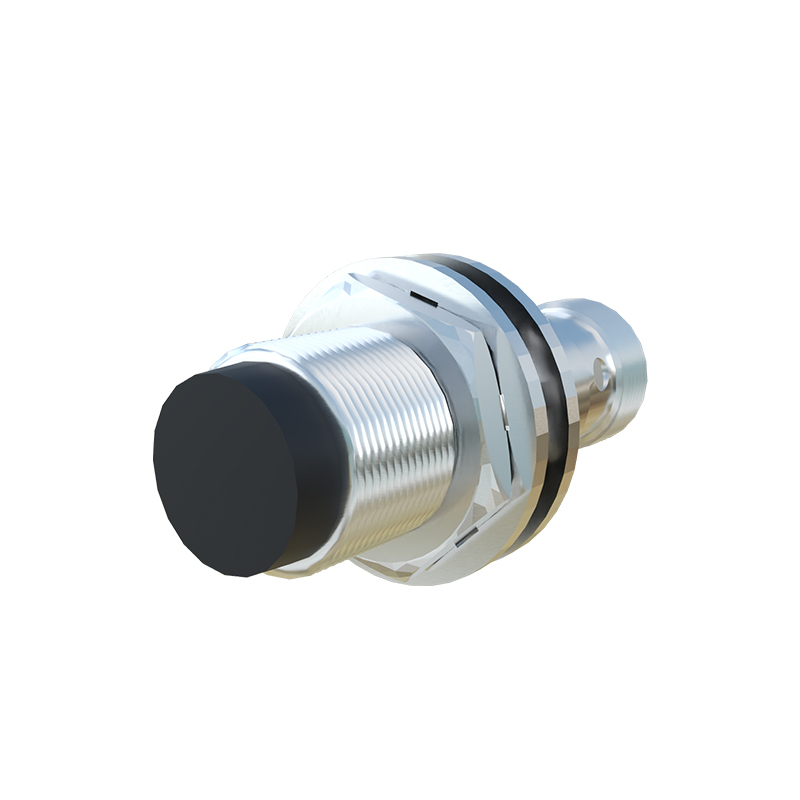
Diffuse reflective mode, also known as proximity mode, relies on the target object itself to reflect light back to the receiver within the same housing. The sensor detects an object based on the intensity of the reflected light. This mode is highly versatile and easy to install, as it requires only a single unit and no separate reflector. However, its performance is influenced by the object's color, surface finish, and distance. Dark or absorbent materials may reflect insufficient light, reducing effective range, while bright objects can be detected from farther away. Advanced models incorporate background suppression techniques or time-of-flight calculations to minimize these material dependencies.
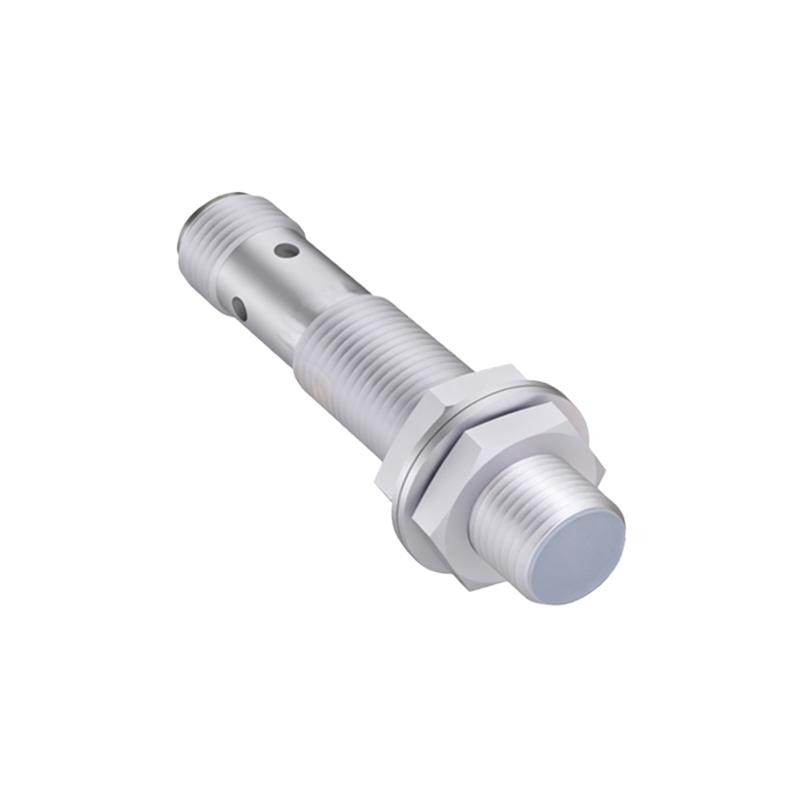
Key components include the light source (often an LED for durability and efficiency), a photodetector (such as a phototransistor or photodiode), and signal processing circuitry. The circuitry amplifies and conditions the received signal, comparing it to a threshold to generate a digital or analog output. Modern sensors feature embedded microcontrollers for functions like teach-in programming, which allows users to set detection thresholds dynamically, and diagnostics such as contamination warnings if lens fouling reduces light transmission.
Applications span diverse industries, from packaging and material handling to automotive assembly and robotics. In conveyor systems, photoelectric sensors detect product presence, count items, or monitor fill levels. They ensure precise positioning in automated guided vehicles (AGVs) and provide safety curtains in hazardous areas. Environmental factors like ambient light, dust, or humidity can affect performance, leading to designs with modulated light signals (e.g., pulsed IR) to distinguish sensor emission from external interference, and enclosures rated to IP67 or higher for durability.
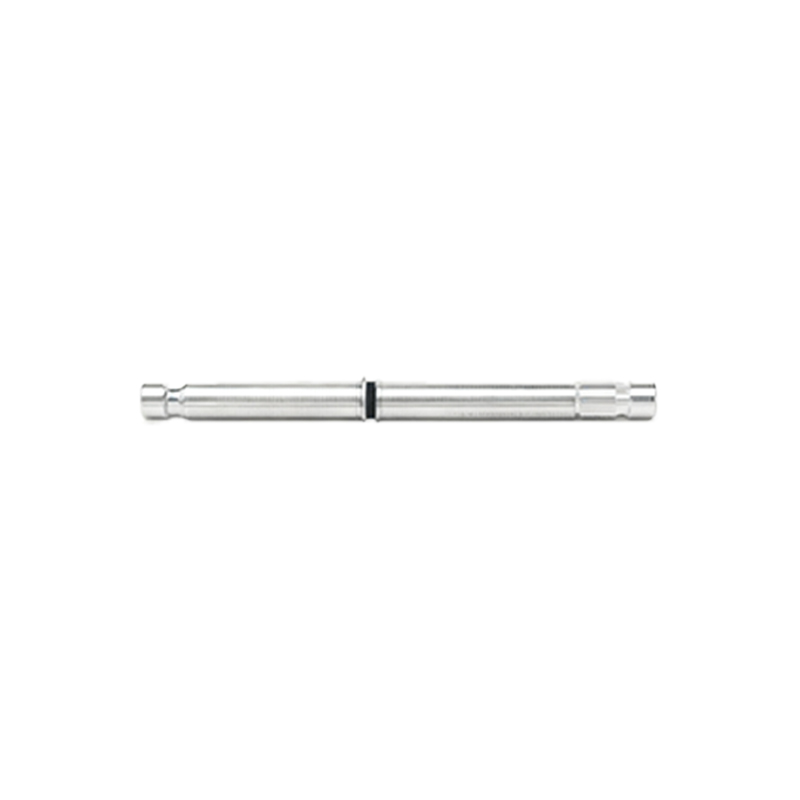
Emerging trends include miniaturization for integration into compact machinery, and smart sensors with IO-Link communication for real-time data exchange and predictive maintenance. Understanding these principles enables engineers to select the appropriate sensor type, configure optimal sensing distances, and maintain robust operation in demanding industrial settings, ultimately enhancing efficiency and reliability in automated processes.