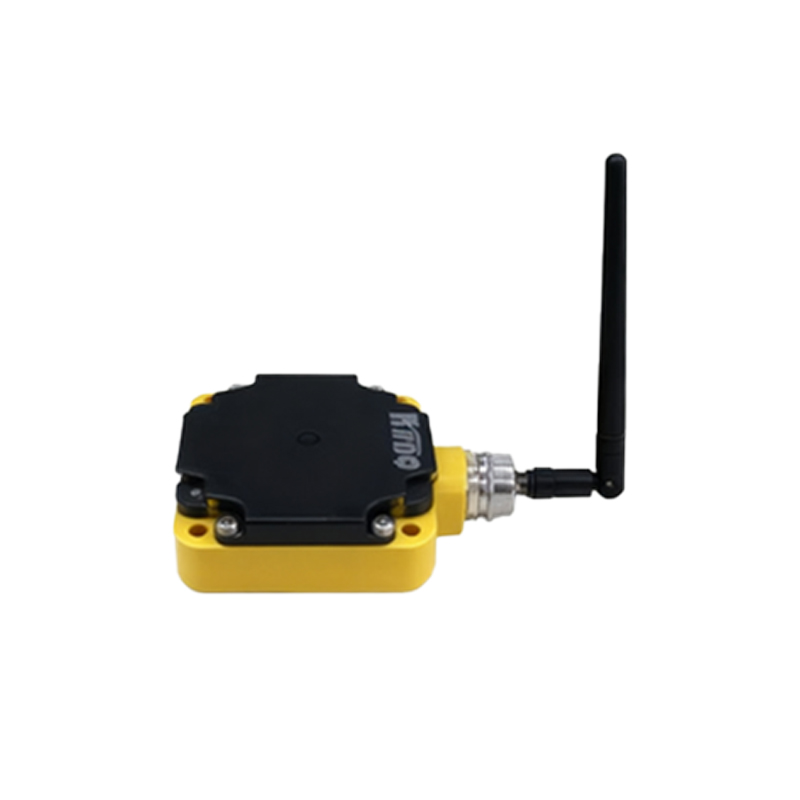
In the rapidly evolving landscape of industrial automation, small proximity sensors have become indispensable components for enhancing efficiency, safety, and precision. These compact devices detect the presence or absence of objects without physical contact, making them ideal for space-constrained applications. If you're wondering where to find reliable small proximity sensors, this guide outlines key sources and considerations to help you make an informed decision.
Small proximity sensors are widely available through specialized industrial suppliers and distributors. Major global suppliers like Siemens, Omron, Rockwell Automation, and Schneider Electric offer extensive catalogs featuring inductive, capacitive, and ultrasonic proximity sensors designed for tight spaces. These manufacturers provide detailed specifications, including sensing ranges, housing materials (e.g., stainless steel or plastic), and output types (e.g., PNP or NDC), ensuring compatibility with diverse industrial environments. Online platforms such as Digi-Key, Mouser, and RS Components are excellent resources for browsing and purchasing these sensors. These sites allow users to filter products by size, sensing distance, and application, facilitating quick comparisons. Additionally, local industrial supply stores often stock popular models for urgent needs, though selection may be limited compared to online inventories.
When sourcing small proximity sensors, consider factors like environmental conditions (e.g., temperature, humidity, and exposure to chemicals), required sensing distance (typically from 1 mm to 20 mm for miniaturized versions), and electrical requirements (e.g., voltage ratings). For custom solutions, direct engagement with manufacturers or authorized distributors is advisable, as they can provide technical support and tailored recommendations. Industry trade shows and exhibitions, such as the Hannover Messe or SPS Smart Production Solutions, also offer opportunities to explore the latest innovations and connect with suppliers.

In summary, finding small proximity sensors involves leveraging both digital and traditional channels. Prioritize suppliers with robust technical documentation and customer support to ensure optimal performance in your specific application, whether it's in packaging machinery, robotics, or automotive assembly lines. By understanding your operational needs and exploring reputable sources, you can seamlessly integrate these sensors into your automation systems.