Proximity speed sensors are critical components in modern industrial automation, providing non-contact detection and precise measurement of rotational or linear speed. These sensors enhance operational efficiency, ensure safety, and support predictive maintenance by monitoring machinery performance in real-time. This article explores the primary types of proximity speed sensors, their working principles, and typical applications across various industries.
Inductive proximity sensors are among the most widely used types. They generate an electromagnetic field and detect changes caused by metallic targets. When a ferrous metal object enters the sensor’s field, it induces eddy currents, altering the oscillation amplitude. This change triggers an output signal proportional to the target’s speed. Inductive sensors are robust, resistant to environmental factors like dust and moisture, and ideal for detecting gear teeth, turbine blades, or motor shafts in automotive, metalworking, and packaging machinery.
Capacitive proximity sensors operate by sensing changes in capacitance. They generate an electrostatic field and detect variations when any material—metallic or non-metallic—enters the sensing area. These sensors can measure speed by monitoring the frequency of target passes, making them suitable for applications involving plastics, liquids, or granular materials. Common uses include conveyor belt speed monitoring in food processing, pharmaceutical production, and woodworking industries.
Hall effect sensors utilize magnetic fields to measure speed. They contain a semiconductor element that produces a voltage when exposed to a magnetic field. As a magnetic target (e.g., a gear with embedded magnets) passes by, the sensor outputs pulses corresponding to the rotational speed. Hall effect sensors offer high accuracy, fast response times, and durability in harsh conditions. They are frequently employed in automotive systems (e.g., wheel speed sensing for ABS), brushless DC motors, and industrial robotics.
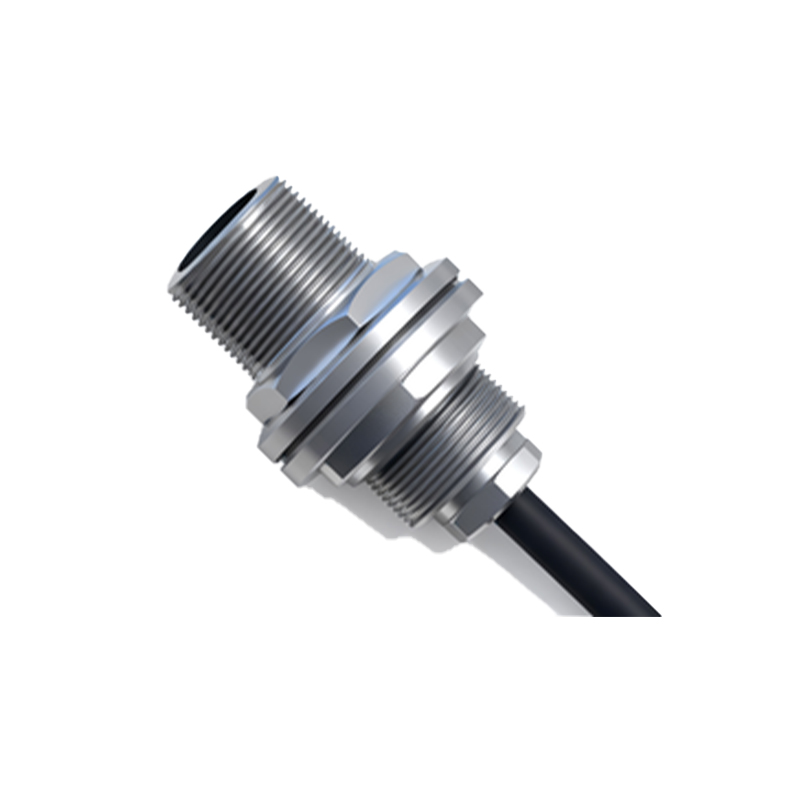
Optical proximity sensors, including infrared and laser types, use light beams to detect motion. They emit light toward a target and measure the reflected signal. Interruptions in the beam, caused by passing objects, generate pulses for speed calculation. Optical sensors provide high resolution and are effective for non-metallic or small targets. However, they may be sensitive to ambient light or contaminants. Applications include printing press synchronization, textile machinery, and high-speed assembly lines.
Ultrasonic proximity sensors measure speed by emitting high-frequency sound waves and analyzing the reflected waves’ frequency shift (Doppler effect). They are versatile for detecting various materials, including liquids and transparent objects, without physical contact. Ultrasonic sensors excel in environments with dust, smoke, or temperature variations, such as mining equipment, HVAC systems, and material handling.
Each sensor type has distinct advantages. Inductive sensors offer reliability with metals; capacitive sensors handle diverse materials; Hall effect sensors ensure precision in magnetic environments; optical sensors deliver high resolution; ultrasonic sensors adapt to challenging conditions. Selection depends on factors like target material, sensing range, environmental conditions, and required accuracy.
In industrial settings, proximity speed sensors enable critical functions. They monitor conveyor speeds to prevent jams, measure motor RPM for efficiency optimization, detect overspeed in turbines for safety, and facilitate synchronization in automated assembly. Integration with PLCs and IoT systems allows for data analytics, enabling predictive maintenance and reducing downtime.
Future trends include miniaturization, enhanced IoT connectivity, and smart sensors with embedded diagnostics. As Industry 4.0 advances, proximity speed sensors will continue to evolve, supporting smarter, more resilient automation systems. Engineers must stay informed about technological developments to leverage these tools effectively, ensuring optimal performance and innovation in industrial operations.