Proximity sensors are indispensable components in modern industrial automation, robotics, and machinery. As an electrical engineer specifying components for a project, understanding the cost factors is as crucial as understanding the technical specifications. The price of a proximity sensor is not a single figure; it is a spectrum influenced by a confluence of technological, application-specific, and commercial variables. This guide breaks down these factors to provide a clear framework for budgeting and procurement.
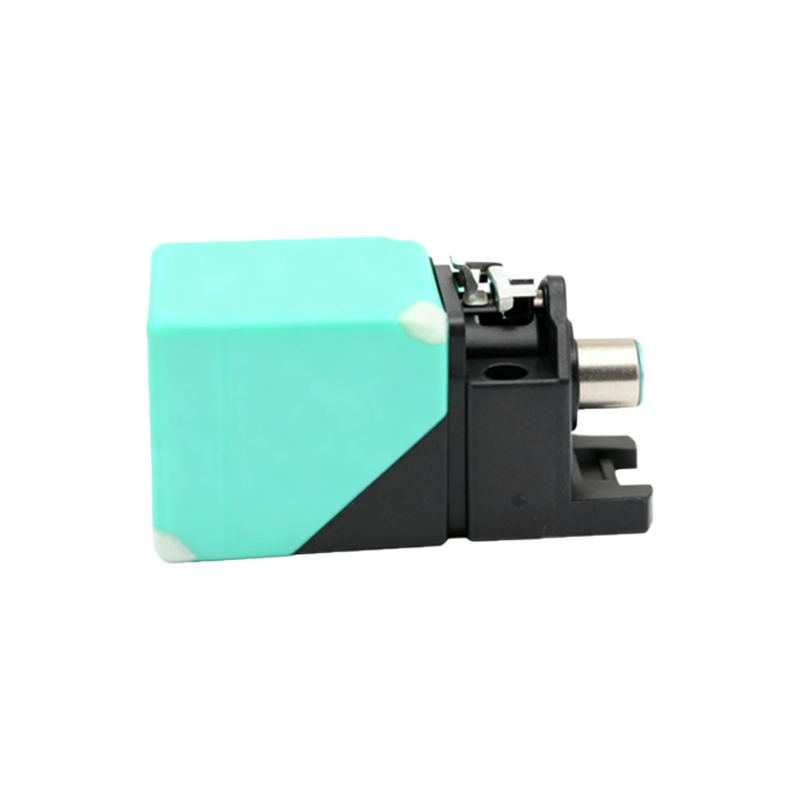
The primary determinant of cost is the underlying sensing technology. Inductive proximity sensors, used for detecting metallic objects, are generally the most economical. Prices for standard cylindrical inductive sensors (e.g., M12 or M18 threaded barrels) can start as low as $15 to $30 for basic models from volume manufacturers. Capacitive sensors, capable of detecting both metallic and non-metallic materials like plastics, liquids, or wood, typically carry a 20% to 50% premium over comparable inductive models due to their more complex circuitry and calibration requirements.
Photoelectric sensors represent a broader and more varied price range. Basic diffuse-reflective sensors might be found in the $30 to $60 range, while more advanced models like through-beam, retro-reflective, or background suppression sensors can range from $50 to $150 or more. The cost escalates with features like precise sensing distance, laser light sources for high accuracy, or specialized housings for harsh environments.
Magnetic sensors (reed switches or Hall-effect sensors) are often among the least expensive, with simple units available for under $10, but their application is limited to detecting magnets. Ultrasonic sensors, used for distance measurement and level detection, occupy a higher tier, often ranging from $80 to $300+, depending on their range, accuracy, and output options.
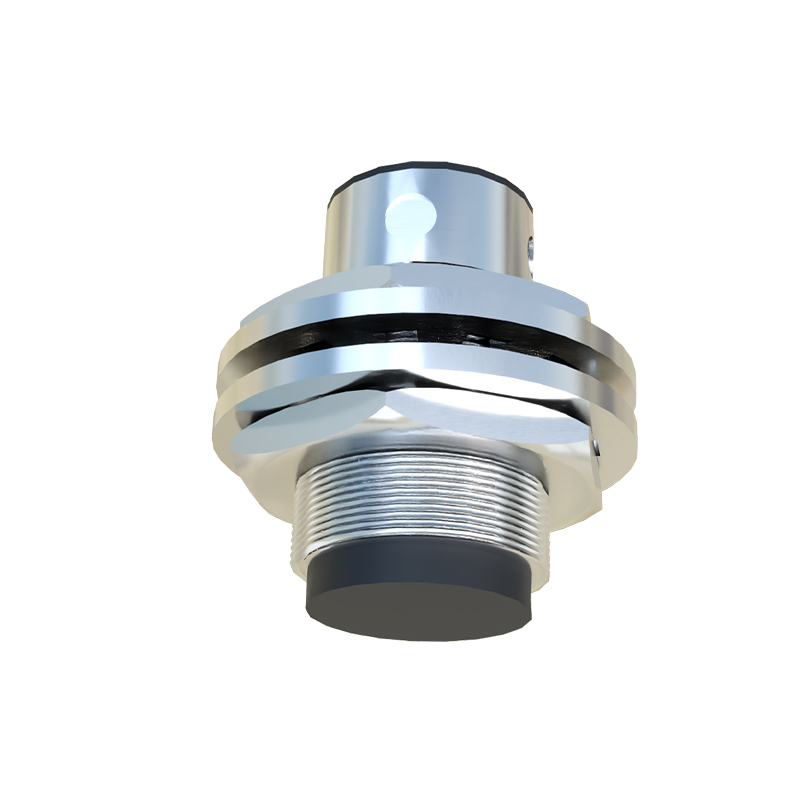
Beyond core technology, specifications dramatically impact price. Sensing range is a key factor; a sensor with a 2mm range will cost less than an identical-technology sensor with a 15mm range. The housing material and protection rating (IP or NEMA) are critical. A standard plastic-bodied sensor with IP67 rating is common, but a stainless-steel housing rated for IP69K (high-pressure washdown) or for use in corrosive environments can double or triple the base price.
Electrical output type also influences cost. Sensors with simple Normally Open (NO) or Normally Closed (NC) PNP/NPN transistor outputs are standard. Models with analog outputs (4-20mA, 0-10V), IO-Link digital communication, or relay outputs command higher prices due to added circuitry and intelligence. IO-Link sensors, which provide detailed diagnostic data and parameterization, can be 30-100% more expensive than their standard digital counterparts but offer significant value in predictive maintenance and flexible automation.
Brand reputation and supply chain positioning are substantial commercial factors. Established global brands like Siemens, Omron, Pepperl+Fuchs, Balluff, and IFM typically have higher price points, justified by proven reliability, extensive global support, certification compliance, and robust documentation. Their prices for a standard inductive sensor might range from $40 to $100. In contrast, competitive brands or generic suppliers, often from Asian manufacturers, can offer similar-specification sensors at 30% to 60% lower cost, though with potential trade-offs in long-term reliability, consistency, and technical support.
Quantity is, unsurprisingly, a major lever. Unit price for a one-off purchase from a distributor will be significantly higher than the price negotiated for an annual volume commitment of 500 or 5000 pieces. For large OEM projects, engaging directly with manufacturer representatives for volume pricing is essential.
Finally, consider the total cost of ownership, not just the unit price. A cheaper sensor that fails prematurely can cause costly unplanned downtime. A sensor without the right protection rating may fail in a dusty or wet environment, leading to replacement costs and production halts. Investing in a sensor with the correct specifications, adequate durability, and from a supplier with reliable delivery can reduce long-term operational risk and expense.
In summary, while a basic inductive sensor can be sourced for around $20, a fully-featured, long-range photoelectric or ultrasonic sensor from a premium brand can easily exceed $200. The key is to precisely define the application requirements: target material, required sensing distance, environmental conditions, output needed, and required certifications. With these parameters locked down, engineers can effectively evaluate options across the price spectrum, balancing initial investment against performance, reliability, and lifecycle cost to make the optimal technical and economic decision for their system.