In the realm of industrial and residential safety, the precise monitoring of methane gas is paramount. Methane, a primary component of natural gas, is colorless, odorless, and highly flammable, posing significant risks of explosion, fire, and health hazards when it accumulates in confined spaces. Traditional detection methods, such as catalytic bead or electrochemical sensors, have served industries for decades. However, the advent of laser-based technology has revolutionized gas detection, offering unparalleled accuracy, stability, and reliability. Indoor laser methane sensors represent the cutting edge of this evolution, providing a sophisticated solution for continuous, real-time monitoring in various enclosed environments.
The core technology behind indoor laser methane sensors is Tunable Diode Laser Absorption Spectroscopy (TDLAS). This method operates on the principle of spectral absorption. A laser diode emits a beam of light at a specific wavelength that corresponds to an absorption line of the methane molecule. As this laser beam passes through the air sample, methane molecules absorb a portion of the light energy. A photodetector then measures the intensity of the light after it has traversed the measurement path. The degree of absorption is directly proportional to the concentration of methane present in the air. This spectroscopic approach is highly selective, meaning it is virtually immune to interference from other gases, water vapor, or environmental contaminants—a common challenge with older sensor technologies that can lead to false alarms or missed detections.
Key advantages of deploying indoor laser methane sensors are numerous. Firstly, they offer exceptional precision and a wide dynamic range, capable of detecting methane concentrations from trace levels (parts-per-million) up to lower explosive limit (LEL) percentages. This sensitivity allows for the early detection of minor leaks before they escalate into dangerous situations. Secondly, these sensors exhibit remarkable long-term stability and require minimal calibration compared to their catalytic counterparts, which can drift and degrade over time due to poisoning or exposure to certain chemicals. The non-contact nature of the measurement also means the sensor does not consume the target gas, ensuring a longer operational lifespan and reduced maintenance costs.

Typical applications for indoor laser methane sensors span across critical infrastructure. In residential and commercial buildings utilizing natural gas for heating or cooking, these sensors can be integrated into HVAC systems or installed in boiler rooms, kitchens, and utility closets to provide continuous protection. Within industrial settings such as manufacturing plants, petrochemical facilities, and wastewater treatment plants, they are essential for monitoring pump stations, compressor rooms, and pipeline junctions. Data centers and telecommunications hubs also employ these sensors to guard against fuel cell or generator leaks. The sensors can be configured for area monitoring or point-specific detection, often featuring digital outputs (like 4-20mA, Modbus, or Ethernet) for seamless integration into building management systems (BMS) or industrial safety platforms, enabling automated responses such as ventilation activation or alarm triggers.
When selecting and installing an indoor laser methane sensor, several engineering considerations must be addressed. The optimal placement is crucial; sensors should be located near potential leak sources and in areas where gas, being lighter than air, might accumulate—often near ceilings or in upper sections of a room. Environmental factors like temperature extremes, dust, and vibration should be accounted for, with many modern housings offering robust IP ratings for durability. Furthermore, regular functional testing, though less frequent than with other sensors, is recommended to verify system integrity. The initial investment in laser technology is often higher than traditional options, but the total cost of ownership is frequently lower due to reduced maintenance, calibration, and false alarm incidents, leading to enhanced operational efficiency and safety compliance.
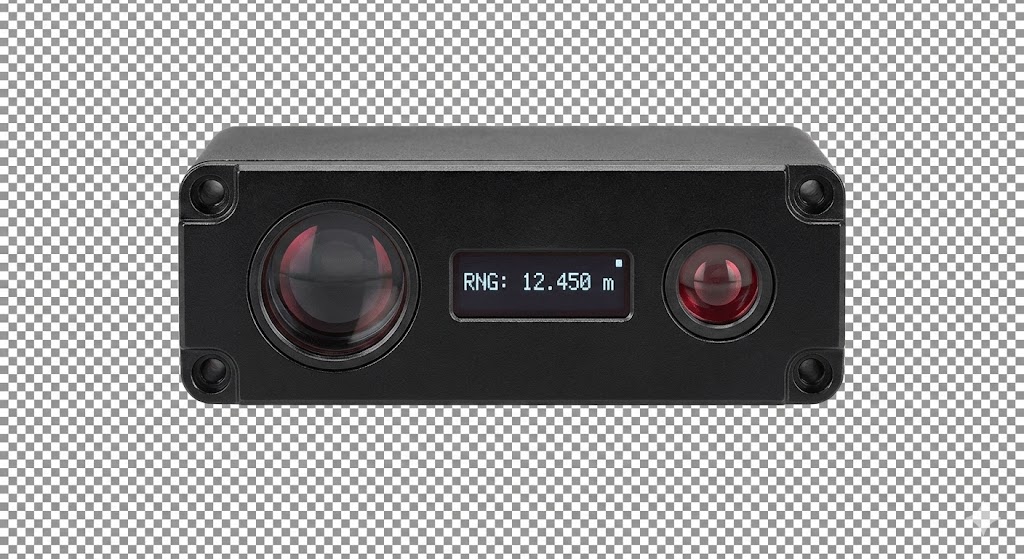
In conclusion, indoor laser methane sensors embody a significant technological leap in gas detection. By leveraging the precision of laser absorption spectroscopy, they deliver reliable, interference-free monitoring that is critical for preventing accidents and ensuring safety in enclosed spaces. As regulations tighten and the focus on asset protection and human safety intensifies, the adoption of this advanced sensing technology is set to become a standard practice for engineers and safety managers aiming to mitigate risks associated with methane gas in indoor environments.