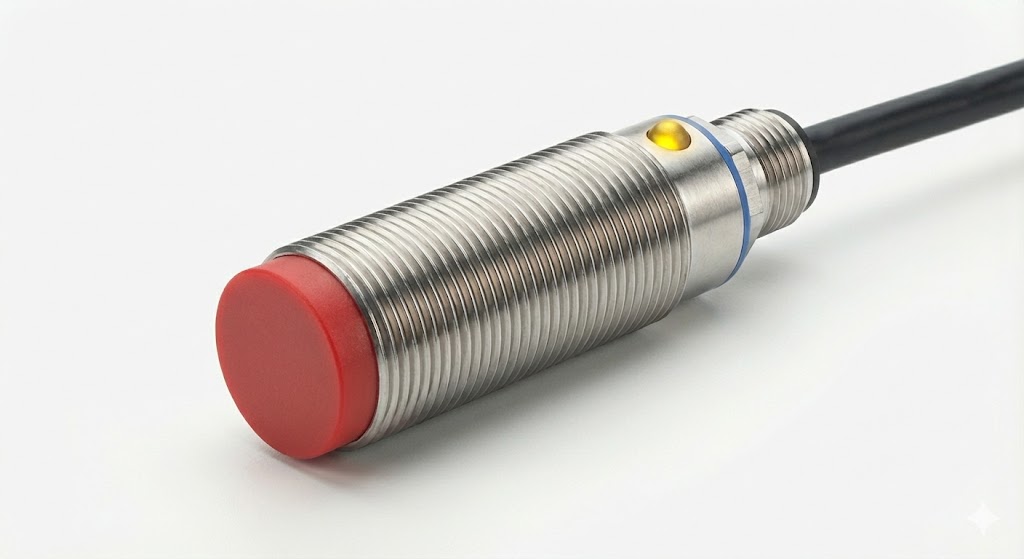
In the world of automation, consumer electronics, and industrial safety, the proximity sensor is an indispensable component. These devices, which detect the presence or absence of an object without physical contact, are critical for countless applications. Consequently, understanding proximity sensor pricing is a key concern for engineers, procurement specialists, and hobbyists alike. The price of a proximity sensor is not a single figure but a spectrum influenced by a complex interplay of technology, specification, and market forces.
At the most fundamental level, the operating principle of the sensor is a primary cost driver. Inductive proximity sensors, designed to detect metallic objects, are often among the most economical, with basic shielded barrel-style models starting as low as $15 to $30 USD. Capacitive sensors, capable of detecting both metallic and non-metallic materials like liquids or plastics, typically command a higher price point, often ranging from $30 to $60 for standard units. For longer-range detection or specific material sensing, photoelectric sensors (through-beam, retro-reflective, diffuse) see a wider range, from $25 for simple models to well over $100 for advanced versions with precise background suppression. Ultrasonic sensors, excellent for distance measuring and level detection, generally sit in a higher bracket, frequently starting around $50 and extending into the hundreds.
Beyond the core technology, performance specifications drastically affect cost. Sensing range is a major factor; a sensor with a 2mm range will be significantly cheaper than one rated for 20mm or 2 meters. The housing material also plays a role: industrial-grade sensors with robust nickel-plated brass or stainless-steel housings for harsh environments (resistant to chemicals, extreme temperatures, or washdowns) are priced higher than those with plastic PBT housings for lighter duties. Output configuration (PNP vs. NPN, analog vs. digital, NO vs. NC) and connection type (pre-wired cable vs. quick-disconnect) add further variables.
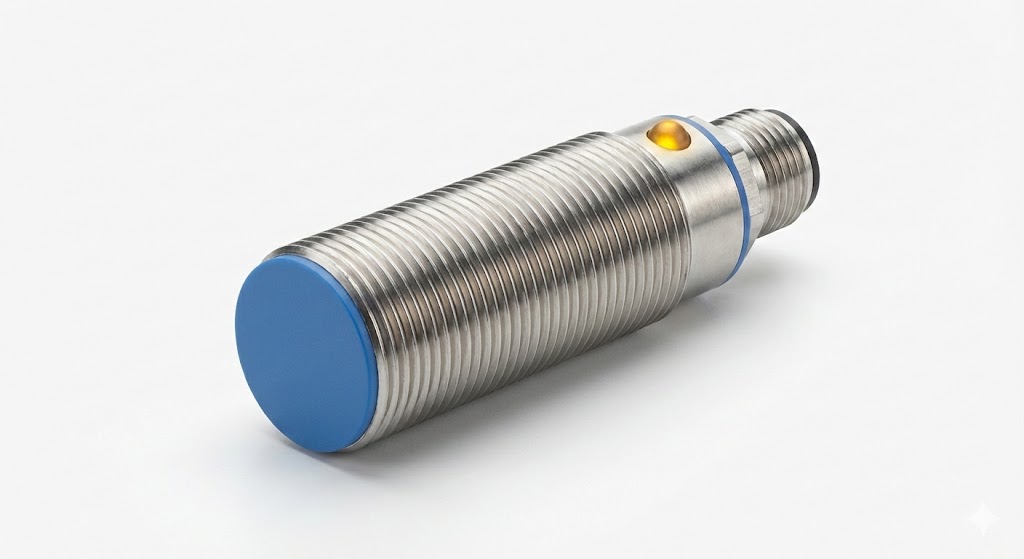
Brand reputation and supply chain positioning are undeniable factors in the price equation. Established global brands like Omron, Sick, Pepperl+Fuchs, and Balluff are associated with high reliability, extensive R&D, and global support networks, which is reflected in premium pricing. Their sensors can easily cost 50% to 100% more than a functionally similar sensor from a generic or regional manufacturer. However, this premium often buys proven durability, stringent quality control, and accessible technical documentation. Conversely, many competitive brands and OEM suppliers, particularly from Asian markets, offer highly attractive prices, sometimes under $10 for basic inductive sensors, making them suitable for cost-sensitive, high-volume applications where absolute top-tier performance is not critical.
The purchasing channel also influences the final price. Buying directly from an authorized distributor or the manufacturer typically ensures authenticity and warranty but may not offer the lowest unit price for small quantities. Online marketplaces and electronics component suppliers can provide competitive pricing and fast shipping for small orders, though buyers must be vigilant about counterfeit products. For large-scale OEM projects, negotiating directly with manufacturers or their major distributors for volume discounts is standard practice and can reduce unit costs dramatically.
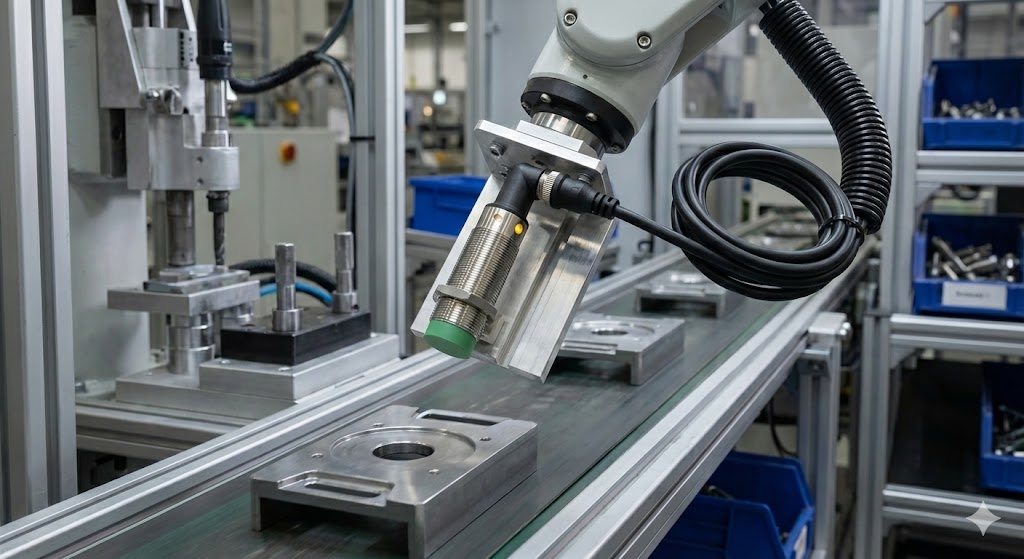
When planning a purchase, focusing solely on the initial sensor price can be a costly mistake. The total cost of ownership (TCO) includes installation time, wiring, potential downtime due to failure, and maintenance. A slightly more expensive sensor from a reputable brand with a longer mean time between failures (MTBF) can save thousands in production line stoppages. Always cross-reference the sensor's specifications—such as IP rating for ingress protection, operating voltage range, and temperature ratings—with your application's actual requirements. Over-specifying leads to unnecessary expense, while under-specifying risks premature failure.
In summary, the price of a proximity sensor in 2024 is a direct reflection of its capabilities, build quality, and brand value. Prices can range from less than $10 for a simple, generic inductive sensor to over $500 for a specialized, long-range analog ultrasonic sensor in a heavy-duty housing. By carefully analyzing the technical requirements of the application, considering the total cost of ownership, and sourcing from reputable suppliers, buyers can navigate this market effectively, finding the optimal balance between performance, reliability, and cost for their specific needs.