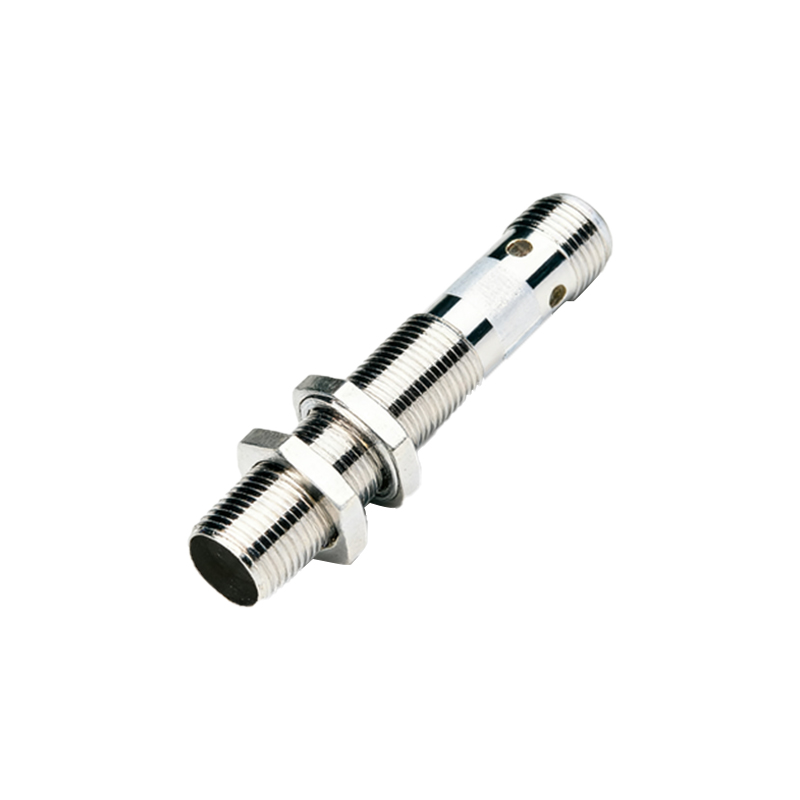
The proximity sensor industry stands at a pivotal juncture, driven by relentless automation, the proliferation of the Internet of Things (IoT), and the demand for smarter, safer human-machine interfaces. For a company specializing in this domain, strategic growth is not merely an option but a necessity to maintain technological leadership and market relevance. The journey begins with a deep understanding of core technological pillars. Modern proximity sensors, encompassing inductive, capacitive, ultrasonic, and photoelectric types, must evolve beyond basic detection. The integration of advanced materials for enhanced sensitivity, robust housing for extreme environments, and sophisticated signal processing algorithms for noise immunity forms the bedrock of a superior product portfolio. Innovation must be continuous, focusing on miniaturization, energy efficiency, and the ability to detect a broader range of materials with higher precision.
Market expansion is the second critical vector. While traditional strongholds like automotive manufacturing (for assembly line robotics and vehicle safety systems) and industrial automation remain lucrative, the future lies in diversification. Emerging sectors such as collaborative robotics (cobots), smart agriculture, medical devices, and consumer electronics present vast, untapped opportunities. A proactive approach involves not just selling components but offering tailored sensing solutions. This requires close collaboration with OEMs and system integrators from the design phase, understanding their unique challenges in space constraints, power budgets, and data integration needs. Establishing a global distribution and technical support network is equally vital to serve international clients effectively.
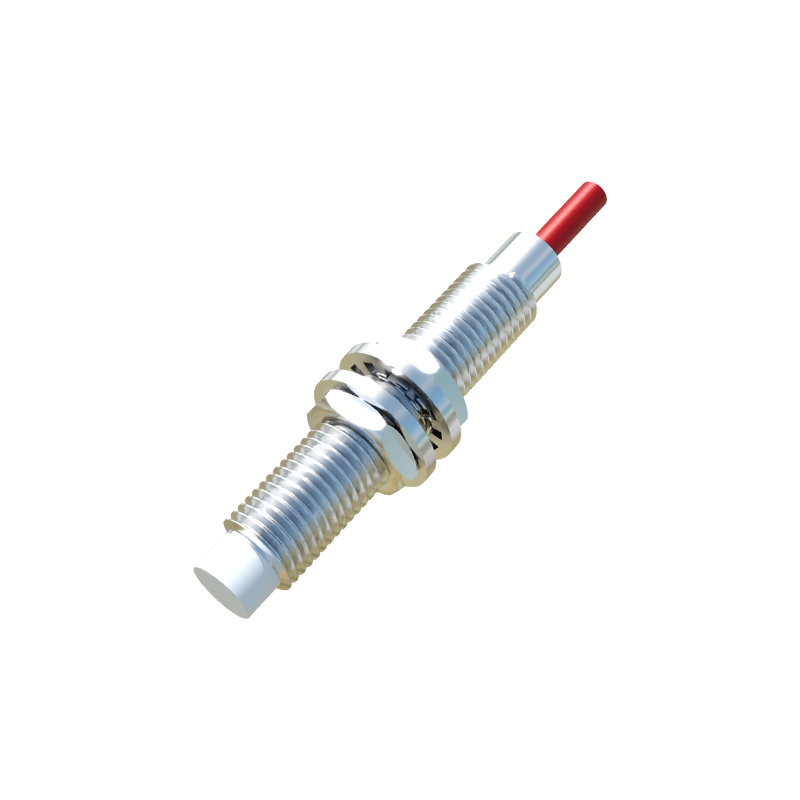
Operational excellence underpins all strategic ambitions. A lean, agile manufacturing process that can scale rapidly while maintaining stringent quality control is non-negotiable. Implementing Industry 4.0 principles within one's own production facilities—using sensors to monitor and optimize the manufacturing of sensors—serves as a powerful testament to product efficacy. Furthermore, investing in a skilled workforce of engineers, data scientists, and application specialists ensures the company can navigate the complexities of custom projects and provide unparalleled after-sales support. A culture of continuous improvement and rigorous testing, simulating millions of operational cycles, builds a reputation for reliability that becomes the company's most valuable brand asset.
Finally, navigating the competitive landscape requires a clear value proposition. While cost is a factor, competing solely on price is a race to the bottom. The differentiator must be superior performance, exceptional durability, and intelligent features like predictive maintenance diagnostics or easy integration via IO-Link or other industrial communication protocols. Strategic partnerships with semiconductor firms and research institutions can accelerate R&D cycles. Moreover, a strong digital presence, including detailed technical documentation, application notes, and interactive selection tools, empowers customers and generates qualified leads. In conclusion, the path for a proximity sensor company is one of balanced growth: deep technological expertise, strategic market penetration, operational rigor, and a customer-centric philosophy. By executing this multi-faceted blueprint, a company can transition from being a supplier to becoming an indispensable innovation partner in the automated world.