In the realm of industrial safety and environmental monitoring, laser methane sensors have emerged as a critical technology for detecting methane leaks with high precision and reliability. These sensors utilize tunable diode laser absorption spectroscopy (TDLAS) to measure methane concentrations, offering advantages such as fast response times, minimal cross-sensitivity to other gases, and the ability to operate over long distances. As industries worldwide face increasing regulatory pressures and a growing emphasis on sustainability, selecting a reputable laser methane sensor manufacturer becomes paramount. This article explores key manufacturers driving innovation in this field, highlighting their technologies, applications, and contributions to safety and environmental stewardship.
One prominent player in the laser methane sensor market is Company A, known for its robust and versatile sensor solutions. Their products are widely used in oil and gas facilities, where continuous monitoring of methane emissions is essential for preventing explosions and ensuring compliance with environmental standards. Company A's sensors feature advanced algorithms that reduce false alarms and enhance measurement accuracy, even in harsh conditions. With a global distribution network, they provide comprehensive support, including installation, calibration, and maintenance services, making them a trusted partner for industrial clients.
Another leading manufacturer, Company B, specializes in portable laser methane detectors designed for field inspections and leak surveys. These handheld devices are favored by utility companies and environmental agencies for their ease of use and real-time data logging capabilities. Company B invests heavily in research and development, focusing on improving sensor sensitivity and battery life. Their latest models integrate Bluetooth connectivity, allowing users to sync data with mobile applications for streamlined reporting and analysis. This innovation underscores the trend toward digitalization in gas detection, enabling more efficient monitoring workflows.
For large-scale applications such as landfill monitoring and biogas plants, Company C offers fixed laser methane sensors that provide continuous, area-wide coverage. Their systems employ open-path technology, which can detect methane plumes over distances of up to several hundred meters. This capability is particularly valuable for identifying diffuse emissions that might be missed by point sensors. Company C emphasizes sustainability in its manufacturing processes, using recyclable materials and reducing energy consumption. Their commitment to environmental responsibility aligns with the broader goals of industries seeking to minimize their carbon footprint.
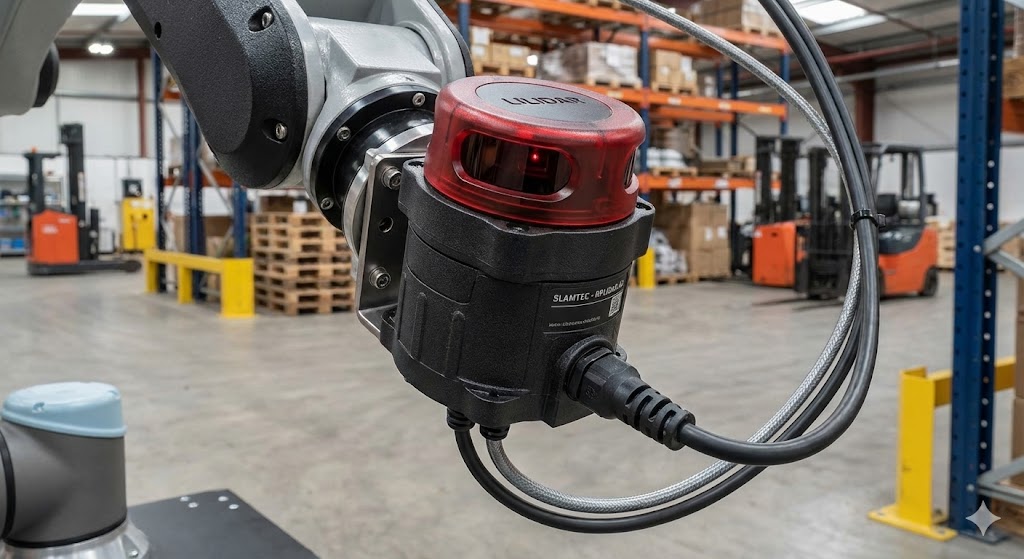
In addition to these established manufacturers, several emerging companies are pushing the boundaries of laser methane sensor technology. Start-up D, for instance, has developed a miniaturized sensor that can be deployed on drones for aerial methane mapping. This approach allows for rapid assessment of hard-to-reach areas, such as offshore platforms or remote pipelines, enhancing safety and reducing inspection costs. By leveraging artificial intelligence, Start-up D's sensors can differentiate between natural methane sources and anthropogenic leaks, providing actionable insights for mitigation efforts.
The adoption of laser methane sensors is also driven by regulatory frameworks like the EPA's methane rules in the United States and the EU's Green Deal initiatives. Manufacturers must ensure their products meet stringent certification standards, such as SIL ratings for functional safety and ATEX directives for use in explosive atmospheres. Reputable manufacturers conduct rigorous testing and validation to guarantee performance under real-world conditions. Customers should prioritize suppliers with proven track records and transparent documentation, including calibration certificates and compliance reports.
Looking ahead, the laser methane sensor market is poised for growth, fueled by advancements in laser technology, IoT integration, and increasing awareness of climate change. Future sensors may incorporate multi-gas detection capabilities or hybrid systems that combine TDLAS with other sensing methods for enhanced reliability. Manufacturers that invest in innovation and customer-centric solutions will lead the way in promoting industrial safety and environmental protection.
In conclusion, choosing the right laser methane sensor manufacturer involves evaluating factors such as technology robustness, application suitability, and regulatory compliance. By partnering with industry leaders, organizations can effectively manage methane risks, reduce emissions, and contribute to a safer, more sustainable world. As technology evolves, these sensors will continue to play a vital role in safeguarding both people and the planet.