In the realm of industrial automation and control systems, the ability to detect objects without physical contact is a fundamental requirement. Among the various non-contact sensing technologies, long-distance proximity sensors stand out for their capability to reliably sense targets from several millimeters to even tens of meters away. These sensors are pivotal in enhancing efficiency, safety, and flexibility in modern manufacturing, material handling, and process industries.
The core principle behind most long-distance proximity sensors involves emitting an energy field or beam and detecting changes in that field caused by the presence of an object. The primary technologies employed are inductive, capacitive, ultrasonic, and photoelectric sensing. Inductive sensors generate an electromagnetic field to detect metallic objects, typically offering ranges up to 60-70 mm for ferrous metals. For non-metallic materials like wood, plastic, or liquids, capacitive sensors are used, which sense changes in capacitance, with some models capable of ranges up to 40 mm. However, for truly long-range detection, ultrasonic and photoelectric sensors are the technologies of choice.
Ultrasonic proximity sensors operate by emitting high-frequency sound waves (beyond human hearing) and measuring the time it takes for the echo to return from a target. This time-of-flight principle allows them to detect objects regardless of color, transparency, or material composition, making them exceptionally versatile. Standard sensing ranges can extend from a few centimeters to over 10 meters. They excel in challenging environments with dust, smoke, or light interference, but their performance can be affected by temperature gradients, wind, and highly absorbent surfaces.
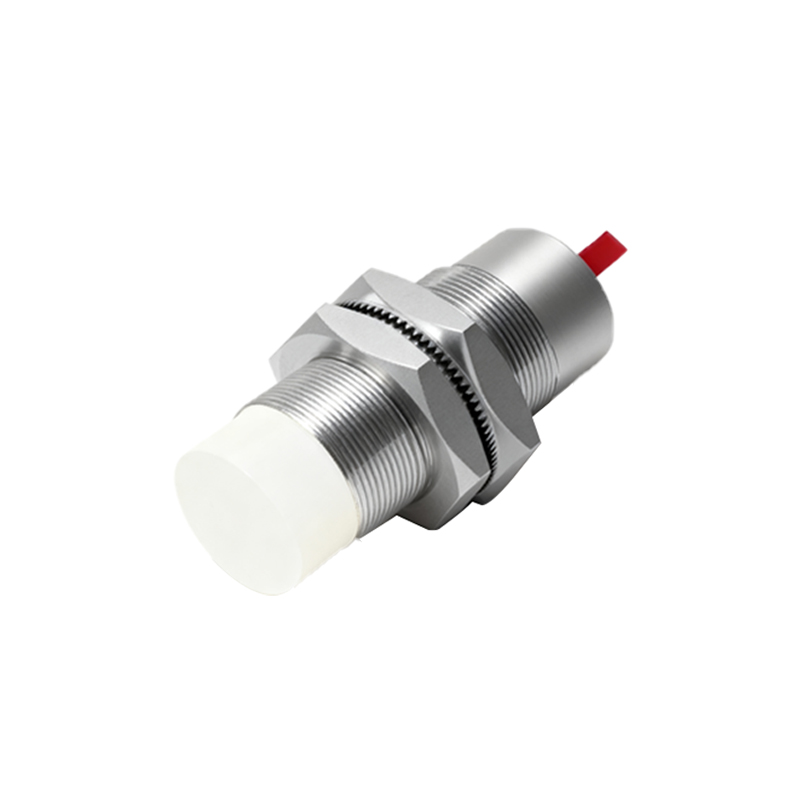
Photoelectric sensors, often providing the longest ranges, use a beam of light—visible red, infrared, or laser—to detect objects. They come in three main configurations: through-beam, retro-reflective, and diffuse-reflective. Through-beam sensors, with a separate emitter and receiver, offer the highest reliability and longest range, often exceeding 100 meters in clear air. Retro-reflective types use a reflector and can achieve ranges of tens of meters. Diffuse-reflective sensors, which detect light reflected directly from the target, are suitable for shorter long-range applications, typically up to 2-3 meters, and are sensitive to the target's color and reflectivity. Laser-based photoelectric sensors provide extremely precise, long-range detection for positioning and measurement tasks.
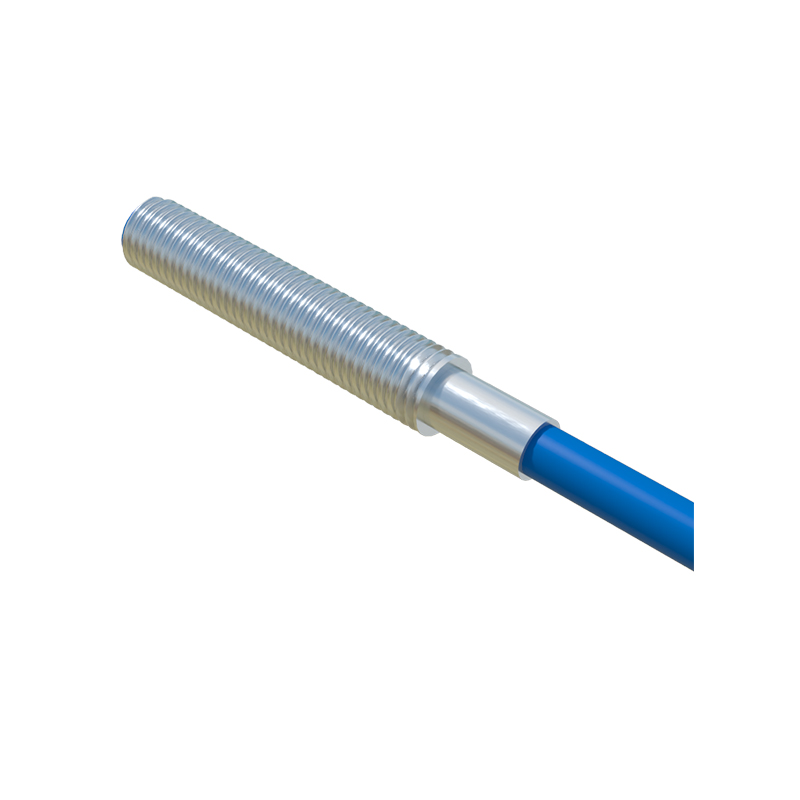
Selecting the appropriate long-distance proximity sensor requires a careful analysis of the application parameters. The key factors include:
1. Sensing Range: The required operating distance and the necessary excess (over-travel) to ensure reliable detection.
2. Target Characteristics: Material, size, color, surface finish, and possible orientation changes.
3. Environmental Conditions: Presence of dust, moisture, oil, temperature extremes, vibration, and ambient light.
4. Output Requirements: The type of electrical output needed (e.g., digital PNP/NPN, analog 4-20 mA, IO-Link) to interface with the PLC or controller.
5. Response Time: The speed at which the sensor must detect the target and switch its output, critical for high-speed production lines.
6. Mounting and Form Factor: The physical constraints for installing the sensor.
Applications for these sensors are vast. In automotive assembly, long-range photoelectric sensors control robot work envelopes and verify part presence on conveyors. In warehouse automation, ultrasonic sensors guide autonomous mobile robots (AMRs) and detect pallets on high-bay racks. In the food and beverage industry, capacitive sensors monitor liquid levels in large tanks from the outside. In forestry and lumber, robust ultrasonic sensors measure log diameters on sorting lines.
The integration of smart features via industrial communication protocols like IO-Link is a significant trend. This allows for remote configuration, real-time diagnostics, and parameter adjustment, such as teaching new sensing distances without manual intervention, thereby reducing downtime and maintenance costs.
In conclusion, long-distance proximity sensors are indispensable tools for modern industrial systems. Understanding the strengths and limitations of ultrasonic, photoelectric, inductive, and capacitive technologies is crucial for optimal selection. By matching the sensor's capabilities to the specific demands of the application—considering range, target, environment, and required intelligence—engineers can build more resilient, efficient, and adaptive automated processes, pushing the boundaries of what is possible in industrial sensing and control.