In the field of industrial automation and electrical engineering, sensors play a critical role in monitoring, controlling, and optimizing processes. A common misconception among newcomers and even some seasoned professionals is that all sensors are proximity switches. This belief stems from the widespread use and visibility of proximity switches in various applications, but it overlooks the vast diversity of sensor technologies available today. This article aims to clarify this misconception by exploring the differences between sensors and proximity switches, their functionalities, and their respective roles in modern systems.
To begin, it is essential to define what a sensor is. A sensor is a device that detects and responds to input from the physical environment, such as light, heat, motion, pressure, or chemical changes. The output of a sensor is typically an electrical signal that can be interpreted by a control system, like a PLC (Programmable Logic Controller) or microcontroller. Sensors are broadly categorized based on their sensing principles, including optical, ultrasonic, inductive, capacitive, and piezoelectric types, among others. They serve as the "eyes and ears" of automated systems, enabling precise measurement and feedback.
On the other hand, a proximity switch is a specific type of sensor designed to detect the presence or absence of an object without physical contact. It operates based on electromagnetic fields, such as inductive proximity switches for metallic objects or capacitive proximity switches for non-metallic materials. Proximity switches are binary devices, meaning they provide a simple on/off signal when an object enters their detection range. They are commonly used in applications like object counting, position sensing, and safety interlocks in machinery. For instance, in a conveyor belt system, an inductive proximity switch might detect metal parts to trigger sorting mechanisms.
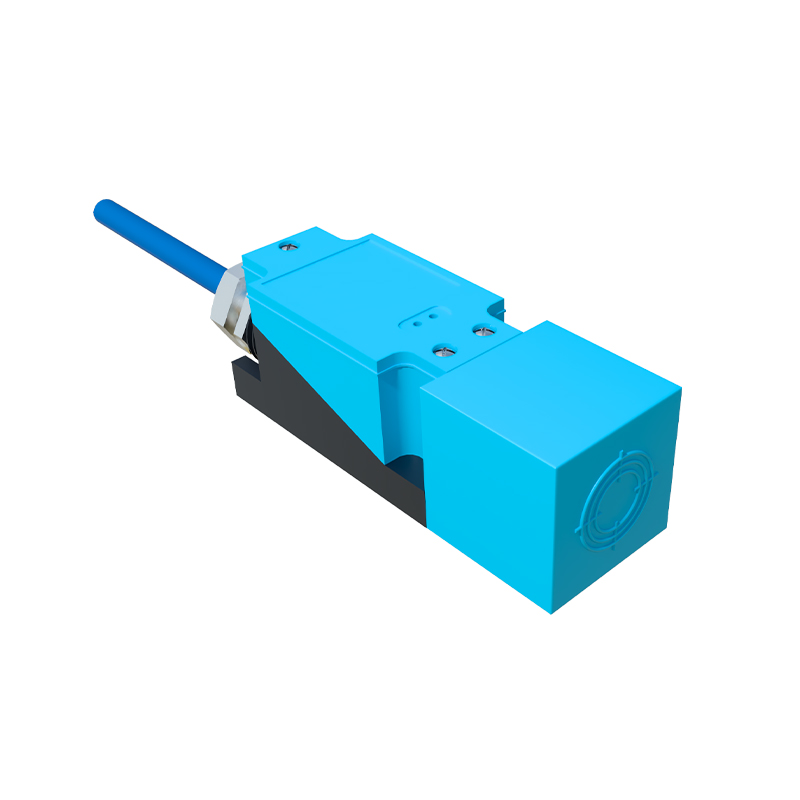
However, not all sensors function as proximity switches. Many sensors are analog devices that measure continuous variables rather than just presence detection. For example, a temperature sensor like a thermocouple or RTD (Resistance Temperature Detector) provides a varying voltage or resistance output corresponding to temperature changes, allowing for precise thermal control in processes like HVAC or manufacturing. Similarly, pressure sensors convert force into electrical signals to monitor fluid levels or system integrity, while photoelectric sensors use light beams to detect objects over longer distances or in challenging environments, offering more versatility than typical proximity switches.
Moreover, some sensors are designed for specialized applications that go beyond simple proximity detection. Ultrasonic sensors measure distance by emitting sound waves and calculating echo times, useful in level sensing or obstacle avoidance. Vision sensors, incorporating cameras and image processing, can identify shapes, colors, and defects, enabling quality inspection in production lines. In contrast, proximity switches are limited to binary detection and lack the capability for detailed analysis or measurement.
The confusion between sensors and proximity switches often arises because proximity switches are a subset of sensors, much like how all squares are rectangles but not all rectangles are squares. In industrial settings, proximity switches are frequently highlighted due to their robustness, reliability, and ease of integration in harsh conditions, such as in automotive assembly or packaging machinery. This prominence can lead to the oversimplified view that all sensors serve similar purposes. However, understanding the distinction is crucial for selecting the right component for a given task, as using a proximity switch where a more sophisticated sensor is needed can result in inefficiencies or system failures.
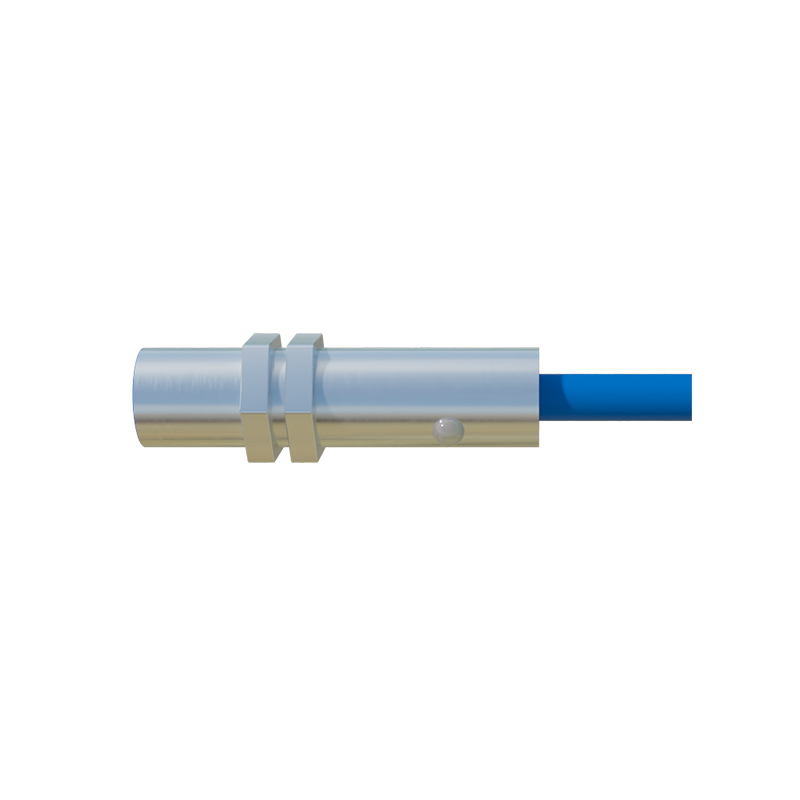
In summary, while proximity switches are a valuable type of sensor for non-contact object detection, they represent only one category within the broader sensor ecosystem. Sensors encompass a wide range of devices that measure various physical parameters, from temperature and pressure to light and sound. As technology advances, the integration of smart sensors with IoT (Internet of Things) capabilities further expands their roles beyond traditional switching functions. For engineers and technicians, recognizing this diversity is key to designing effective and innovative solutions in electrical and automation projects. By debunking the myth that all sensors are proximity switches, we can foster better system design and enhance operational efficiency across industries.