In the realm of industrial automation, proximity sensors play a pivotal role in enhancing efficiency, safety, and precision. Among the leading manufacturers, Fideco has established a reputation for producing high-quality proximity sensors that cater to diverse industrial needs. This article delves into the technical aspects, key features, and practical applications of Fideco proximity sensors, providing insights for engineers and industry professionals.
Fideco proximity sensors are non-contact devices designed to detect the presence or absence of objects within a specified range. They operate based on electromagnetic fields, capacitive principles, or inductive technology, depending on the model and application requirements. Inductive sensors, for instance, are ideal for detecting metallic objects, while capacitive sensors can handle non-metallic materials such as plastics, liquids, or granular substances. This versatility makes Fideco sensors suitable for a wide array of environments, from manufacturing floors to harsh outdoor settings.
One of the standout features of Fideco proximity sensors is their robust construction. Built to withstand extreme conditions, these sensors often feature IP67 or higher ingress protection ratings, ensuring resistance to dust, water, and mechanical impacts. This durability translates to reduced downtime and maintenance costs, a critical factor in high-stakes industrial operations. Additionally, Fideco sensors are known for their high switching frequency and precision, enabling rapid detection and response in fast-paced production lines. For example, in automotive assembly, they facilitate accurate positioning of components, while in packaging industries, they ensure consistent product counting and sorting.
The integration of advanced technologies further enhances the performance of Fideco proximity sensors. Many models incorporate temperature compensation mechanisms to maintain accuracy across varying thermal conditions, which is essential in processes like metal forging or food processing. Moreover, Fideco offers sensors with adjustable sensing ranges and output configurations (e.g., NPN, PNP, or analog signals), allowing for seamless compatibility with different control systems, including PLCs and microcontrollers. This flexibility simplifies installation and customization, empowering engineers to optimize sensor setups for specific tasks.
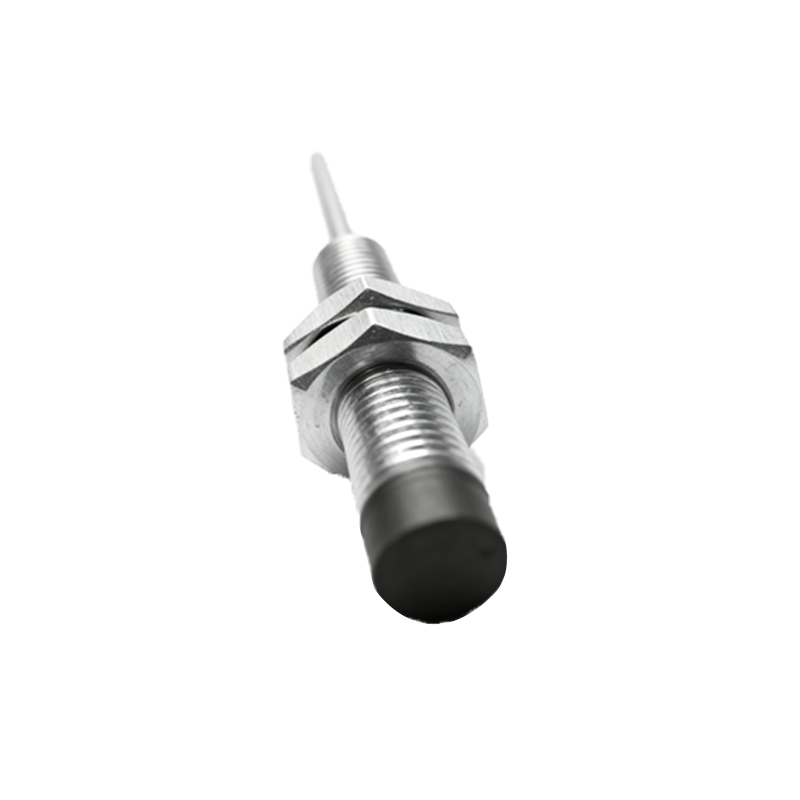
In practical applications, Fideco proximity sensors excel in scenarios requiring reliability and precision. In material handling systems, they detect object presence on conveyor belts, preventing jams and ensuring smooth workflow. In robotics, they enable collision avoidance and precise movement control, enhancing operational safety. The mining and construction sectors benefit from their ability to monitor equipment proximity, reducing the risk of accidents. Furthermore, Fideco sensors are utilized in quality control processes, such as verifying part dimensions or detecting defects, thereby upholding product standards.
When selecting a Fideco proximity sensor, engineers should consider factors like sensing distance, target material, environmental conditions, and output requirements. Fideco provides detailed datasheets and technical support to aid in this decision-making process. Regular calibration and maintenance are recommended to sustain optimal performance, though the sensors' long lifespan and minimal wear—thanks to their non-contact nature—often result in lower total cost of ownership.
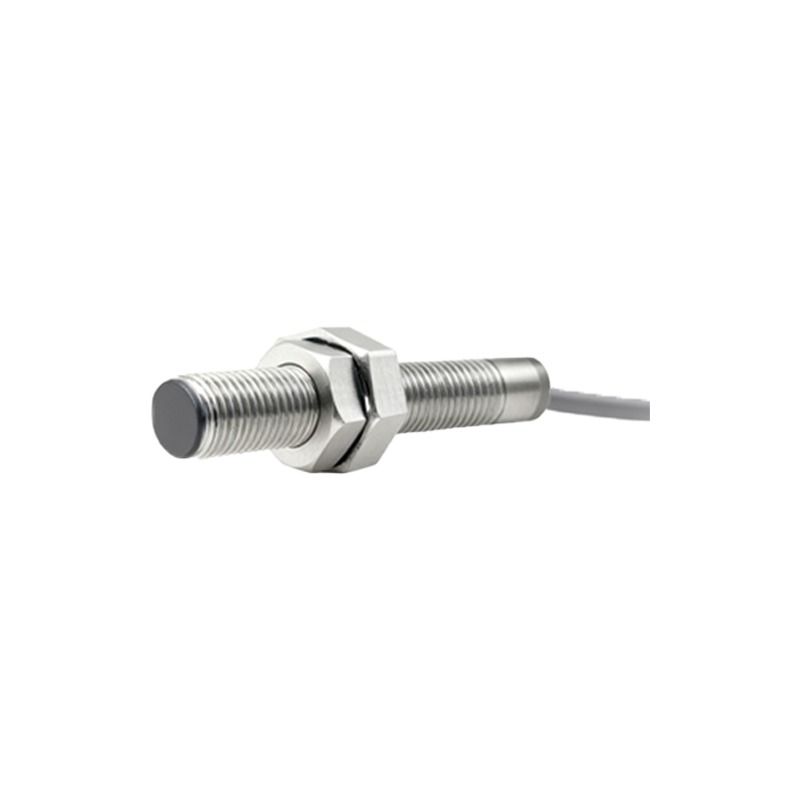
In conclusion, Fideco proximity sensors represent a blend of innovation, durability, and adaptability, making them a trusted choice in industrial automation. By leveraging their advanced features, industries can achieve higher productivity, improved safety, and enhanced operational control. As technology evolves, Fideco continues to refine its offerings, ensuring that its sensors meet the ever-changing demands of modern engineering landscapes.