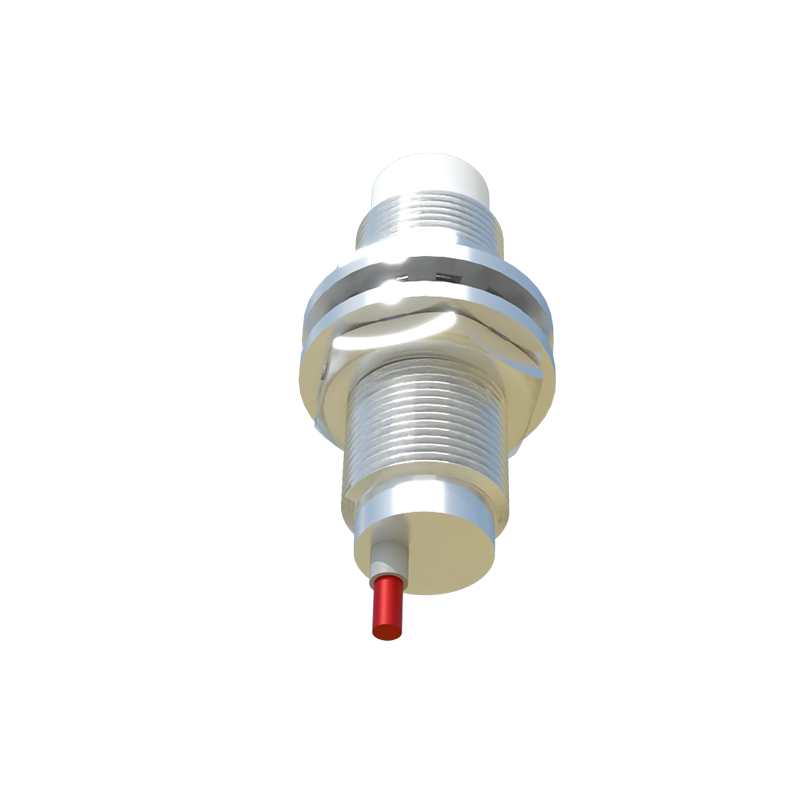
Reversing proximity sensors, also known as bidirectional or reversible proximity sensors, are specialized devices designed to detect the direction of movement or rotation of metallic objects in industrial environments. Unlike standard proximity sensors that simply detect presence or absence, these sensors provide critical directional data, making them indispensable in automation systems where motion control and safety are paramount.
The core principle behind reversing proximity sensors lies in their ability to differentiate between clockwise and counterclockwise rotation or forward and reverse linear motion. This is typically achieved through the use of dual sensing elements arranged in a specific geometric pattern. As a metallic target, such as a gear tooth or a flange on a rotating shaft, passes by the sensor face, it sequentially triggers these elements. The order in which the elements are activated, combined with precise timing analysis, allows the sensor's integrated electronics or connected programmable logic controller (PLC) to determine the exact direction of movement. Common technologies employed include inductive, capacitive, and magnetic sensing, with inductive types being most prevalent for detecting ferrous metals in machinery.
A primary application is in motor and conveyor systems. On a conveyor line transporting pallets, a reversing sensor can detect if a pallet is moving in the correct direction or has inadvertently reversed, potentially preventing jams or collisions. In motor-driven applications, such as hoists or winches, these sensors monitor the direction of the output shaft, providing essential feedback for control systems and ensuring safe lifting and lowering operations. They are also crucial in automated guided vehicles (AGVs) for verifying travel direction and in packaging machinery to confirm the proper orientation of components.
The benefits of implementing reversing proximity sensors are substantial. They enhance operational safety by providing immediate feedback on unintended reverse motion, which could indicate a mechanical failure like a broken chain or a slipping drive belt. This allows for automatic system shutdown before damage or injury occurs. Furthermore, they contribute to process accuracy and reliability. In indexing tables or rotary actuators, knowing the exact direction ensures precise positioning. Their solid-state design, with no moving mechanical parts, offers high durability, long service life, and resistance to vibration and contamination, making them suitable for harsh industrial settings.
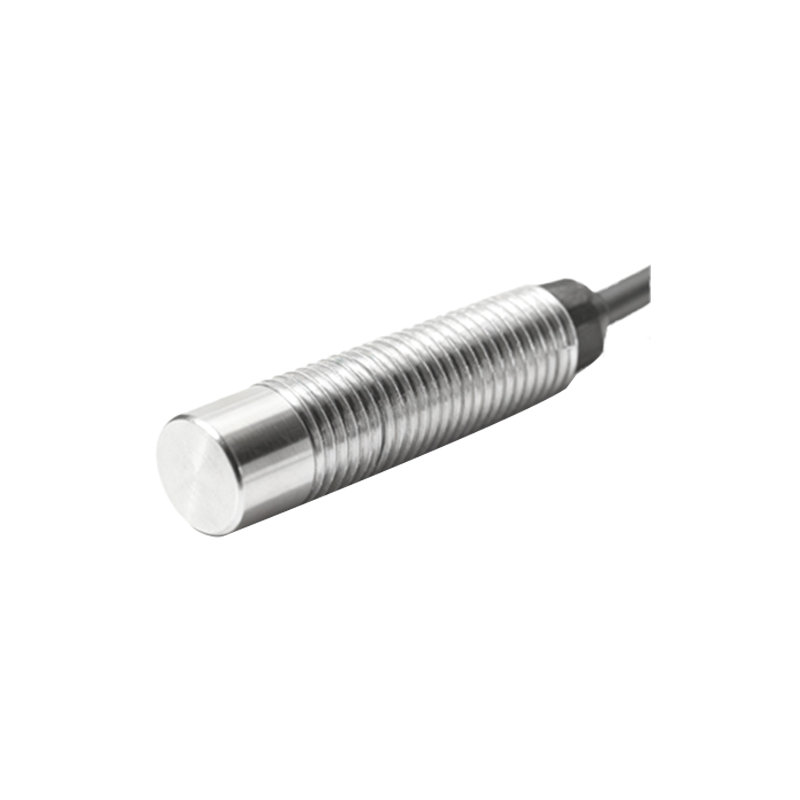
When selecting a reversing proximity sensor for a project, engineers must consider several key parameters. Sensing range, the distance at which the target can be reliably detected, must be appropriate for the application. The sensor's switching frequency, or its ability to detect rapidly passing targets, must match the speed of the machinery. Environmental factors are critical; sensors are available with various ingress protection (IP) ratings for dust and water resistance, and specific housing materials (e.g., stainless steel) for corrosive or washdown environments. Output type is another vital choice: PNP (sourcing) or NPN (sinking) transistor outputs are common for direct PLC integration, while some models offer analog or IO-Link outputs for advanced diagnostics and parameterization. Proper mounting and alignment relative to the target are essential for optimal performance, as even slight deviations can affect direction-sensing accuracy.
Installation and maintenance follow best practices for industrial sensors. Ensuring a stable power supply within the sensor's specified voltage range is fundamental. Electrical noise from motors or variable frequency drives (VFDs) can interfere with sensor operation, so using shielded cables and proper grounding is often necessary. Regular maintenance involves checking the sensor face for buildup of metal chips, dirt, or coolant that could dampen the sensing field, and verifying the tightness of mounting hardware. Many modern sensors feature built-in diagnostic LEDs that indicate power status and output switching, aiding in troubleshooting.
In conclusion, reversing proximity sensors are a sophisticated yet robust solution for adding a layer of intelligent directional awareness to automated systems. By accurately discerning motion direction, they play a vital role in enhancing safety, preventing costly downtime, and ensuring the precise and reliable operation of modern industrial machinery. Their integration is a key consideration in the design of advanced motion control and safety monitoring systems.