In the realm of industrial automation and precision engineering, glass laser positioning sensors have emerged as a critical technology for achieving high-accuracy measurements and control. These sensors utilize laser beams to detect the position, displacement, or presence of glass materials, offering unparalleled precision in applications ranging from manufacturing to quality inspection. The core principle involves emitting a focused laser onto a glass surface and analyzing the reflected light to determine exact positional data. This non-contact method ensures minimal interference with delicate materials, making it ideal for handling fragile glass components in sectors like electronics, automotive, and aerospace.
One of the key advantages of glass laser positioning sensors is their ability to operate in challenging environments. Unlike traditional mechanical sensors, they are resistant to dust, moisture, and temperature fluctuations, which can compromise accuracy in industrial settings. For instance, in glass cutting or etching processes, these sensors provide real-time feedback to machinery, enabling micron-level adjustments that reduce waste and enhance product consistency. Additionally, their high-speed response capabilities allow for seamless integration into automated production lines, where rapid detection and positioning are essential for maintaining throughput and efficiency.
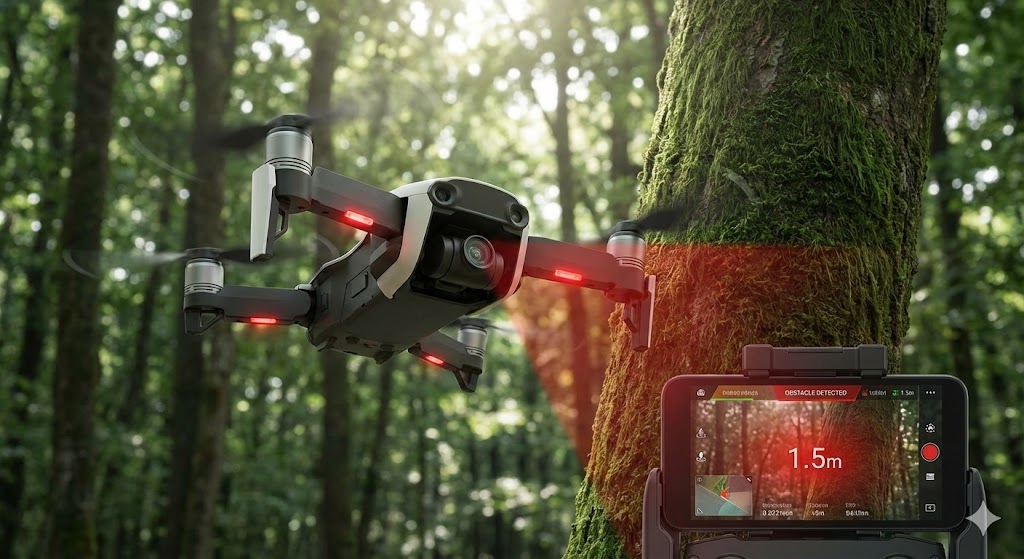
The technology behind these sensors often incorporates advanced features such as triangulation, time-of-flight measurements, or confocal imaging. Triangulation-based sensors, for example, use geometric calculations to pinpoint the location of a glass object by measuring the angle of the reflected laser beam. This method is particularly effective for transparent or semi-transparent materials, where light refraction can pose challenges. Time-of-flight sensors, on the other hand, calculate distance based on the time it takes for a laser pulse to return, offering robust performance for thicker glass panels. These innovations have expanded the applicability of glass laser positioning sensors beyond simple detection to complex tasks like 3D profiling and surface inspection.
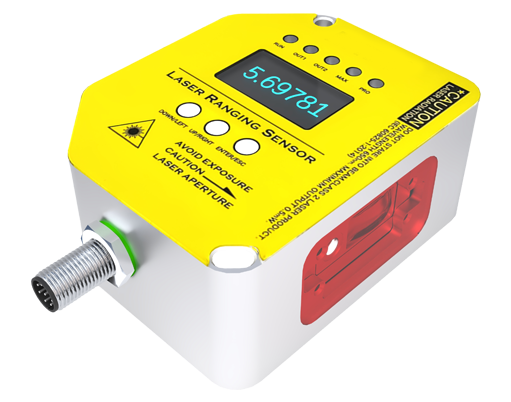
In practical applications, glass laser positioning sensors play a vital role in industries that demand stringent quality standards. In the automotive sector, they are used to align windshields and windows during assembly, ensuring proper fit and safety. In electronics manufacturing, sensors guide the placement of glass substrates in displays or touchscreens, where even minor misalignments can lead to defects. The medical device industry also relies on these sensors for positioning glass components in instruments like microscopes or diagnostic equipment, where precision is paramount for accuracy and reliability.
Despite their benefits, implementing glass laser positioning sensors requires careful consideration of factors such as calibration, environmental conditions, and material properties. For optimal performance, engineers must account for variables like glass thickness, transparency, and surface coatings, which can affect laser reflection and absorption. Regular maintenance and calibration are necessary to sustain accuracy over time, especially in high-volume production environments. Moreover, integrating these sensors with control systems and software platforms enables data logging and analysis, facilitating predictive maintenance and process optimization.
Looking ahead, advancements in laser technology and artificial intelligence are set to enhance the capabilities of glass laser positioning sensors. Machine learning algorithms can improve error correction and adaptive control, while miniaturization trends may lead to more compact and cost-effective sensor designs. As industries continue to prioritize automation and precision, these sensors will likely become even more integral to smart manufacturing initiatives, driving innovations in glass processing and beyond.

In summary, glass laser positioning sensors represent a fusion of optical engineering and industrial automation, offering a reliable solution for precise measurement and control. Their non-contact nature, environmental resilience, and versatility make them indispensable in modern manufacturing, where accuracy and efficiency are key to competitiveness. By understanding their principles and applications, engineers can leverage these sensors to optimize processes, reduce errors, and push the boundaries of technological innovation in glass-related industries.